
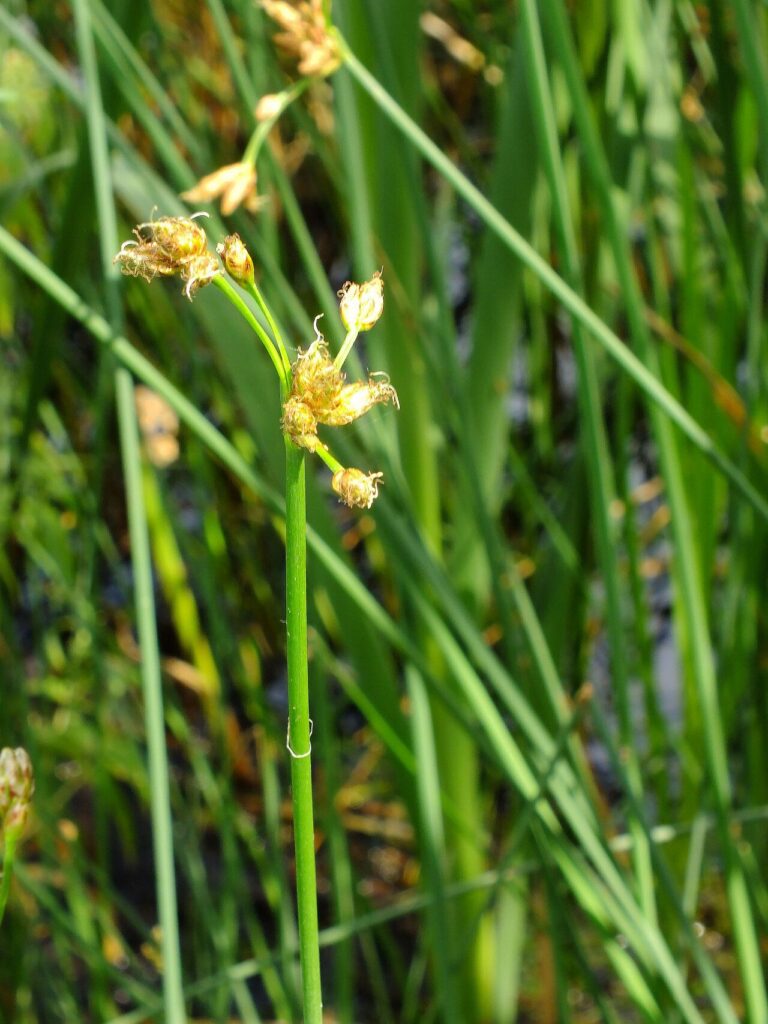
Propagating Schoenoplectus lacustris: The Challenges and Rewards of Growing Soft Rush
Introduction
Schoenoplectus lacustris, commonly known as soft rush, is a robust, aquatic perennial prized for its tall, elegant stems and adaptability to various water conditions. Its graceful presence makes it a popular choice among water gardeners, offering texture and height to ponds and bog gardens. While relatively easy to establish once planted, propagating Schoenoplectus lacustris presents unique challenges depending on the chosen method. Its success often hinges on understanding its specific needs and adapting techniques accordingly. The unique aspect relevant to its propagation is the plant’s strong rhizomatous growth, which is a key factor in its vegetative propagation methods.
Seed Germination:
Currently, there are no known reliable methods for seed germination propagation of Schoenoplectus lacustris. While the plant does produce seeds, its germination rate is notoriously low, and achieving successful germination under cultivated conditions remains largely undocumented. Further research into specific germination requirements (e.g., light, temperature, and substrate conditions) may be needed to unlock this propagation pathway.
Cuttings:
Cuttings offer a relatively straightforward method for propagating soft rush.
Challenges: Success depends heavily on the timing and selection of cuttings. Using basal stem cuttings from healthy, actively growing plants is crucial.
Practical Tips: Take cuttings approximately 10-15 cm long in spring or early summer. Plant these directly into moist soil or submerged in shallow water, ensuring at least one node is below the surface to encourage root development. High humidity and consistent moisture are essential for successful rooting.
Rewards: This method is relatively quick, providing new plants within a few weeks to months. It maintains the genetic characteristics of the parent plant.
Division:
Division is the most common and reliable method for propagating Schoenoplectus lacustris.
Challenges: Rhizomes can be somewhat fragile, requiring careful handling to avoid damage. Overcrowding can hinder growth, necessitating regular division.
Practical Tips: Divide established clumps in spring or autumn. Use a sharp spade or knife to separate the rhizomes, ensuring each division has multiple healthy shoots and substantial root material. Replant immediately in appropriate moist soil or shallow water.
Rewards: This method is simple, highly successful, and allows for rapid increase in plant numbers. It’s ideal for both small-scale and large-scale propagation.
Tissue Culture:
Tissue culture propagation is less commonly used for Schoenoplectus lacustris.
Challenges: Establishing a sterile culture and optimizing growth media for this species requires specialized knowledge and laboratory facilities. It’s a more complex and costly method than vegetative propagation.
Practical Tips: Sterile techniques are paramount to prevent contamination. Appropriate nutrient media tailored to the specific needs of Schoenoplectus lacustris must be formulated. Experienced laboratory personnel are necessary.
Rewards: Tissue culture offers the potential for mass propagation of disease-free plants and the preservation of rare or desirable genotypes.
Conclusion:
Propagating Schoenoplectus lacustris presents a unique set of challenges, with division proving the most reliable and practical method for the average gardener. While seed propagation remains largely unexplored and tissue culture requires specialized resources, the relative ease of stem cuttings and division offers satisfying rewards. The act of nurturing these cuttings or divisions from a small piece of rhizome into a thriving plant provides a unique satisfaction – a testament to the resilience and adaptability of this beautiful aquatic species. Aspiring propagators should start with division, focusing on providing optimal conditions for root and shoot development. With patience and attention to detail, the beauty of soft rush can be successfully multiplied, enhancing any water garden.