
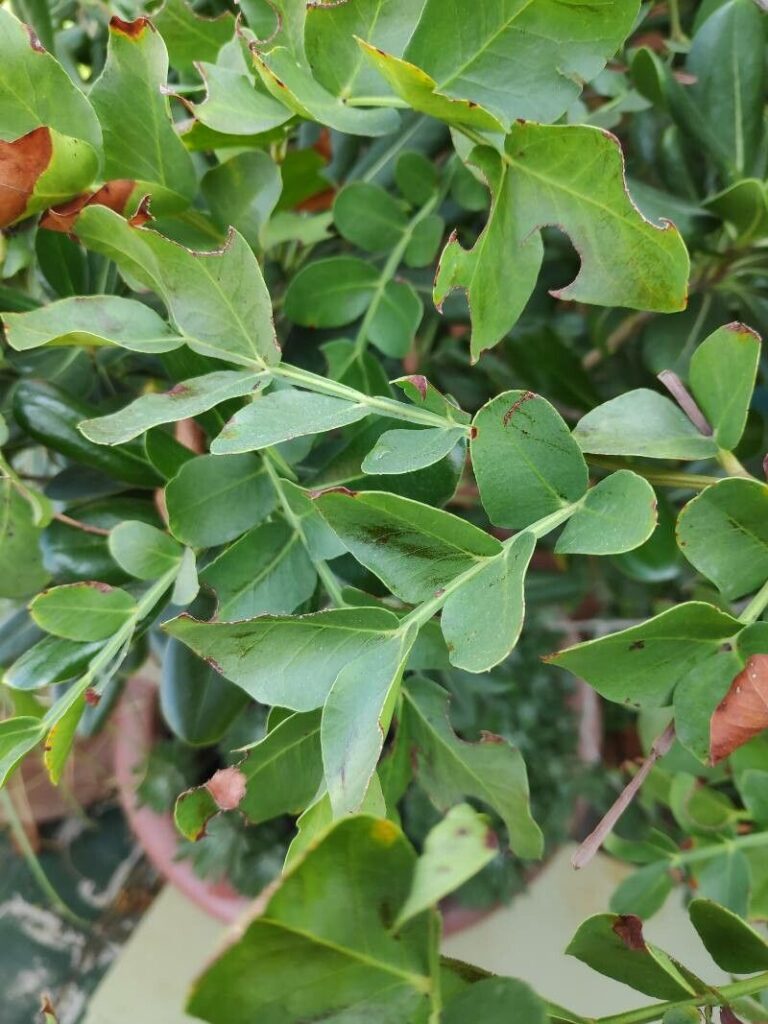
Propagating the Weeping Boer-bean: A Guide to Cultivating Schotia capitata
Introduction:
Schotia capitata, commonly known as the Weeping Boer-bean, is a captivating tree prized for its vibrant red, pea-like flowers that bloom profusely in late summer. Native to southern Africa, this medium-sized tree boasts a graceful, weeping habit and attractive foliage, making it a highly sought-after ornamental in warmer climates. Furthermore, its striking flowers attract nectar-feeding birds, adding to its horticultural appeal. However, propagating Schotia capitata can present unique challenges, making successful cultivation a rewarding endeavor for dedicated gardeners.
Seed Germination:
Seed germination is a viable, albeit sometimes challenging, method for propagating Schotia capitata. The main hurdle lies in the hard seed coat, which inhibits water absorption and germination.
Challenges: Hard seed coat hindering germination.
Practical Tips: Scarification is crucial. This involves nicking or filing the seed coat to allow water penetration. Soaking the seeds in warm water for 24-48 hours prior to sowing can further aid germination. Seeds should be sown in a well-draining seed-starting mix, kept moist but not waterlogged, and placed in a warm, sunny location.
Rewards: Seed propagation offers the advantage of high genetic diversity, creating opportunities for developing new cultivars with potentially enhanced characteristics. It’s also a relatively cost-effective method, allowing for large-scale propagation.
Cuttings:
Currently, there are no known reliable methods for propagating Schotia capitata from cuttings. While some experimentation might be undertaken, success rates are exceptionally low, likely due to the plant’s physiological characteristics.
Division:
Division is not a practical method for propagating Schotia capitata, as it is a tree and not a plant that readily produces offsets or easily divides.
Tissue Culture:
Tissue culture offers a potential, albeit specialized and technically demanding, approach to propagating Schotia capitata.
Challenges: Establishing aseptic conditions, selecting appropriate growth media, and maintaining optimal hormonal balance are critical aspects of successful tissue culture. This method requires specialized equipment and expertise.
Practical Tips: This method requires specialized knowledge and facilities, and is generally best left to nurseries or research institutions with experience in plant tissue culture.
Rewards: Tissue culture allows for the rapid multiplication of superior genotypes, enabling large-scale production of genetically uniform plants free from diseases.
Conclusion:
Propagating Schotia capitata presents a spectrum of challenges, from overcoming seed dormancy to mastering the intricacies of tissue culture. While seed germination offers a relatively accessible route to propagation, providing genetic variability, success hinges on overcoming the hard seed coat barrier. Cuttings and division are not practical methods. Tissue culture remains a viable but technically complex option best suited to professional nurseries. The reward, however, is tremendous. Successfully nurturing a Weeping Boer-bean from seed or through tissue culture offers a unique sense of accomplishment, a testament to patience and horticultural skill. For those willing to embrace the challenge, the beauty and elegance of this remarkable tree are well worth the effort. Don’t be discouraged by initial setbacks – persistence and careful attention to detail are key to successfully propagating this captivating species.