
Multiply Your Bluebells: Propagating Scilla Forbesii for a Breathtaking Spring Garden
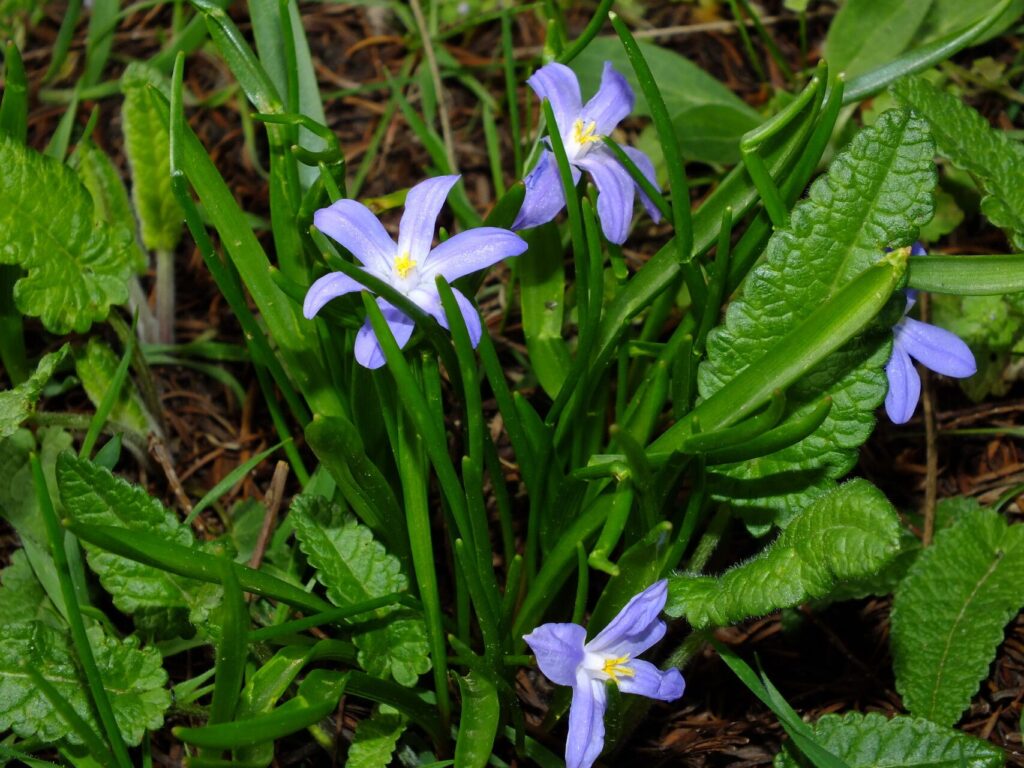
Scilla forbesii, better known as Forbes’ glory-of-the-snow or early squill, heralds the arrival of spring with a breathtaking display of vibrant blue, star-shaped blooms. This low-maintenance bulbous perennial, native to western Turkey, adds a touch of magic to rock gardens, borders, and woodland settings. While enjoying their fleeting beauty is a reward in itself, have you ever considered multiplying these enchanting flowers to paint your garden with even more blue hues? Propagating Scilla forbesii is a surprisingly simple process, achievable through two primary methods: bulb offsets and seeds.
Bulb Offsets: The Easy Route to Expansion
The most straightforward and efficient way to propagate Scilla forbesii is through bulb offsets, also known as bulblets. These miniature bulbs develop naturally around the parent bulb, drawing energy and nutrients to eventually form their own flowering plants.
Here’s how to propagate using bulb offsets:
- Timing is Key: The ideal time to lift and divide the bulbs is in late summer or early fall, after the foliage has died back naturally. This allows the bulbs ample time to establish themselves before winter.
- Gentle Excavation: Carefully dig around the clump of Scilla forbesii, ensuring you don’t damage the bulbs.
- Separate with Care: Gently tease apart the offsets from the parent bulb. Larger offsets will yield flowers sooner.
- Replanting: Choose a well-drained location with partial to full sun exposure. Plant the offsets 2-3 inches deep and 4-6 inches apart, pointed end facing upwards.
- Water and Wait: Water the newly planted offsets thoroughly and then allow nature to take its course. You’ll be greeted with a vibrant display of blue blooms the following spring.
Seeds: Embracing a More Patient Approach
While propagating through offsets provides quicker results, growing Scilla forbesii from seeds offers a sense of accomplishment and the potential for a larger quantity of plants.
Here’s how to propagate using seeds:
- Collect Seed Pods: As the flowers fade in late spring, small seed pods will develop. Allow these pods to dry completely on the plant before collecting them.
- Seed Extraction: Gently break open the dried pods to reveal the small, black seeds within.
- Sowing Time: Sow the seeds directly outdoors in late summer or early fall. Choose a well-prepared seedbed with loose, fertile soil.
- Shallow Planting: Scatter the seeds thinly across the surface of the soil and lightly rake them in, ensuring they are covered with no more than 1/4 inch of soil.
- Patience is a Virtue: Germination can be slow and sporadic, sometimes taking several months. Keep the soil consistently moist but not waterlogged.
- Transplanting: Once the seedlings have developed a few true leaves, they can be carefully transplanted to their permanent locations in the garden.
Final Thoughts
Whether you choose to propagate Scilla forbesii through the ease of bulb offsets or the rewarding journey of seed starting, you’ll be multiplying a charming and resilient flower that brings joy year after year. So, go ahead, embrace the wonders of propagation and let these delightful blue blossoms illuminate your spring garden for many seasons to come.