
Unleash the Beauty: Propagating the Exquisite Scilla kladnii
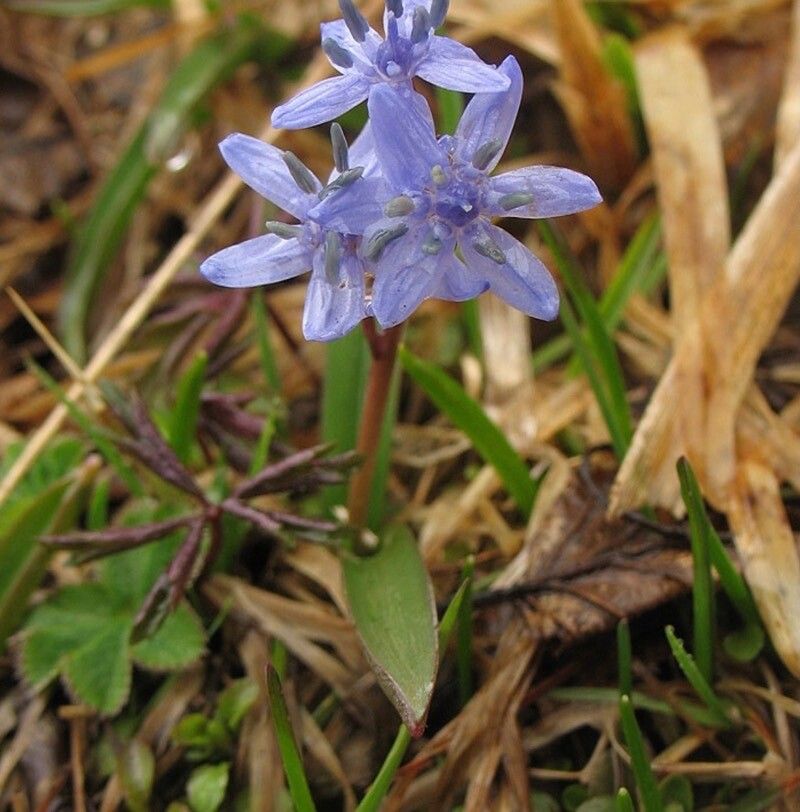
The Scilla kladnii, with its mesmerizing cerulean blue blooms, is a captivating sight to behold. This petite bulbous perennial hails from the Balkans and adds a touch of whimsy to any garden. But what if you could multiply this enchanting flower and share its charm with others?
The good news is, propagating Scilla kladnii is a relatively simple process, accessible even for novice gardeners. Here’s a detailed guide to help you unleash the beauty of this captivating species:
1. Divide and Conquer: The Power of Bulb Division
Scilla kladnii bulbs naturally multiply over time, creating clusters of blooms. This is your key to propagation. In late summer or early fall, after the foliage has died back, carefully dig up the clumps.
- Gentle Hands: Use a trowel or garden fork to gently loosen the soil around the bulbs.
- Separate the Clusters: Carefully separate the bulbs, ensuring each has a healthy root system and a few leaves attached.
2. Planting the New Bulbs:
- Space Carefully: Plant the newly separated bulbs about 2-3 inches deep and 3 inches apart. This spacing allows ample room for growth and prevents overcrowding.
- Optimal Soil: Scilla kladnii thrives in well-drained, slightly acidic soil. Adding a layer of compost to your planting bed enriches the soil and promotes healthy growth.
- Placement Matters: Choose a location that receives partial shade or full sun, mimicking the plant’s natural environment. Avoid areas with extreme heat or prolonged dryness.
3. Seed Propagation: A Journey of Patience
While bulb division is the fastest method, propagating Scilla kladnii from seeds is also possible, though it requires more patience.
- Harvesting Seeds: After flowering, the flowers produce seed pods that contain small black seeds. Collect these pods and allow them to dry completely.
- Sowing Seeds: Once dried, extract the seeds and sow them directly into a seed tray filled with a mixture of potting soil and perlite.
- Moisture and Light: Maintain consistent moisture levels and provide a well-lit environment. Germination may take several weeks or even months.
4. Patience Pays Off: Care and Growth
- Water Wisely: Keep the soil consistently moist, especially during the initial stages of growth. Allow the soil to dry slightly between waterings.
- Feed Moderately: Scilla kladnii is a low-maintenance plant and doesn’t require heavy fertilization. A light application of balanced fertilizer in spring can boost its growth.
- Winter Protection: In colder climates, providing a layer of mulch over the planting bed during winter protects the bulbs from freezing temperatures.
5. Sharing the Joy:
Once the bulbs are established, they’ll start to multiply again, allowing you to repeat the process and share the beauty of your Scilla kladnii with fellow gardeners.
Conclusion:
Propagating Scilla kladnii is a rewarding endeavor. Whether you opt for the quick and easy method of bulb division or embrace the patience-testing process of seed propagation, you’ll be rewarded with a magnificent display of blue blooms that will grace your garden for years to come. So, get your hands dirty, and unleash the captivating charm of this mesmerizing species.