
Tiny but Mighty: Propagating the Delicate Beauty of Scilla Nana
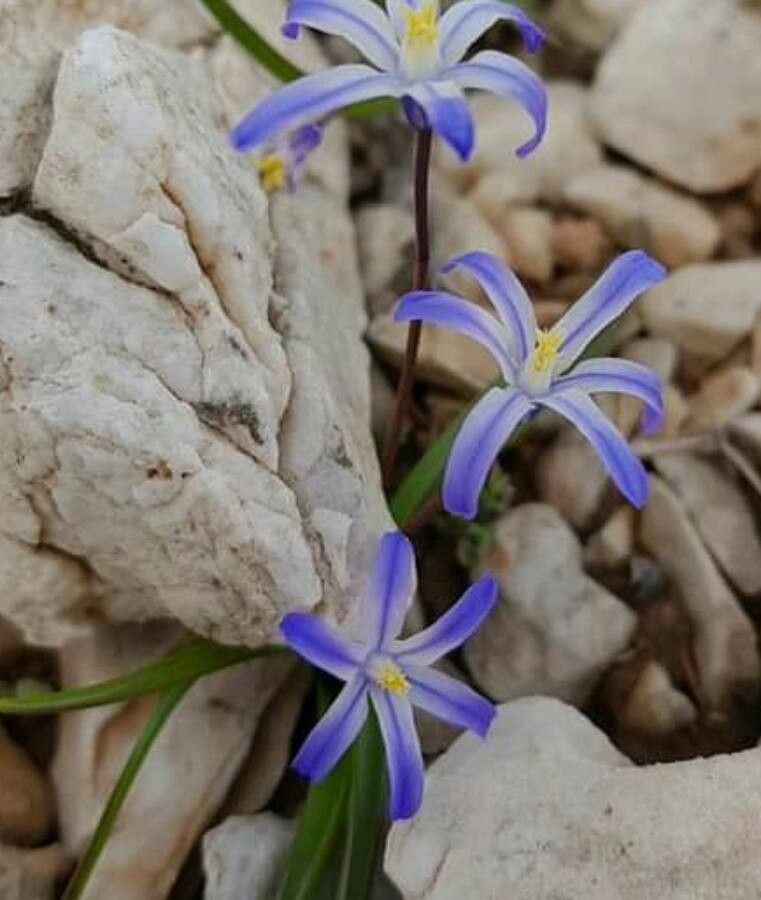
Want to add a splash of early spring color to your garden, but don’t want to spend a fortune on bulbs? Look no further than Scilla nana, a charming miniature bulb that packs a powerful punch of vibrant blooms. While these tiny blue beauties are readily available at garden centers, you can easily boost your collection and share their charm with friends by learning the art of propagation.
Scilla nana, also known as the “dwarf squill,” is a delightful member of the Hyacinthaceae family. Its small size, typically reaching just 2-4 inches tall, makes it a perfect addition to rock gardens, borders, or even containers. And while the delicate blue flowers may appear fleeting, their abundant nature and ability to naturalize make them a reliable source of early spring cheer.
So, how exactly can you multiply your Scilla nana stash? Here are the two most common methods:
1. Division:
- Timing is key: The best time to divide Scilla nana is after flowering, either in late spring or early summer, when the leaves have started to die back.
- Gentle excavation: Carefully dig up the clump of bulbs, being mindful not to damage the delicate roots.
- Careful separation: Use your fingers or a small trowel to gently separate the bulbs, ensuring each division has a few healthy bulbs and roots attached.
- Replanting: Plant the newly divided bulbs in a well-prepared bed with good drainage, spacing them 2-3 inches apart. Water thoroughly and keep the soil moist until new growth appears.
2. Seed Propagation:
- Embrace patience: While division allows for quicker results, propagating Scilla nana from seed requires a touch more patience. The tiny seeds typically mature in late spring or early summer and require a period of cold stratification to germinate.
- Collect and store: Once the seed pods have dried and turned brown, collect the seeds and store them in a cool, dark location for a few months.
- Sowing: Sow the seeds in a well-drained seed tray filled with a seed-starting mix. Cover the seeds with a thin layer of compost and keep the mix moist, but not waterlogged.
- Stratification: Place the tray in a cool, frost-free location for 8-12 weeks. This simulates winter conditions and triggers germination.
- Germination: After the chilling period, bring the tray into a bright, indirect light location. Keep the soil moist and watch for tiny sprouts to emerge.
Tips for Success:
- Choose a suitable location: Scilla nana thrives in well-drained soil that receives dappled sunlight or partial shade. Avoid hot, dry locations.
- Water wisely: Water regularly during the growing season, especially if the weather is dry, but avoid overwatering as it can lead to rot.
- Fertilize with caution: A light application of compost or a balanced liquid fertilizer in spring can benefit the blooms but avoid over-fertilizing.
- Manage pests and diseases: Scilla nana is generally pest and disease-resistant, but keep an eye out for slugs and snails, which can damage the foliage.
With a bit of care and patience, propagating Scilla nana allows you to enjoy an abundance of these charming bulbs year after year. Their delicate beauty and ability to naturalize will bring vibrant splashes of color to your spring garden, reminding you that even the smallest blooms can hold a powerful presence. So why not give it a try? You might just discover a newfound love for these tiny, yet remarkable, blue beauties.