
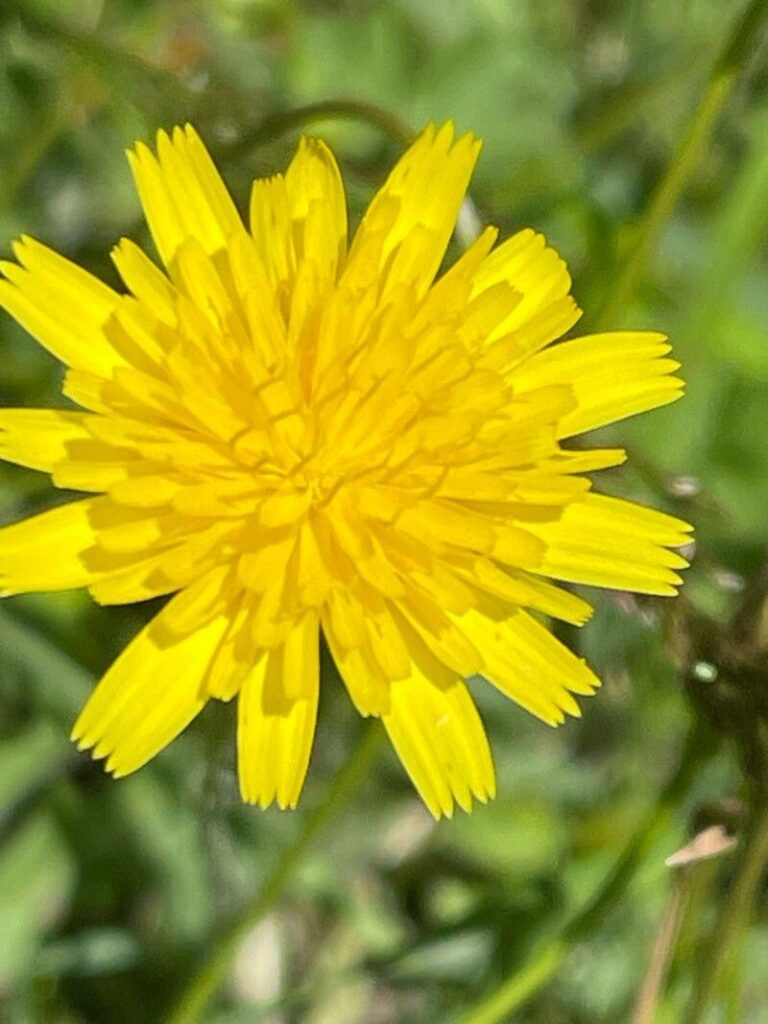
From Seed to Bloom: A Guide to Propagating Autumn Hawkweed (Scorzoneroides autumnalis)
Autumn hawkweed, with its bright yellow blooms and distinctive dandelion-like appearance, is a familiar sight in gardens and lawns across the globe. While some consider it a pesky weed, others appreciate its cheerful presence and vibrant colors. For those who wish to cultivate this fascinating plant, propagation is a key step.
But don’t be intimidated – propagating autumn hawkweed is surprisingly easy, offering a rewarding experience for beginner and experienced gardeners alike. Let’s explore the ins and outs of cultivating this tenacious wildflower!
Seed Propagation: The Simple & Direct Route
Autumn hawkweed’s most straightforward propagation method is through seeds. Here’s a breakdown:
-
Seed Collection: Look for mature seed heads that have turned a fluffy brown. You can gently pluck them off the plant or allow them to naturally disperse their seeds.
-
Seed Storage: Store seeds in a cool, dry place. They retain viability for several years.
- Sowing Outdoors: Autumn hawkweed thrives in sunny or partially shaded locations in well-drained soil. Sow seeds directly in the ground in late spring or early summer.
- Thinning: If overcrowding occurs, thin seedlings to allow for proper growth.
Note: While seed propagation is simple, it’s important to remember that autumn hawkweed can be quite aggressive, readily self-seeding and potentially spreading beyond desired areas. This is something to consider if you’re concerned about invasive tendencies.
Vegetative Propagation: A Faster Option
For those seeking a faster route, vegetative propagation offers an alternative. This method relies on the plant’s natural ability to grow new plants from its roots or stems.
1. Division: Autumn hawkweed readily forms clumps. In spring or autumn, carefully divide these clumps.
- Tools: You’ll need a sharp garden trowel or knife to separate the roots and stems.
- Repotting: Replant the divisions in separate containers or directly into the ground, ensuring sufficient space for their growth.
2. Cuttings: This method involves taking stem cuttings from the plant.
- Timing: Spring or early summer is ideal for taking cuttings. Choose healthy, non-flowering stems.
- Cutting Technique: Cut stem sections about 4-6 inches long, ensuring each cutting has at least 2-3 sets of leaves.
- Rooting: Place cuttings in a moist rooting medium (like peat moss or a mixture of peat moss and perlite) and keep them consistently humid with occasional misting. Once roots develop (typically within a few weeks), you can transplant them to their permanent location.
Tips for Success
- Timing is Key: Spring and early summer are generally the best times for planting or propagating autumn hawkweed.
- Soil Type: Choose well-drained soil that allows for proper drainage, preventing root rot.
- Water Consistency: Keep soil consistently moist, but avoid overwatering.
- Sunlight: Provide adequate sunlight for optimal growth, though it can tolerate some shade.
From Seeds to Gardens:
Understanding the different propagation methods provides you with the knowledge to cultivate this unique plant, whether you seek to control its growth or enjoy its vibrant colors in your garden. By following these tips and techniques, you can ensure a flourishing display of Autumn Hawkweed, adding a touch of wild beauty to your landscape.