
Conquering the Crags: Propagating the Alpine Figwort (Scrophularia alpestris)
The Alpine Figwort (Scrophularia alpestris), despite its name, isn’t a fig at all, but rather a captivating little plant native to the mountainous regions of Europe. This charming perennial, with its delicate, maroon-tinged flowers and love for rocky terrains, can bring a touch of alpine beauty to gardens far and wide. But how do you go about propagating this mountain marvel? Let’s delve into the intricacies of cultivating Scrophularia alpestris, exploring the most effective methods for successful propagation.
Seed Starting: A Journey from Tiny Specks to Alpine Treasures
-
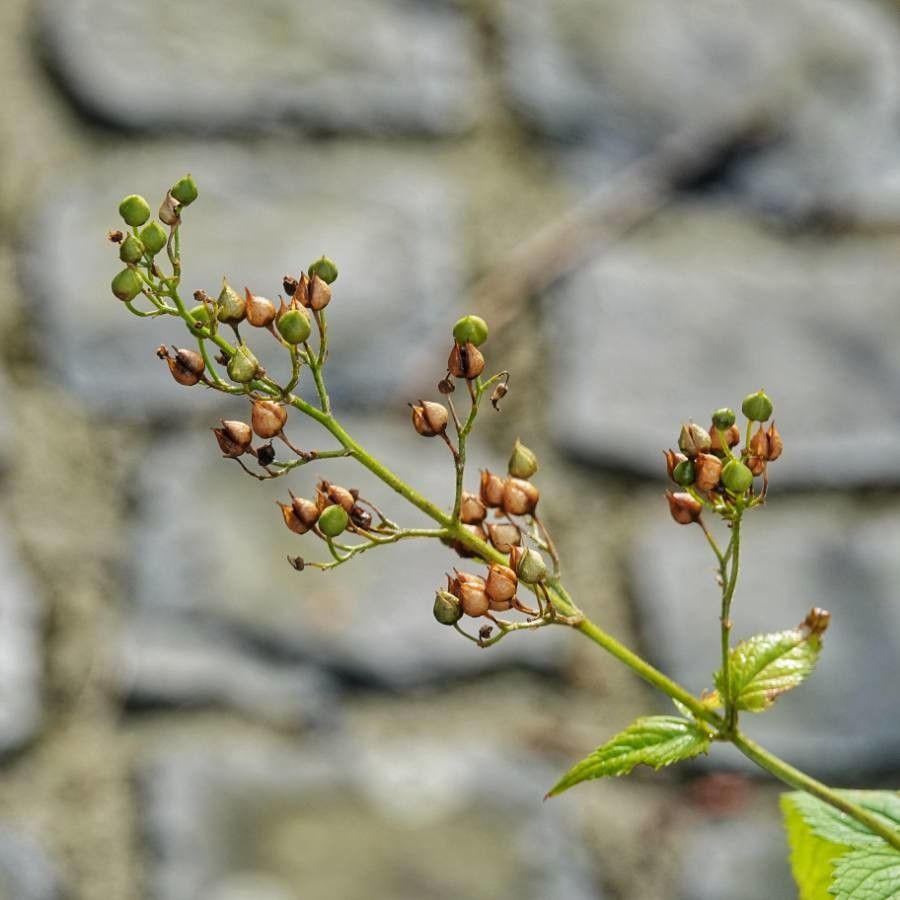
Harvesting Hope: Seed Collection – The adventure begins with collecting ripe seeds from existing Scrophularia alpestris plants in late summer or early fall. Look for the small, brown capsules that develop after the flowers fade. Carefully gather these capsules and store them in a cool, dry place until ready for sowing.
-
Sowing the Seeds of Success: For optimal germination, sow the seeds in late winter or early spring. Use a well-draining seed starting mix and lightly press the seeds onto the surface, barely covering them with a fine layer of vermiculite or soil.
-
Patience is a Virtue: Germination Time – Place the seed tray in a bright location, out of direct sunlight, and maintain a consistent temperature of around 65-70°F (18-21°C). Germination typically takes 2-4 weeks, so a healthy dose of patience is essential.
- From Seedlings to Sturdiness: Once the seedlings emerge and have developed a couple of true leaves, it’s time to thin them out, leaving the strongest ones to flourish. Gradually acclimate them to outdoor conditions before transplanting them into their permanent homes in late spring or early summer.
Cuttings: Cloning Your Alpine Gems
-
Taking a Snippet of Success: In late spring or early summer, take stem cuttings from healthy, non-flowering shoots. Each cutting should be about 3-4 inches long and taken just below a leaf node.
-
Preparing for Propagation: Remove the lower leaves from the cutting and dip the end into rooting hormone powder to encourage root development.
-
Planting the Cuttings: Insert the cuttings into a pot filled with a well-draining rooting mix, such as a mixture of perlite and peat moss.
-
Creating a Humid Haven: Cover the pot with a plastic bag or humidity dome to create a warm, humid environment that promotes rooting. Ensure adequate ventilation to prevent fungal issues.
- Transplanting the Rooted Wonders: After 4-6 weeks, gently tug on the cuttings to check for root development. Once the roots have established, transplant the cuttings into individual pots or your desired outdoor location.
Division: Multiplying Your Alpine Delights
-
Dividing and Conquering: In early spring or fall, carefully dig up an established Scrophularia alpestris plant.
-
Separating with Care: Using clean, sharp tools, divide the plant into smaller sections, ensuring each division has a healthy amount of roots and shoots.
- Replanting for Success: Replant the divisions at the same depth they were previously growing and water them thoroughly.
Nurturing Your Alpine Figwort
Scrophularia alpestris thrives in well-drained soil and prefers a location with partial shade. Water regularly during the growing season, especially if the weather is dry. Deadhead spent flowers to encourage more blooms and maintain a tidy appearance.
By following these propagation methods and providing the right growing conditions, you can successfully cultivate and share the unique beauty of Scrophularia alpestris, bringing a touch of alpine charm to your garden haven.