
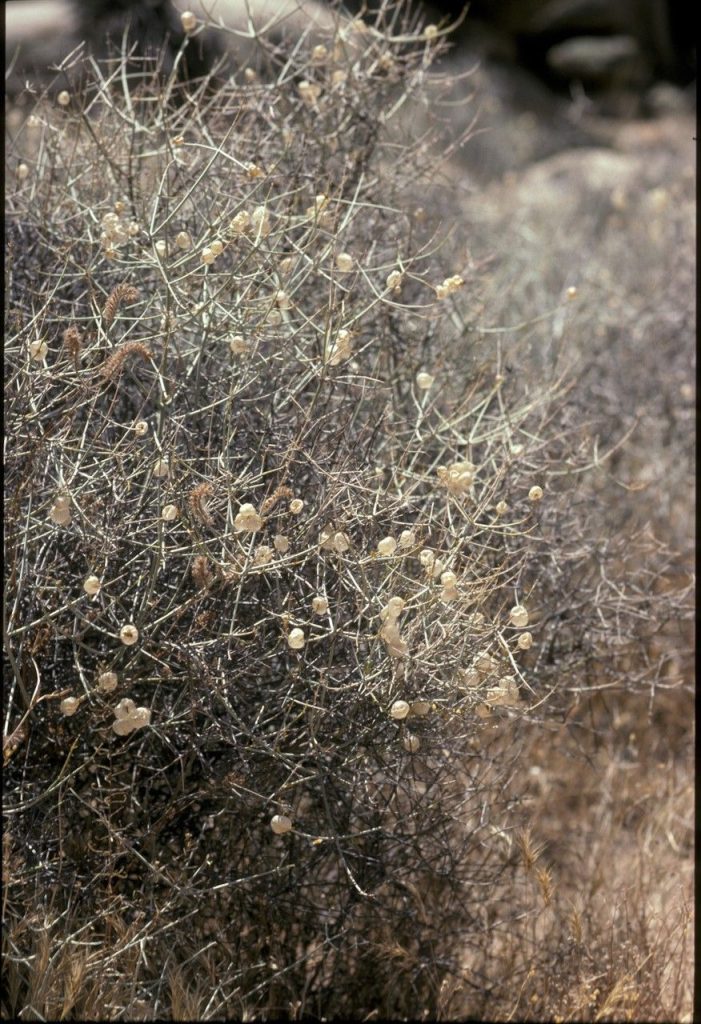
Propagating Scutellaria mexicana: A Gardener’s Guide to the Mexican Skullcap
Scutellaria mexicana, commonly known as Mexican skullcap, is a captivating herbaceous perennial prized for its vibrant blue or purple flowers and attractive foliage. Its relatively compact size and ease of care (once established) have made it a popular choice among gardeners seeking low-maintenance, yet visually striking additions to their landscapes. However, unlike some common garden plants, propagating Scutellaria mexicana presents unique challenges. This article explores different propagation methods, highlighting both their successes and difficulties.
Seed Germination:
Currently, there are no known reliable methods for seed germination propagation of Scutellaria mexicana. While the plant produces seeds, their germination rate is reportedly very low, and successful germination under controlled conditions hasn’t been widely documented. Further research is needed to determine if specific pre-treatments (such as scarification or stratification) might improve germination success. For now, relying on seed propagation is not recommended.
Cuttings:
Cuttings represent a more promising method for propagating Scutellaria mexicana.
Challenges: Root development can be slow and inconsistent. The success rate depends heavily on timing (taking cuttings during active growth), maintaining high humidity, and selecting healthy, non-flowering stems.
Practical Tips: Take semi-hardwood cuttings in late spring or early summer. Use a sharp, clean knife or shears to take 4-6 inch cuttings, removing lower leaves to prevent rot. Dip the cut ends in rooting hormone powder and plant them in a well-draining, moist propagation mix (e.g., perlite and peat moss). Maintain high humidity using a humidity dome or plastic bag. Keep the cuttings in bright, indirect light and avoid direct sunlight. Rooting typically takes several weeks.
Rewards: Cuttings offer a relatively simple method to produce genetically identical plants, ensuring the preservation of desirable characteristics. This is particularly valuable for cultivars with unique flower colors or compact growth habits.
Division:
Division is another viable, albeit less efficient, method for propagating Scutellaria mexicana.
Challenges: Scutellaria mexicana doesn’t readily produce numerous offsets that are easily separated. Careful handling is required to avoid damaging the roots and the plant itself. This method is best suited for established, mature plants.
Practical Tips: The best time to divide is in spring or early fall, during periods of active growth but before extreme temperatures. Gently dig up the plant, carefully separating the root ball into sections, each with several healthy stems and roots. Replant the divisions immediately, ensuring adequate spacing for optimal growth.
Rewards: Division provides a relatively straightforward method for multiplying existing plants without needing specialized equipment.
Tissue Culture:
Tissue culture offers the potential for large-scale propagation of Scutellaria mexicana.
Challenges: Tissue culture requires specialized equipment, sterile conditions, and expertise in plant tissue culture techniques. It’s a more complex and expensive method compared to cuttings or division. Developing optimal protocols for Scutellaria mexicana may also require experimentation.
Practical Tips: Aseptic techniques are crucial. Successful propagation would involve establishing aseptic cultures from leaf, stem, or meristem tissue, growing them on a suitable nutrient medium, and then transferring the plantlets to individual pots for further growth.
Rewards: Large numbers of genetically identical plants can be produced quickly and efficiently. This is ideal for commercial propagation or for conservation efforts involving rare cultivars.
Conclusion:
Propagating Scutellaria mexicana presents varying degrees of difficulty across different methods. While seed germination currently remains unreliable, cuttings and division provide viable options for home gardeners. Tissue culture offers potential for large-scale production but requires significant expertise and resources. The rewards – whether preserving a beloved cultivar through cuttings, enjoying the satisfaction of propagating from division, or achieving the efficiency of tissue culture – richly compensate for the challenges involved. The unique beauty of Scutellaria mexicana and the accomplishment of successfully propagating this plant makes the effort particularly worthwhile for the dedicated gardener. Don’t be discouraged by initial setbacks; persistence and experimenting with different techniques are key to successful propagation.