
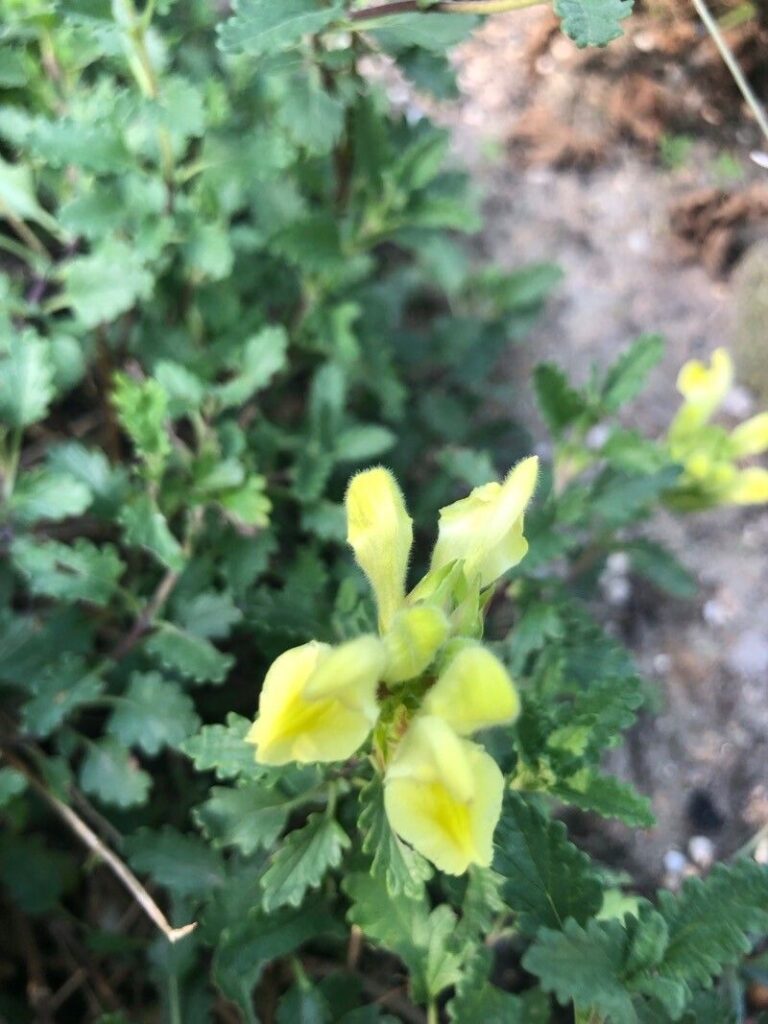
From Tiny Seed to Mountain Majesty: Propagating the Rare and Beautiful Scutellaria oreophila
The world of plants is full of fascinating and unique species, each with its own story to tell. One such beauty is Scutellaria oreophila, commonly known as the “Mountain Skullcap.” This delicate wildflower, native to the western United States, boasts stunning purple blooms that grace rocky mountain slopes and meadows. But beyond its captivating appearance, Scutellaria oreophila is a rare gem, making its propagation all the more crucial for conservation efforts.
If you’re a plant enthusiast with a green thumb and a passion for preserving nature’s wonders, propagating Scutellaria oreophila might just become your next exciting project. Here’s a comprehensive guide to help you navigate this exciting endeavor:
Understanding the Basics:
- Seed Propagation: This is the most common method for propagating Scutellaria oreophila, and it involves collecting mature seeds from the plant’s seed pods. These seeds require stratification, a process mimicking winter conditions to break dormancy. This can be achieved by storing them in a refrigerator for 6-8 weeks before sowing.
- Division: This method is best suited for established plants. You can carefully divide the root system, ensuring each portion has at least one healthy stem. Plant the divisions in well-draining soil and provide ample moisture to encourage root growth.
Step-by-Step Propagation Guide:
1. Gathering Seeds:
- Harvest mature seed pods from the plant after flowering.
- Allow the pods to dry thoroughly, then carefully extract the tiny seeds.
2. Stratification:
- Fill a seed starting tray with a seed-starting mix or a blend of peat moss and vermiculite.
- Moisten the mix, making sure it’s damp but not soggy.
- Spread the seeds evenly across the surface of the soil.
- Cover the seeds lightly with a fine layer of vermiculite or seed starting mix.
- Place the tray in a sealed plastic bag and store it in the refrigerator for 6-8 weeks.
3. Sowing the Seeds:
- After stratification, remove the tray from the refrigerator and gently pat the soil with a finger to ensure proper seed contact.
- Water the seeds well and place the tray in a bright, indirect light location.
- Keep the soil consistently moist, but avoid overwatering.
4. Transplanting Seedlings:
- Once the seedlings develop their first true leaves, gently transplant them into individual pots.
- Use a potting mix suitable for wildflowers or a well-draining blend of soil, compost, and perlite.
- Continue to water regularly and provide bright, indirect light.
5. Planting Outdoors:
- When the weather warms up, it’s time to gradually acclimate your seedlings to outdoor conditions.
- Choose a location that mimics their natural habitat: a well-drained, sunny spot with rocky or sandy soil.
- Plant the seedlings at the same depth they grew in the pots, spacing them about 12 inches apart.
- Water deeply after planting and continue to water regularly during the first year.
Care Tips:
- Scutellaria oreophila thrives in well-drained soil.
- Provide adequate sunlight, ideally 4-6 hours daily.
- Water regularly during the growing season, allowing the soil to dry slightly between waterings.
- Fertilize sparingly with a diluted balanced fertilizer.
- Protect the plants from frost during the first winter.
The Rewards of Propagation:
By propagating Scutellaria oreophila, you’re not just contributing to a beautiful collection of plants; you’re actively participating in the conservation of this unique species. Every successful propagation supports the continued existence of this rare wildflower, creating a ripple effect of ecological balance and beauty in our world. So, roll up your sleeves, embrace the challenge, and embark on this journey of botanical discovery!