
Taming the Dune: Propagating Searsia crenata for a Hardy and Beautiful Garden
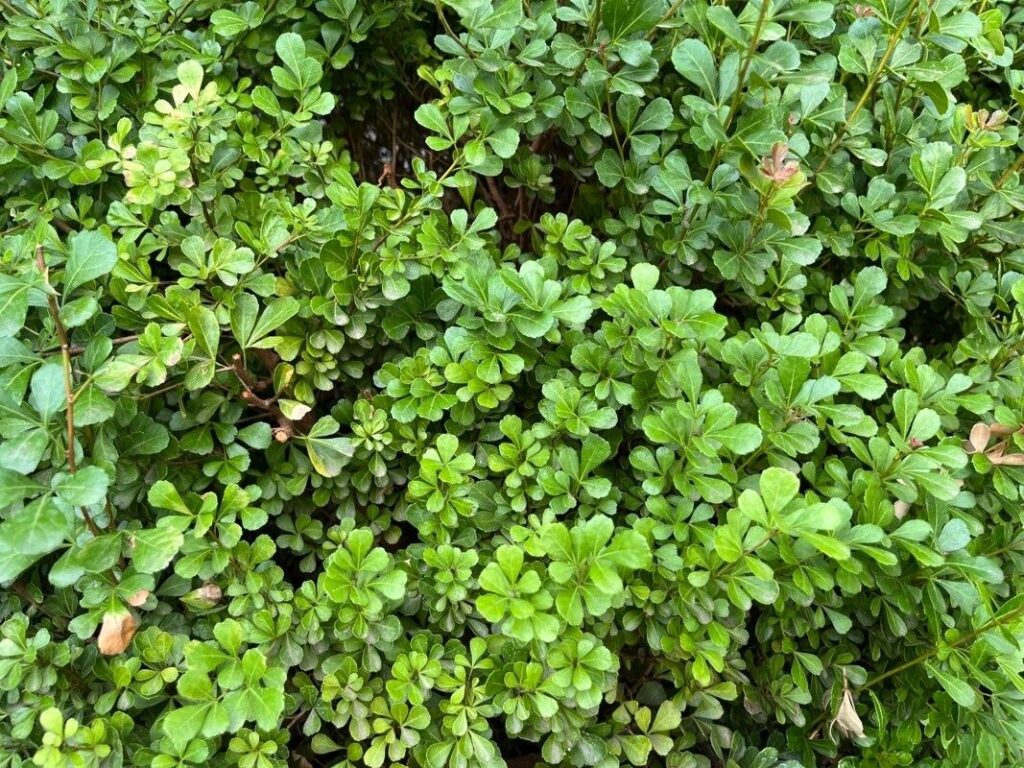
Searsia crenata, also known as the dune crow-berry, is a South African native known for its hardy nature and attractive, evergreen foliage. This resilient shrub, with its glossy, deep green leaves and decorative berries, is ideal for coastal gardens, drought-tolerant landscapes, and even bonsai enthusiasts. Whether you’re drawn to its ability to withstand harsh conditions or simply admire its visual appeal, knowing how to propagate Searsia crenata opens up a world of possibilities for expanding your garden.
There are two primary methods for propagating Searsia crenata:
1. Seed Propagation:
This method requires a bit of patience, as Searsia crenata seeds possess a hard outer shell that necessitates some pre-treatment to encourage germination.
- Seed Collection: Begin by collecting ripe berries from an established Searsia crenata plant. The berries are small and dark purplish-black when ripe.
- Seed Extraction: Remove the fleshy outer layer of the berry and soak the seeds in water for 24 hours. This softens the hard outer shell and prepares them for scarification.
- Scarification: Gently nick or rub the seed coat with sandpaper or a file. This creates a small opening for water absorption, promoting germination. Be careful not to damage the embryo inside.
- Sowing: Sow the scarified seeds in a well-draining seed-raising mix, covering them lightly with soil. Keep the soil consistently moist but not waterlogged.
- Patience is Key: Be prepared to wait, as Searsia crenata seeds can take anywhere from a few weeks to several months to germinate.
2. Propagation from Cuttings:
This method proves faster than seed propagation and is generally more successful.
- Timing is Everything: The ideal time to take cuttings is during the active growing season, preferably in late spring or early summer.
- Choosing the Right Cuttings: Select healthy, semi-hardwood cuttings from the current season’s growth. These cuttings should be around 4-6 inches long with several leaf nodes.
- Preparing the Cuttings: Remove the lower leaves from the cutting, leaving only 2-3 leaves at the top. Dip the cut end in rooting hormone powder to encourage root development.
- Planting the Cuttings: Plant the prepared cuttings in a well-draining potting mix. Keep the soil consistently moist and provide indirect sunlight.
-
Transplanting Success: Once the cuttings develop a strong root system, typically within 6-8 weeks, they can be transplanted into individual pots or directly into the garden.
Extra Tips for Successful Propagation:
- Well-Draining Soil: Searsia crenata thrives in well-draining soil. Amend heavy clay soils with sand or compost to improve drainage.
- Sunlight Requirements: While this plant tolerates some shade, it prefers full sun for optimal growth and flowering.
- Watering Wisely: Water deeply but infrequently, allowing the soil to dry out slightly between waterings. This plant is relatively drought-tolerant once established.
- Pruning for Shape: Prune Searsia crenata regularly to maintain its shape and encourage bushier growth.
Propagating Searsia crenata may require a little effort, but the rewards are well worth it. By mastering these techniques, you can introduce this hardy and aesthetically pleasing plant to your garden, enjoying its beauty for years to come.