
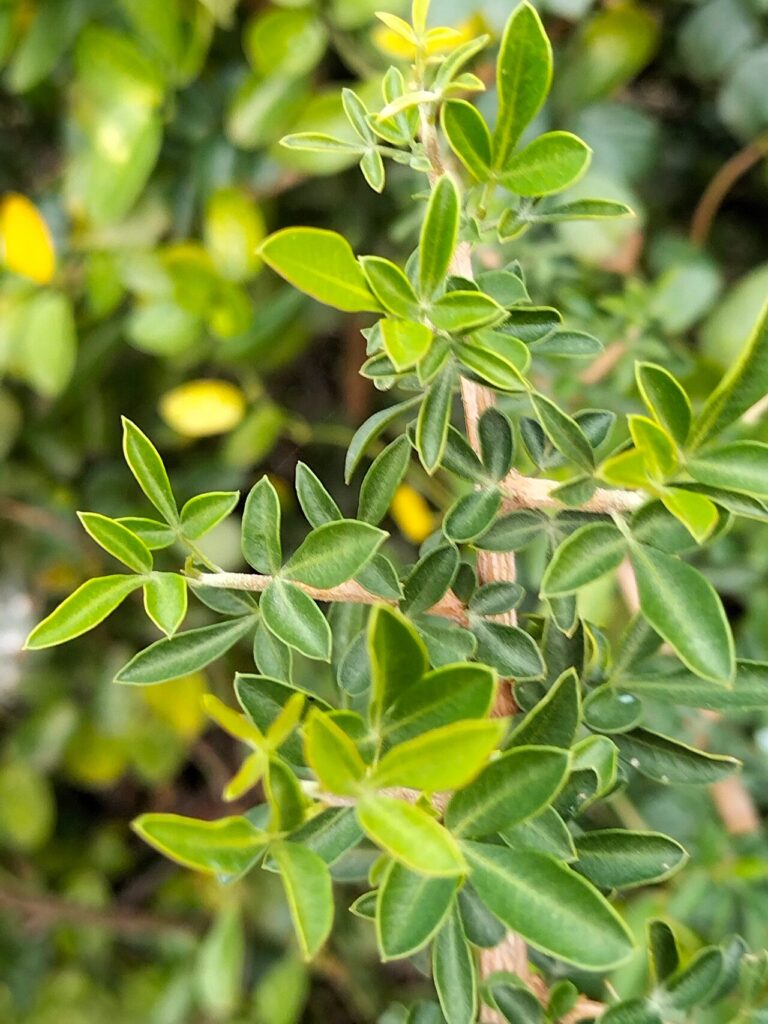
From One Plant to Many: The Joy of Propagating Searsia Pallens
The Searsia pallens, often called the Mountain Ash or White Stinkwood, is a captivating plant that graces many gardens with its handsome foliage and graceful branches. Its elegant silhouette and ability to tolerate a wide range of conditions make it a beloved choice for landscaping. But what if you could enjoy even more of this beauty without having to purchase new plants?
Enter the world of propagation! This simple, yet satisfying practice allows you to create new plants from cuttings of your existing Searsia pallens. You can share them with friends, fill out your own garden, or even sell them and make a little extra cash.
Now, you might be wondering, “How can I do this?”. Don’t worry, it’s easier than you’d think!
Getting Started: The Basics of Propagation
The basic principle of propagation is to encourage a plant to develop roots from a cutting. This is possible because of a plant’s natural ability to regenerate. The most common propagation methods for Searsia pallens are:
- Softwood cuttings: These are taken from new growth that is still somewhat flexible and green. They are ideal for propagating Searsia pallens as they root relatively easily.
- Semi-hardwood cuttings: These are taken from slightly older, more mature growth that has begun to harden but is still flexible.
The Steps to Propagation Success
- Choose your cuttings: Select healthy, disease-free stems from your Searsia pallens. Aim for cuttings that are about 6-8 inches long.
- Prepare your cuttings: Remove the leaves from the bottom inch or two of your cutting. This will help the roots to develop more easily.
- Dip in rooting hormone: This step is not mandatory, but it can significantly improve the rooting rate of your cuttings. Rooting hormone powder is readily available at garden centers.
- Plant your cuttings: Insert your prepared cuttings into a well-draining potting mix. Use a propagation tray or pots with drainage holes. Leave the cuttings in a bright, warm location, but out of direct sunlight.
- Maintain moisture: Regularly mist your cuttings to keep the soil moist. Avoid overwatering, which can lead to rotting. Roots will start to develop within several weeks.
- Transplant your new plants: Once your cuttings have developed a strong root system, you can transplant them into larger pots or directly into your garden.
Important Tips for Success:
- Choose the right time to take cuttings: The best time for propagation is in the spring or early summer when the plant is actively growing.
- Use a sharp, clean knife or pruning shears: This will help reduce the risk of disease transmission.
- Monitor for pests and diseases: Regularly inspect your cuttings for any signs of problems.
- Don’t be discouraged if your first attempt doesn’t produce perfect results: Propagation takes practice!
Beyond Propagation: Caring for Your New Searsia Pallens
The beauty of propagation is that it’s not just about creating new plants; it’s about fostering them to their full potential. Searsia pallens prefers a sunny location and well-drained soil. With regular watering, especially during dry spells, your new plants will thrive and offer years of enjoyment.
Conclusion:
Propagating your Searsia pallens isn’t just a fun hobby – it’s a rewarding one that allows you to share your personal connection with nature. It’s a skill that will continue to give you satisfaction long after the first delicate roots emerge.
So, go ahead and experiment with the simple joy of propagation. You’ll be amazed at how easily you can grow new life from your beloved Searsia pallens, bringing a piece of its natural elegance to your garden and beyond.