
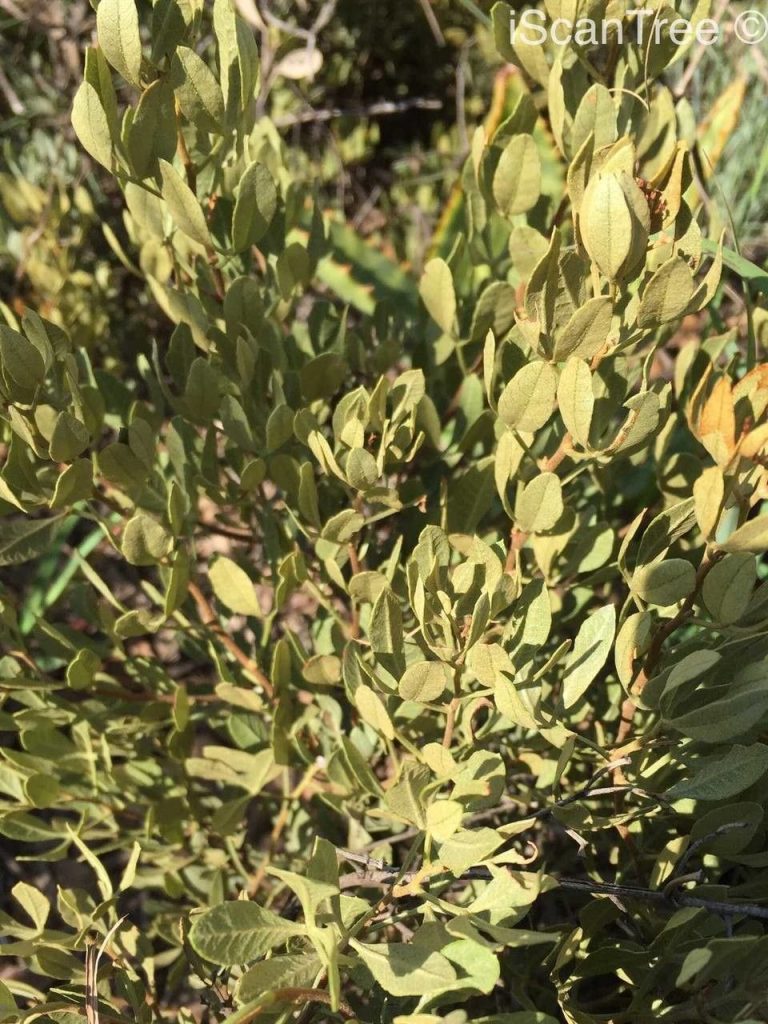
Propagating Searsia tumulicola: A Gardener’s Guide to the Dune-loving Rhus
Searsia tumulicola, commonly known as the dune rhus or coastal rhus, is a resilient and attractive shrub indigenous to the coastal regions of southern Africa. Characterized by its small, leathery leaves and dense, rounded form, it’s increasingly popular among gardeners for its drought tolerance, wind resistance, and ability to thrive in harsh, coastal conditions. Its beautiful autumnal foliage adds further appeal. However, its propagation presents unique challenges, making successful cultivation especially rewarding.
Seed Germination:
Currently, there are no known reliable methods for seed germination propagation of Searsia tumulicola. While seeds may be produced, their germination rate is extremely low, likely due to a combination of factors including hard seed coats and dormancy requirements that haven’t been successfully overcome. Research into specific pre-treatment techniques (like scarification or stratification) is needed to determine if seed propagation is viable.
Cuttings:
Cuttings offer a more promising avenue for propagating Searsia tumulicola.
-
Challenges: Success rates can vary depending on the timing and technique used. The woody nature of the stems can make rooting difficult.
-
Practical Tips: Semi-hardwood cuttings taken in late summer or early autumn, treated with rooting hormone, and placed in a well-draining propagation mix under humid conditions show the greatest potential for success. Misting regularly is crucial to maintain humidity. Using a bottom heat mat can also promote rooting.
-
Rewards: Cuttings produce genetically identical plants, preserving desirable characteristics. This method is relatively simple and allows for efficient propagation of a limited number of plants.
Division:
Division is suitable only for established, mature Searsia tumulicola plants.
-
Challenges: Dividing the root system without damaging it significantly is crucial for the survival of both the parent plant and the divisions. This process is disruptive to the plant and should be done carefully.
-
Practical Tips: Division is best undertaken in spring or autumn, when the plant is actively growing (spring) or preparing for dormancy (autumn). Ensure each division has a healthy portion of root system and foliage. Plant the divisions immediately after separation, watering thoroughly.
-
Rewards: Dividing existing plants is a relatively quick way to increase the number of plants, particularly useful for larger, well-established specimens.
Tissue Culture:
Tissue culture propagation is a method not commonly used for Searsia tumulicola but it holds potential.
-
Challenges: Establishing aseptic conditions and finding the optimal growth mediums and hormonal balances for successful shoot multiplication and root development are essential. This method requires specialized equipment and expertise, making it less accessible to home gardeners.
-
Practical Tips: Research into suitable media formulations, growth regulators, and sterilization protocols specific to Searsia tumulicola is necessary. This work is best suited for plant tissue culture laboratories.
-
Rewards: Tissue culture is capable of mass production of genetically identical plants, opening possibilities for large-scale propagation and conservation efforts.
Conclusion:
Propagating Searsia tumulicola presents a challenge, with seed germination proving currently unreliable. Cuttings offer a more practical approach for home gardeners, while division is suitable for established plants. Tissue culture represents a promising avenue for large-scale propagation, but it demands specialized expertise. The difficulties involved, however, amplify the sense of achievement when successful. The resilience of this remarkable plant, coupled with its beauty, makes the effort of propagation a truly rewarding experience for the dedicated gardener. Don’t be discouraged by initial setbacks; persistence, careful observation, and adaptation of techniques are key to mastering the art of cultivating this captivating coastal shrub.