
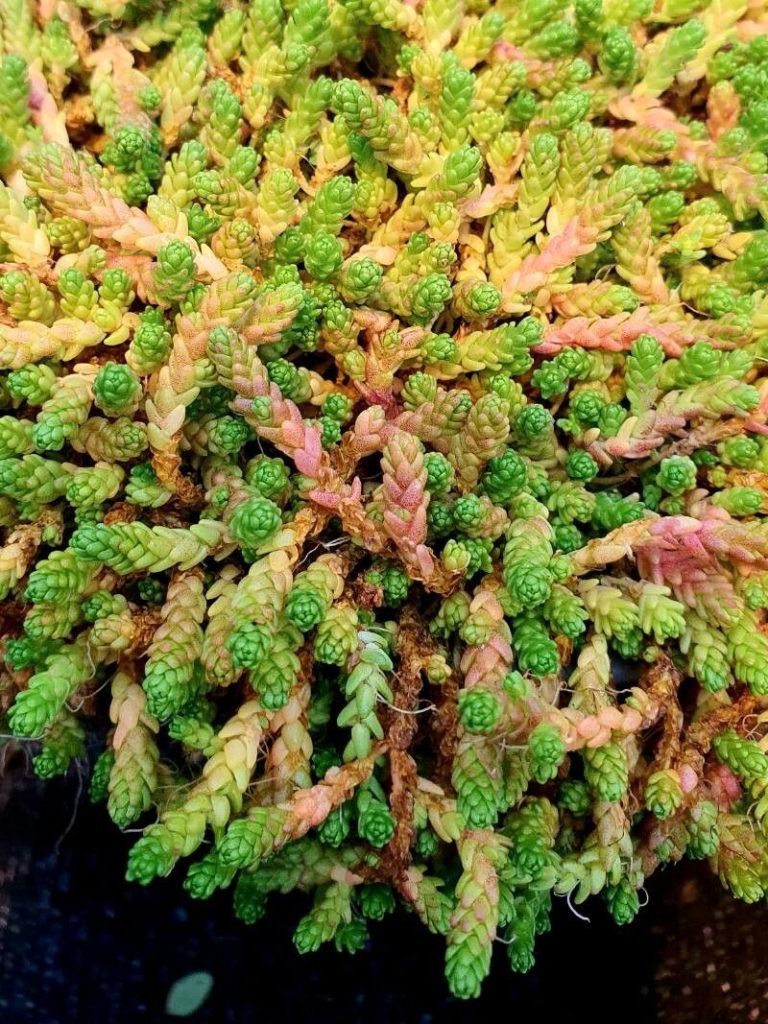
Propagating Sedum acre: A Goldmoss Sedum Success Story
Introduction:
Sedum acre, commonly known as Goldmoss Sedum, is a low-growing, succulent groundcover prized for its vibrant golden-green foliage and bright yellow star-shaped flowers. Its drought tolerance, ease of care, and ability to thrive in poor soils make it a popular choice among gardeners seeking low-maintenance, attractive landscaping. Its propensity for spreading makes it an ideal candidate for erosion control, and its resilience ensures it can withstand harsh conditions. However, while it readily spreads in its natural environment, propagating Sedum acre can present some unique challenges depending on the chosen method.
Seed Germination:
Currently, there are no known reliable methods for seed germination propagation of Sedum acre. While seeds can be produced, germination rates are extremely low and highly unpredictable, making this method impractical for most gardeners.
Cuttings:
This is the most reliable and widely used method for propagating Sedum acre.
Challenges: The primary challenge lies in ensuring the cuttings root properly before they desiccate. Sedum acre cuttings are relatively easy to root, but success depends on appropriate conditions.
Practical Tips: Take stem cuttings of approximately 4-6cm in length in spring or summer. Remove the lower leaves to prevent rotting. Allow the cuttings to callus over for a few days before planting them in well-draining potting mix or directly into the garden. Keep the cuttings slightly moist but not waterlogged. High humidity (e.g., using a propagator or covering with a plastic bag) can significantly improve success rates.
Rewards: Cuttings offer a quick and efficient way to produce numerous plants genetically identical to the parent plant, preserving desirable traits. This is ideal for maintaining a specific cultivar or quickly expanding a planting.
Division:
Division is another straightforward method particularly suitable for established clumps.
Challenges: The main challenge is carefully separating the dense roots and rhizomes without severely damaging the individual sections. Over-watering after division can lead to rotting.
Practical Tips: Divide mature plants in spring or autumn. Use a sharp spade or knife to carefully split the clump into smaller sections, ensuring each section has sufficient roots and foliage. Plant the divisions immediately in well-prepared soil, spacing them appropriately. Water sparingly initially.
Rewards: Division is a fast and effective way to increase the number of plants, minimizing the time required compared to growing from cuttings.
Tissue Culture:
Tissue culture is a more advanced technique, typically not used by home gardeners.
Challenges: Tissue culture requires specialized equipment, sterile conditions, and expertise in plant tissue culture techniques. It is a time-consuming and costly method.
Practical Tips: This method requires a laboratory setting and specialized media. Sterile techniques are essential to prevent contamination. Explants (small pieces of plant tissue) are grown in a nutrient-rich agar medium under controlled conditions.
Rewards: Tissue culture allows for the rapid propagation of large numbers of plants from a small amount of starting material, and it offers the possibility of disease elimination.
Conclusion:
Propagating Sedum acre presents various challenges depending on the method employed. Seed germination is unreliable, whereas cuttings and division are readily accessible and effective techniques for home gardeners. Tissue culture, while offering advantages in terms of scale and disease control, is beyond the capabilities of most. The satisfaction derived from successfully cultivating Goldmoss Sedum from a cutting or division is considerable. The resilience of this plant, coupled with the relative ease of vegetative propagation, makes it a rewarding subject for both experienced and aspiring propagators. So, don’t be disheartened by initial setbacks – embrace the learning process, experiment with the methods outlined, and enjoy the vibrant beauty of your successfully propagated Sedum acre.