
Multiply Your Moonstones: A Guide to Propagating Sedum allantoides
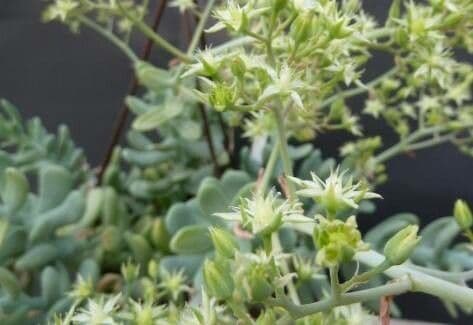
With its plump, silvery-green leaves resembling shimmering moonstones, Sedum allantoides, also known as the Jelly Bean Plant, adds a captivating touch to any succulent arrangement or rock garden. This low-maintenance beauty, native to Mexico, is not only drought-tolerant but surprisingly easy to propagate, allowing you to expand your collection or share the joy with fellow plant enthusiasts.
This guide dives into the different methods of propagating Sedum allantoides, empowering you to multiply your moonstones with confidence:
Method 1: Leaf Cuttings
The most straightforward and popular method, leaf cuttings, harnesses the incredible regenerative power of Sedum allantoides.
- Selecting Leaves: Choose healthy, plump leaves from a mature plant. Gently twist the leaves from the stem, ensuring a clean break.
- Callusing: Allow the leaves to callus for a day or two in a shaded area. This step is crucial for preventing rot once the leaf comes in contact with moisture.
- Planting: Place the callused leaves on top of well-draining soil, like a cactus mix. Lightly mist the soil, ensuring it remains barely moist.
- Patience: In a few weeks, tiny pink roots, followed by baby plants, will emerge at the base of the leaves. Once the plants are a bit larger, you can gently separate them and pot them individually.
Method 2: Stem Cuttings
Stem cuttings provide a faster route to mature plants, ideal for quickly expanding your collection.
- Preparing the Cuttings: Using clean shears, snip off a healthy stem about 3-4 inches long. Remove the bottom leaves, leaving a few at the top.
- Callusing: Like leaf cuttings, allow the stem to callus for a few days in a shaded area.
- Planting: Insert the callused end of the cutting into a pot filled with well-draining soil. Water lightly and keep the soil barely moist.
- Rooting: Within a few weeks, the cutting will develop roots and start showing new growth.
Method 3: Dividing Existing Plants
For mature, overgrown plants, division offers an easy propagation option.
- Removing the Plant: Gently remove the entire plant from its container.
- Separating the Crowns: Using your fingers or a clean knife, carefully separate the plant into smaller sections, ensuring each section has healthy roots.
- Repotting: Plant each section in individual pots filled with well-draining soil. Water lightly and provide indirect sunlight.
Tips for Success:
- Timing: Spring and early summer, during the plant’s active growing season, are ideal for propagation.
- Light: While your cuttings are rooting, provide them with bright, indirect sunlight. Avoid direct sunlight, which can scorch the developing plants.
- Water: Overwatering is the biggest enemy. Allow the soil to dry out completely between waterings. Remember, Sedum allantoides thrives on neglect.
With a little care and patience, propagating your Sedum allantoides is a rewarding experience. Not only will you expand your collection, but you’ll also deepen your connection with this fascinating and beautiful succulent. So, roll up your sleeves, get your hands dirty, and watch in awe as your moonstone collection multiplies!