
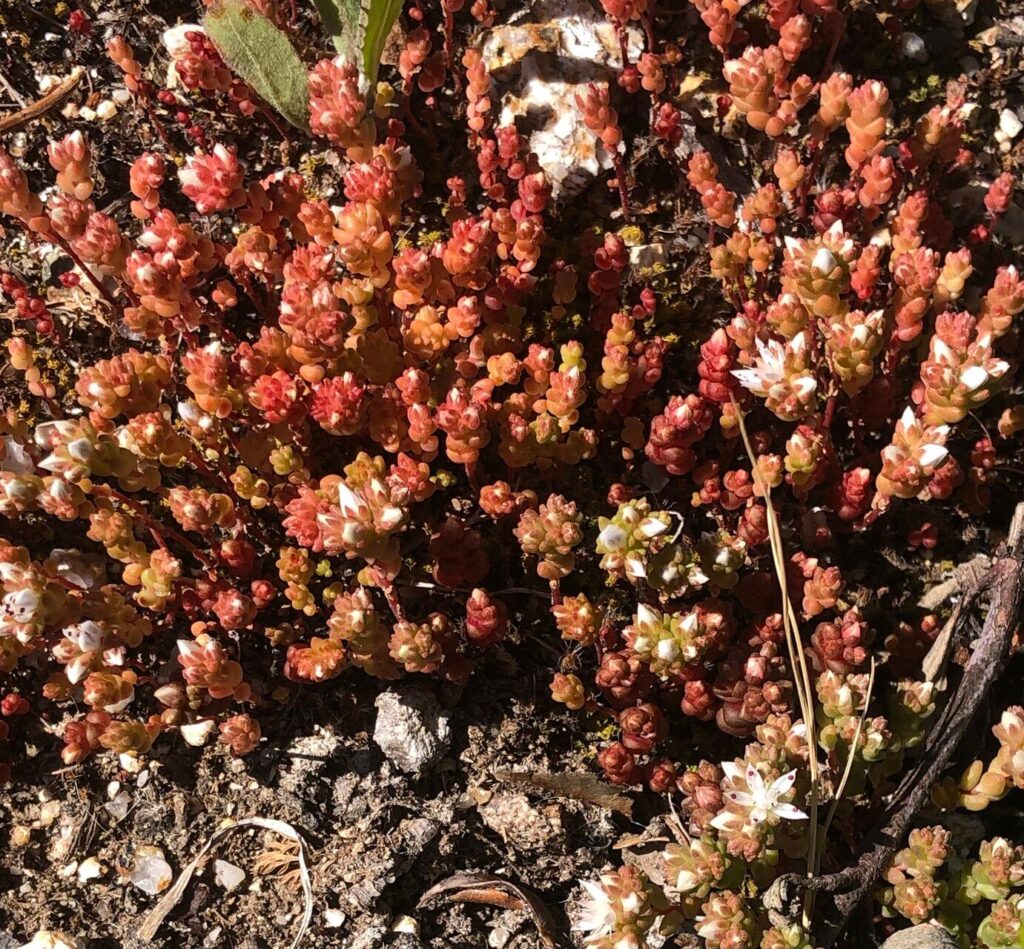
Propagating Sedum arenarium: A Guide to Cultivating this Charming Stonecrop
Sedum arenarium, commonly known as Goldmoss Sedum, is a captivating low-growing succulent prized for its vibrant, golden-yellow foliage and charming, star-shaped flowers. Its compact habit and tolerance of drought make it a popular choice for rock gardens, crevices, and even container plantings. While its relatively easy maintenance makes it a favorite among gardeners, propagation can present some unique challenges. This article explores various methods for propagating Sedum arenarium, detailing their successes and drawbacks.
Seed Germination:
Currently, there are no known reliable methods for seed germination propagation of Sedum arenarium. While seeds may be produced, germination rates are notoriously low, and seedling establishment is difficult. The tiny seeds require highly specific conditions which are hard to replicate consistently, rendering this method impractical for most home gardeners.
Cuttings:
Viability: Cuttings are the most reliable method for propagating Sedum arenarium.
Challenges: While relatively straightforward, success depends on proper technique and environmental conditions. Overwatering is a significant risk, leading to rot.
Practical Tips: Take stem cuttings in spring or summer. Use sharp, clean shears to remove 4-6 inch sections, ensuring each cutting has several leaf pairs. Allow the cut ends to callous over for a day or two before planting. Plant cuttings in well-draining succulent potting mix, ensuring only the lower leaf nodes are buried. Water sparingly, only when the soil is completely dry. Propagation under humid conditions in a propagator or covered tray can increase success.
Rewards: This method is quick, relatively easy, and allows for the replication of desirable parent plant traits.
Division:
Viability: Division is a highly effective and simple propagation method for established Sedum arenarium plants.
Challenges: This method can only be used with mature plants that have developed substantial root systems. Care must be taken during division to avoid damaging the roots, which could hinder the growth of the new plants.
Practical Tips: In spring or early autumn, gently lift the mature plant from the ground. Divide the root ball into several sections, ensuring each section contains healthy roots and several stems. Replant the divisions in well-drained soil, spacing them appropriately. Water sparingly after planting, allowing the roots to establish before more frequent watering is initiated.
Rewards: This method is simple, fast, and results in instant larger plants compared to cuttings.
Tissue Culture:
Viability: Tissue culture is a viable but technically demanding method suitable for large-scale propagation or specific research purposes.
Challenges: This method requires specialized equipment, a sterile environment, and a detailed understanding of plant tissue culture techniques. It is not a practical option for home gardeners.
Practical Tips: This method involves placing small pieces of plant tissue on a growth medium containing nutrients and hormones, under sterile conditions. Careful control of light, temperature, and humidity is crucial.
Rewards: This method offers the potential to rapidly propagate large numbers of genetically identical plants, though requires expertise and investment.
Conclusion:
Propagating Sedum arenarium presents various levels of difficulty depending on the chosen method. While seed germination proves unreliable, cuttings and division offer practical and reasonably straightforward approaches for the home gardener. Tissue culture remains a viable option for professionals but is too complex for most hobbyists. The reward of successfully cultivating this resilient little plant from a cutting or division, however, is undeniable. The satisfaction of nurturing a tiny cutting into a thriving plant outweighs the minor challenges, making the propagation of Goldmoss Sedum a rewarding experience for any enthusiastic gardener. Remember patience and careful attention to detail are key ingredients to success.