
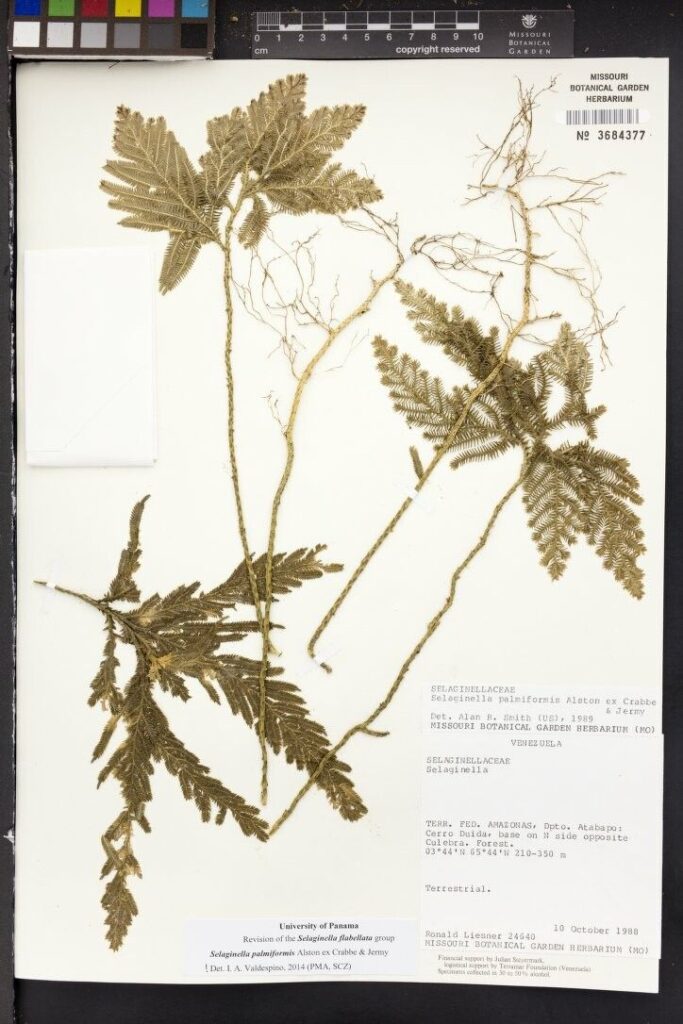
Propagating Selaginella palmiformis: Unveiling the Secrets of the Peacock Fern
Introduction:
Selaginella palmiformis, commonly known as the Peacock Fern, is a captivating species prized for its striking, scale-like leaves that create a lush, textured appearance. Its upright, palm-like growth habit and tolerance of low light conditions contribute to its popularity among indoor gardeners and terrarium enthusiasts. However, propagating this seemingly resilient plant presents unique challenges. While it’s not notoriously difficult, understanding the nuances of each propagation method is crucial for success. This article explores various techniques, highlighting their viability and offering practical advice.
Seed Germination:
Currently, there are no known reliable methods for seed germination propagation of Selaginella palmiformis. Selaginella species, in general, are known for their spore production rather than seeds, and these spores (called megaspores and microspores) require precise environmental conditions that are often difficult to reproduce artificially. While germination from spores might be theoretically possible, the process remains largely undocumented and unreliable for achieving consistent results.
Cuttings:
1. Viability: Cuttings represent a relatively straightforward and successful method for propagating Selaginella palmiformis. Stem cuttings are most commonly used.
2. Challenges and Tips: The main challenge lies in maintaining high humidity. Cuttings are susceptible to desiccation.
- Technique: Take 3-4 inch cuttings from healthy, actively growing stems. Remove the lower leaves to prevent rot. Plant the cuttings in a well-draining, moist mix of peat moss and perlite. Cover the cuttings with a clear plastic bag or dome to create a humid environment. Minimize direct sunlight. Mist regularly to maintain moisture.
- Rewards: Cuttings offer a relatively quick and simple method for increasing the number of plants. This is ideal for smaller-scale propagation and maintaining genetic consistency.
Division:
1. Viability: Division is a highly effective method, particularly for larger, established plants.
2. Challenges and Tips: The biggest challenge is gently separating the rhizomes without damaging them. Overly forceful separation can lead to stress and slow recovery.
- Technique: Carefully remove the plant from its pot. Gently tease apart the rhizomes, ensuring each division has a good root system and several actively growing stems. Replant each division in a suitable potting mix and water thoroughly. Keep the divided plants in a humid environment for a few weeks to encourage re-establishment.
- Rewards: Division provides a rapid means of increasing the number of plants, maintaining the genetic characteristics of the mother plant, and potentially rejuvenating an overcrowded plant.
Tissue Culture:
1. Viability: Tissue culture propagation, while technically possible, is generally not a practical approach for home propagators due to its complexity and specialized equipment requirements.
2. Challenges and Tips: A sterile environment, specialized media, and knowledge of plant tissue culture techniques are all crucial. Contamination is a major risk. While the process can create numerous plants, it necessitates a significant investment in infrastructure and expertise.
- Technique: This method involves establishing aseptic cultures from small plant explants (e.g., stem tips, leaf segments) on nutrient-rich media. Growth regulators are often used to induce shoot multiplication and rooting.
- Rewards: Tissue culture enables mass propagation and elimination of diseases, but requires expertise and special equipment.
Conclusion:
Propagating Selaginella palmiformis presents a spectrum of challenges and rewards depending on the chosen method. While seed germination is likely not feasible, cuttings and division offer reliable options for the home grower, the former providing an excellent entry point, whilst the latter better suited to established plants. Tissue culture, given its high degree of technicality and cost, remains unsuitable for most hobbyists. The satisfaction derived from successfully propagating this delightful plant, despite the hurdles, is immeasurable. For aspiring propagators, patience, attention to detail, and a commitment to maintaining high humidity are essential ingredients for success. Remember to always start small and learn from your experiences – each propagated Peacock Fern is a testament to your green thumb!