
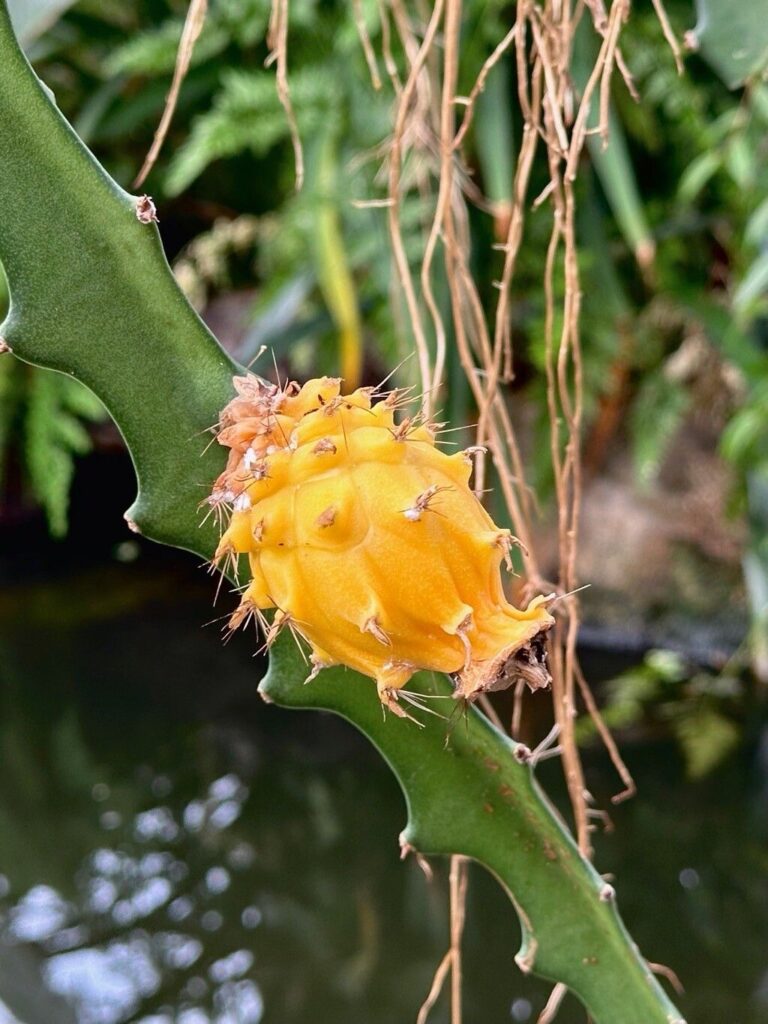
Unlocking the Secrets to Propagating the Queen of the Night: A Guide to Selenicereus megalanthus
The Selenicereus megalanthus, more affectionately known as the “Queen of the Night” or the “Pitahaya,” is a stunning cactus prized for its enormous, fragrant, night-blooming flowers and delicious dragon fruit. While many admire its exotic beauty, few realize just how simple it is to propagate. If you’ve ever wanted to expand your cactus collection or share this remarkable plant with friends, this guide will equip you with the knowledge to propagate Selenicereus megalanthus successfully.
Understanding Your Plant
Before diving into the techniques, let’s understand what makes this cactus tick. Being an epiphytic cactus, Selenicereus megalanthus naturally grows on other plants for support, absorbing moisture and nutrients from the air and rain. Therefore, it thrives in well-draining soil and prefers bright, indirect light.
Two Paths to Propagation: Seeds vs. Cuttings
Propagating Selenicereus megalanthus can be achieved through two primary methods: seeds and cuttings.
1. Seeds:
- Source: You can harvest seeds from the fruit of a mature plant or purchase them from reputable suppliers.
- Process: Remove the seeds from the fruit pulp, rinse them thoroughly, and allow them to dry completely. Sow the seeds in well-draining cactus potting mix, mist lightly, and keep the soil consistently moist until germination, which can take a few weeks.
- Pros: A fun and rewarding experience, especially for children.
- Cons: Slowest method. It can take several years for plants grown from seed to flower.
2. Cuttings:
- Source: Select healthy, mature stems from an established plant. Ideal cuttings are around 6-12 inches long.
- Process:
- Using a clean, sharp knife or pruning shears, make a clean cut at a slight angle.
- Allow the cutting to callus over for about a week in a dry, shaded area. This helps prevent rot.
- Once calloused, plant the cutting about 2 inches deep in a well-draining cactus mix.
- Water sparingly, allowing the soil to dry completely between waterings.
- Pros: Faster than growing from seed, with the new plants retaining the characteristics of the parent plant.
- Cons: Requires a source plant for cuttings.
Nurturing New Growth
Whether you choose seeds or cuttings, the following tips will help your new Selenicereus megalanthus thrive:
- Light: Bright, indirect sunlight is ideal. Avoid direct sunlight, which may scorch the young plants.
- Watering: Allow the soil to dry out completely between waterings. Overwatering is a common mistake and can lead to root rot.
- Support: As the cactus grows, provide support with stakes or trellises to encourage upward growth and prevent breakage.
- Patience: Remember, patience is key when propagating any plant. It may take some time for your new Selenicereus megalanthus to establish themselves.
Witness the Magic
Propagating your own Selenicereus megalanthus is a deeply satisfying experience. Watching a tiny seed or cutting flourish into a majestic plant capable of producing stunning flowers and delicious fruit is a testament to the power of nature and your own green thumb. So, embrace the journey, and get ready to witness the magic of propagation unfold!