
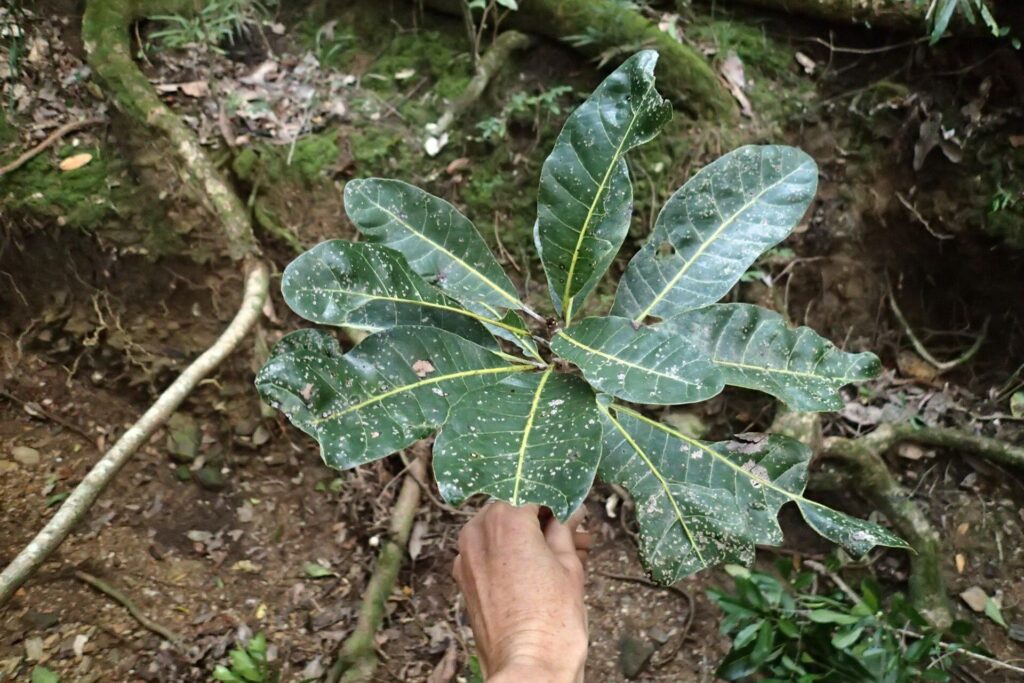
Unlocking the Secrets of the Devil Fruit Tree: Propagating Semecarpus ater
The name “devil fruit tree” might conjure images of a fantastical plant bearing mythical powers, but the reality of Semecarpus ater, while fascinating, is decidedly more earthly. This tropical evergreen, native to Southeast Asia and parts of the Pacific, is known for its striking black resin—traditionally used for dyeing, varnishing, and even medicinal purposes.
While the fruits themselves are poisonous when raw, the processed nuts have culinary uses in certain cultures. But for plant enthusiasts, the allure of Semecarpus ater lies in its unique appearance and the rewarding challenge of propagation.
Two Paths to Propagation:
Like many fruit-bearing trees, Semecarpus ater can be propagated through seeds or cuttings. Each method has its own advantages and considerations:
1. Seed Propagation: A Test of Patience
Germinating Semecarpus ater from seed is a rewarding but lengthy process, often taking several months. Here’s how to increase your chances of success:
- Fresh is Best: Source seeds from a reputable supplier or, even better, directly from a mature fruit (ensuring proper handling as the raw fruit’s sap can cause skin irritation). Fresh seeds have a significantly higher germination rate.
- Breaking Dormancy: Semecarpus ater seeds have a hard outer shell that contributes to dormancy. Gently scarifying the seed coat with sandpaper or a file can help water penetrate and speed up germination.
- Warmth and Moisture: Plant the seeds in a well-draining seed starting mix, keeping them consistently moist and in a warm location (around 75-85°F). A seedling heat mat can be helpful.
- Patience is Key: Germination can take anywhere from a few weeks to several months. Don’t give up! Keep the soil consistently moist and provide bright, indirect light once the seedlings emerge.
2. Cutting Propagation: A Faster Route
Propagating Semecarpus ater from cuttings offers a quicker route to a mature plant, but it requires more specific conditions and care:
- Timing is Everything: Take cuttings during the plant’s active growing season, ideally in late spring or early summer.
- Selecting the Right Cutting: Choose healthy, semi-hardwood cuttings that are about 4-6 inches long with at least 2-3 nodes.
- Hormone Boost: Dip the cut end of the cutting in rooting hormone powder to encourage root development.
- Creating the Right Environment: Plant the cutting in a well-draining potting mix and maintain a humid environment. A humidity dome or a clear plastic bag placed over the cutting can help retain moisture.
- Monitoring and Care: Place the cutting in a warm location with bright, indirect light. Keep the soil consistently moist but not waterlogged. Roots should develop within a few weeks.
Challenges and Rewards:
Propagating Semecarpus ater can be challenging, especially for novice gardeners. The plant requires specific conditions and consistent care. However, the satisfaction of successfully nurturing a new plant from a seed or cutting is a rewarding experience.
A Word of Caution:
Remember that all parts of the Semecarpus ater tree can be toxic if ingested, and the sap can cause skin irritation. Always wear gloves and protective clothing when handling this plant and keep it out of reach of children and pets.
By understanding the intricacies of its propagation, you can unlock the captivating secrets of the “devil fruit tree” and enjoy the unique beauty of Semecarpus ater in your own home or garden.