
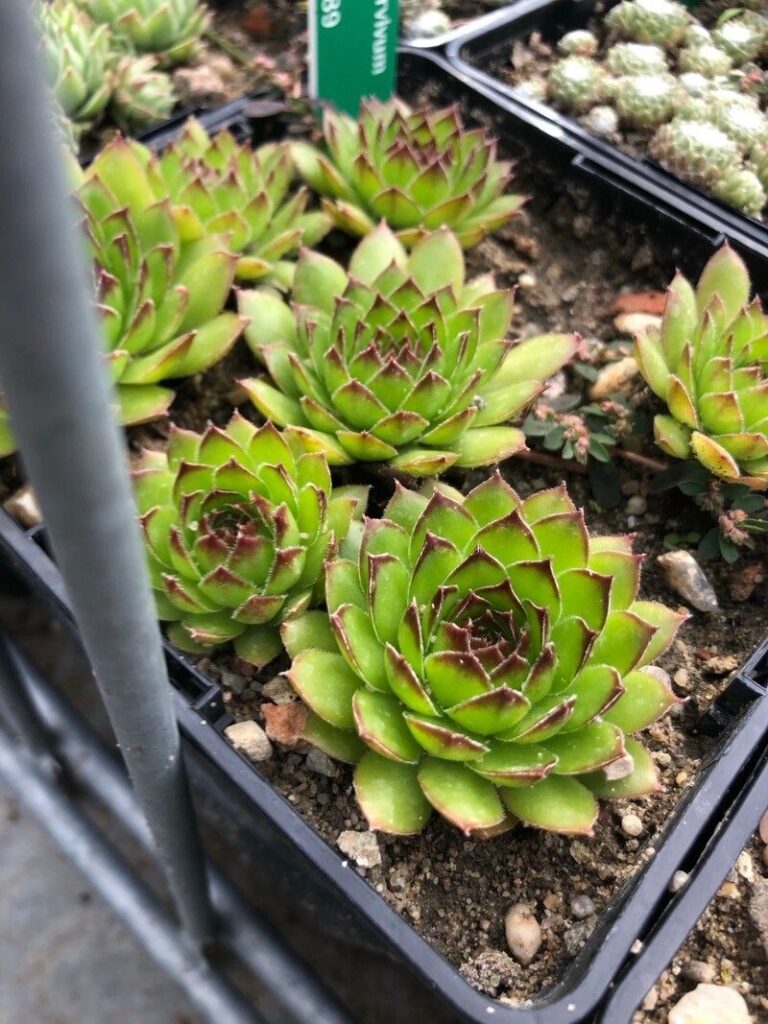
From One to Many: Easy Propagation of the Hardy Sempervivum atlanticum
Sempervivum atlanticum, with its rosettes of succulent leaves and captivating muted green hues, is a popular choice for rock gardens and container arrangements. But did you know this hardy plant is incredibly easy to propagate? This means you can transform a single “hen and chicks” plant into a whole colony with just a little effort.
Understanding the “Hen and Chicks” Concept
Sempervivum atlanticum, like other members of the Sempervivum family, grows in clusters. The mature plant (the “hen”) produces offsets, or baby plants (the “chicks”), that grow around its base. These chicks are genetically identical clones of the mother plant, providing a perfect opportunity for propagation.
Methods for Propagation
There are two simple methods for propagating Sempervivum atlanticum:
1. Division:
This is the most common and straightforward method. It’s best done in spring or early summer when the plant is actively growing.
- Step 1: Preparation. Carefully remove the mother plant from its pot or the ground.
- Step 2: Separation. Gently separate the chicks from the mother plant by hand or using a sharp knife. Try to ensure each chick has its own set of roots.
- Step 3: Planting. Plant the separated chicks individually in pots or directly into the ground. Use a well-draining potting mix and space the chicks appropriately.
2. Leaf Cuttings:
This method is slightly less conventional but still highly effective.
- Step 1: Selection. Choose healthy leaves from the mother plant. Avoid leaves with any signs of damage or disease.
- Step 2: Cuttings. Use a sharp knife to cut the leaves at the base, leaving the leaf intact.
- Step 3: Drying. Allow the leaf cuttings to dry for a couple of days in a well-ventilated area. This allows the cut ends to callous, preventing rot.
- Step 4: Planting. Place the dried leaf cuttings on top of a well-draining potting mix or succulent propagation mix, lightly pressing them into the surface.
- Step 5: Watering. Mist the surface with water and maintain a moist environment. Within a few weeks, you should see tiny plantlets forming from the base of the leaf cuttings.
Tips for Success:
- Light: Sempervivum atlanticum prefers bright, indirect sunlight. Avoid direct afternoon sun to prevent scorching.
- Watering: Water thoroughly but allow the soil to dry out slightly between waterings. Overwatering can lead to root rot.
- Soil: Choose a well-draining potting mix for your Sempervivum atlanticum. A cactus or succulent mix works well.
- Protection: In colder climates, Sempervivum atlanticum might need winter protection from frost.
Enjoy Your New Plants
By following these easy steps, you can create a whole garden of Sempervivum atlanticum from just one “hen and chick.” The process of propagation is both rewarding and surprisingly efficient!
With their hardy nature and resilience, Sempervivum atlanticum make a great addition to any gardener’s collection. So why not give propagation a try? You’ll be amazed at how quickly you grow your collection and share the beauty of these fascinating succulents with others.