
Propagating Sempervivum marmoreum: A Guide to Cultivating the Marble-leaved Houseleek
Introduction:
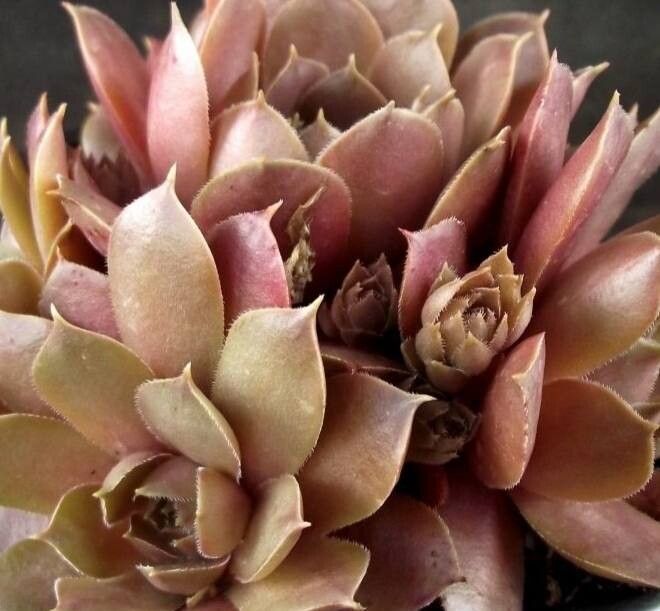
Sempervivum marmoreum, also known as the Marble-leaved Houseleek, is a captivating succulent prized for its striking, marble-like foliage. Its rosettes of succulent leaves, often exhibiting shades of green, grey, and purplish-red, create a visually appealing texture and color contrast. This hardy plant’s adaptability and tolerance for neglect make it a popular choice among gardeners, both experienced and novice. However, propagation, while achievable, presents some unique challenges compared to other succulents. This article explores various propagation methods for Sempervivum marmoreum, highlighting their respective advantages and disadvantages.
Seed Germination:
Currently, there are no known reliable methods for seed germination propagation of Sempervivum marmoreum. While technically possible that seeds could be viable, germination rates are reported to be extremely low, and seedling establishment is notoriously difficult. The effort required often outweighs the rewards, making this method impractical for most home gardeners.
Cuttings:
This is the most reliable and commonly used method for propagating Sempervivum marmoreum.
Challenges: While relatively straightforward, successful propagation through cuttings requires attention to detail. Improper handling can lead to rotting before root formation.
Practical Tips: The best time for cuttings is during the growing season (spring/summer). Take leaf-pullings or stem cuttings (including a small portion of the parent plant’s stem). Allow the cuttings to callus over for a few days before planting them in well-draining succulent potting mix. Avoid overwatering; infrequent misting is sufficient. High humidity and bright, indirect light are beneficial.
Rewards: Cuttings provide a relatively quick and easy method to multiply your plants, preserving the exact genetic characteristics of the mother plant.
Division:
This method is also highly effective for Sempervivum marmoreum.
Challenges: Overly aggressive division can damage the mother plant or the offsets. Care is needed to ensure each offset has sufficient roots and healthy leaves.
Practical Tips: Division is best done during the spring or early summer. Carefully separate offsets from the mother plant, ensuring each has a portion of root system attached. Plant the separated offsets in well-draining succulent soil, keeping them slightly moist until they establish new roots.
Rewards: Division is a quick, simple way to increase the number of plants, and minimizes the risk of introducing disease compared to other methods.
Tissue Culture:
Tissue culture is a more advanced propagation technique.
Challenges: This method requires specialized equipment, a sterile environment, and knowledge of plant tissue culture techniques. It is not a practical method for the average home gardener.
Practical Tips: The process involves isolating and culturing small pieces of plant tissue in a nutrient-rich medium under sterile conditions. This requires specialized equipment and expertise.
Rewards: It offers the potential for rapid and large-scale propagation, and the production of disease-free plants.
Conclusion:
Propagating Sempervivum marmoreum presents unique challenges, primarily due to the plant’s specific requirements for moisture and rooting. While seed germination is generally unreliable, both cuttings and division offer viable, relatively simple paths to successful propagation. Tissue culture, while offering significant advantages in scale and disease control, is best left to professionals or dedicated enthusiasts with specialized equipment and training.
Successfully cultivating this beautiful plant, despite the inherent difficulties, brings a unique sense of accomplishment. The reward of seeing tiny offsets grow into mature, marble-leaved rosettes is undeniably satisfying. Patience, careful observation, and a light touch with water are key to success. Don’t be discouraged by initial setbacks – persevere, and you will be richly rewarded with the beauty of these resilient and rewarding plants.