
Unlocking the Secrets of Sempervivum Staintonii Propagation: Watch Your Succulent Family Grow!
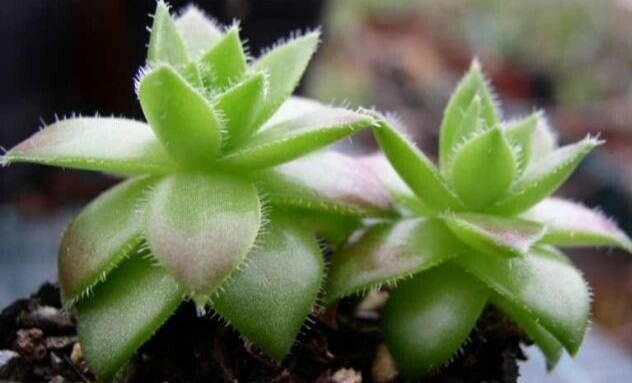
Sempervivum staintonii, also known as the “Stainton’s Houseleek,” is a captivating succulent that charms with its rosette form and intriguing color-changing foliage. These hardy plants, originating from the high altitudes of the Himalayas, are a joy to grow, especially when you realize how easy it is to multiply your collection through propagation. If you’re looking to expand your succulent haven or share the joy of these fascinating plants, then understanding how to propagate Sempervivum staintonii is key!
Why Propagate?
Propagation, the process of creating new plants from existing ones, is a rewarding experience for any plant lover. With Sempervivum staintonii, it’s surprisingly straightforward and yields impressive results. The primary reason for this ease is the plant’s natural tendency to produce “chicks” – tiny, fully formed rosettes that sprout around the mother plant.
Methods for Success:
There are two main ways to propagate Sempervivum staintonii:
1. Chick Separation (Offsets):
- Timing is Key: The ideal time to separate chicks is during the spring or early summer when the plant is actively growing.
- Gentle Removal: Look for chicks that have developed a good root system. Gently twist and pull the chick away from the mother plant, ensuring a clean separation. If the roots are stubborn, use a clean, sharp knife or pair of scissors to separate them.
- Let Them Rest: Allow the separated chicks to dry and callous over for a day or two before potting. This prevents rot and encourages healthy root development.
- Potting Time: Plant the chicks in well-draining soil specifically formulated for succulents. Water lightly, ensuring the soil isn’t soggy.
- Patience is Golden: Place the newly potted chicks in a bright location but out of direct sunlight. Water sparingly, allowing the soil to dry out between waterings. In a few weeks, the roots will establish, and your new Sempervivum staintonii will start thriving.
2. Leaf Cuttings:
- Selecting the Right Leaf: Though less common, propagating Sempervivum staintonii from leaf cuttings is possible. Choose a healthy, mature leaf from the base of the mother plant.
- Callusing Over: Allow the leaf to callus for a day or two after removing it.
- Creating the Right Environment: Place the leaf on top of well-draining soil, gently pressing it in. Mist the soil regularly, keeping it slightly moist but not soggy.
- Signs of Success: Over time, the leaf will begin to produce tiny roots and eventually, a small rosette. Once the rosette is established, you can treat it as a mature plant.
Tips for Success:
- Always use clean tools and pots to prevent the spread of diseases.
- Sempervivum staintonii prefers bright, indirect light. Avoid placing them in direct sunlight, especially during the hottest part of the day.
- Overwatering is the most common reason for succulent failure. Allow the soil to dry completely between waterings.
- These hardy plants enjoy cooler temperatures. Protect them from extreme heat and frost.
Propagating Sempervivum staintonii is an easy and rewarding way to enlarge your succulent collection. With a little patience and care, you can enjoy the beauty of these resilient plants for years to come. Happy propagating!