
Propagating Sempervivum × alatum: A Gardener’s Guide to the Winged Houseleek
Introduction:
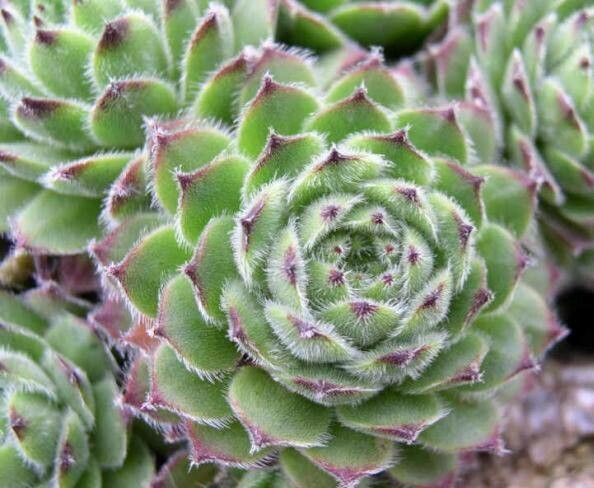
Sempervivum × alatum, often called the Winged Houseleek, is a captivating succulent hybrid known for its striking rosette form and often reddish-tinged leaves. Its relatively compact size and tolerance to drought make it a popular choice among gardeners for rock gardens, containers, and even as ground cover. While several Sempervivum species easily propagate from seed and offsets, the hybrid nature of S. × alatum presents unique challenges and necessitates careful consideration of various propagation techniques. One key feature relevant to propagation is its potential for both sterile and fertile offspring, affecting the success of seed-based methods.
Seed Germination:
Currently, there are no known reliable methods for seed germination propagation of Sempervivum × alatum. The hybrid nature of the plant often results in low seed viability, and even if seeds are produced, germination rates are typically extremely low and inconsistent. Attempts at germination often result in few, if any, seedlings that reliably express the desirable traits of the parent plant.
Cuttings:
Cuttings offer a far more reliable method for propagating Sempervivum × alatum.
- Challenges: While relatively straightforward, obtaining successful rooting requires attention to detail. Improper handling can lead to rotting before root formation.
- Practical Tips: The optimal time for cuttings is during the active growing season (spring or early summer). Select healthy, mature leaves or offsets at the mother plant’s base. Allow the cut ends to callous over for a day or two before planting in a well-draining succulent potting mix. Avoid overwatering; misting is often sufficient until roots develop. Use a rooting hormone to increase success chances. Planting cuttings individually in small pots or directly into prepared ground with adequate spacing is ideal.
- Rewards: Cuttings reliably produce genetically identical plants to the parent, preserving its desirable traits. This is a simple and efficient way to increase the number of S. × alatum in a garden or for sharing with fellow enthusiasts.
Division:
Division is another effective technique for propagating Sempervivum × alatum.
- Challenges: This method requires somewhat mature plants with well-established offsets. Careless separation can damage both the parent plant and the offsets, leading to failure or reduced vigor.
- Practical Tips: The best time for division is during the spring or early summer. Gently separate the offsets from the mother plant, ensuring each offset has healthy roots. Plant the offsets individually in well-draining soil, ensuring sufficient spacing for growth. Avoid overwatering initially.
- Rewards: This method offers a relatively quick way to increase the number of plants, preserving the parent plant’s genetic material. It’s less technically demanding than tissue culture.
Tissue Culture:
Tissue culture offers a potential, though significantly more advanced, method for propagating Sempervivum × alatum.
- Challenges: This is a highly specialized technique requiring sterile laboratory conditions, specific media, and aseptic procedures. It necessitates considerable expertise and specialized equipment, rendering it impractical for most home gardeners.
- Practical Tips: Tissue culture involves isolating small plant tissues (e.g., meristems) and growing them in nutrient-rich agar under controlled conditions. This method can be incredibly effective for large-scale propagation and the production of disease-free plants. However, it’s expensive and time-consuming, demanding specialized knowledge.
- Rewards: Tissue culture offers the potential for mass propagation, rapid increase in plant numbers, and disease elimination. It promises genetically uniform plants, maintaining the desirable characteristics of S. × alatum.
Conclusion:
Propagating Sempervivum × alatum presents a rewarding yet occasionally challenging endeavor. While seed propagation proves largely unsuccessful, the combination of cuttings and division offers practical and accessible methods for gardeners of all skill levels. Tissue culture, though potent, remains unsuitable for most amateur propagators due to its complexity and cost. The satisfaction of nurturing a Winged Houseleek from a cutting or division, overcoming the initial challenges of establishment, is uniquely rewarding. The persistence required to master these propagation techniques reflects the inherent resilience of the plant itself, and ultimately leads to increased appreciation for this beautiful and fascinating succulent. Therefore, we encourage aspiring propagators to experiment with cuttings and division, embracing the learning process and enjoying the beautiful results.