
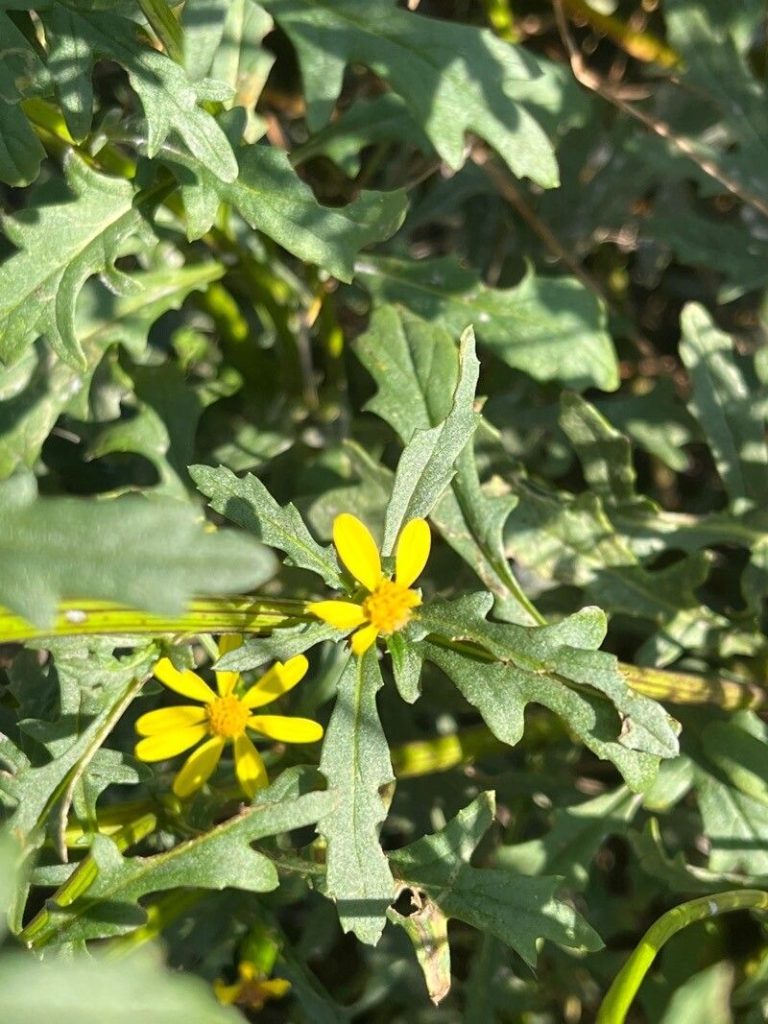
Propagating Senecio eremophilus: A Dusty Miller’s Tale
Senecio eremophilus, commonly known as the Dusty Miller, is a captivating succulent prized for its silvery-grey, deeply lobed foliage. Its fuzzy, almost ethereal appearance makes it a beloved addition to rock gardens, containers, and xeriscapes. Its drought tolerance and ease of care contribute to its popularity among gardeners, but successfully propagating this beauty presents unique challenges and rewards. Unlike some Senecio species that readily produce viable seeds, the propagation of Senecio eremophilus presents a slightly more complex situation.
Seed Germination:
Currently, there are no known reliable methods for seed germination propagation of Senecio eremophilus. While some Senecio species propagate easily from seed, this particular species appears to have low seed viability or germination rates under typical horticultural conditions. Further research may uncover successful germination techniques in the future, but for now, relying on vegetative propagation methods is advised.
Cuttings:
Cuttings represent the most reliable method for propagating Senecio eremophilus.
Challenges: While relatively straightforward, success depends on proper technique and timing. Using overly wet or diseased cuttings can lead to rot. Improper rooting hormone application or inadequate humidity can also hinder root development.
Practical Tips: Take stem cuttings, approximately 4-6 inches long, from healthy, non-flowering stems in the spring or early summer. Remove lower leaves that would be submerged in the propagation medium. Dip the cut ends in a rooting hormone powder before inserting them into a well-draining propagation mix (e.g., a mix of perlite and vermiculite). Keep the cuttings in a humid environment, ideally under a humidity dome or plastic bag, ensuring good airflow to prevent fungal diseases. Maintain consistently moist (not soggy) conditions until roots develop, a process that typically takes 4-6 weeks.
Rewards: This method ensures the preservation of the mother plant’s desirable characteristics, providing consistent results and a relatively quick way to increase the number of plants.
Division:
Division is a viable propagation method for Senecio eremophilus, particularly for larger, established plants.
Challenges: Dividing the plant can be stressful, potentially damaging the roots and leading to plant death if not done carefully. Improperly divided sections may not have adequate root systems for successful establishment.
Practical Tips: Divide the plant during the spring or early autumn when growth is active but not at its peak. Carefully dig up the entire plant, gently separate the root clumps ensuring each division has a substantial root system and several healthy stems. Replant each division immediately in well-draining soil, providing gentle watering to promote recovery.
Rewards: Division is a quick way to multiply several plants simultaneously from one mature plant, allowing you to share with friends, or populate larger garden areas quickly.
Tissue Culture:
Tissue culture is a technically advanced method for propagating Senecio eremophilus, requiring specialized equipment and aseptic techniques.
Challenges: This method requires significant expertise, specialized equipment (autoclave, laminar flow hood), and sterile mediums. Contamination is a major risk, and success requires strict adherence to sterile protocols. The initial investment in equipment and materials is substantial.
Practical Tips: This technique is best left to experienced plant propagators with access to the necessary facilities and protocols.
Rewards: Tissue culture allows for rapid mass propagation, producing numerous genetically identical plants from a tiny plant sample – offering significant opportunities for commercial quantities.
Conclusion:
Propagating Senecio eremophilus presents challenges across all methods, each with specific requirements for success. While cuttings offer the most accessible and reliable method for the home gardener, division provides a faster way to multiply established plants. Tissue culture presents opportunities for large-scale production but necessitates expertise and specialized resources. The unique satisfaction of successfully propagating this striking succulent lies not only in the expansion of your collection but in overcoming the inherent challenges. The reward of witnessing those silvery leaves unfurl from a cutting or a division, proof of your persistence and skill, is immensely fulfilling. So, embrace the challenge and experience the joy of cultivating this captivating plant!