
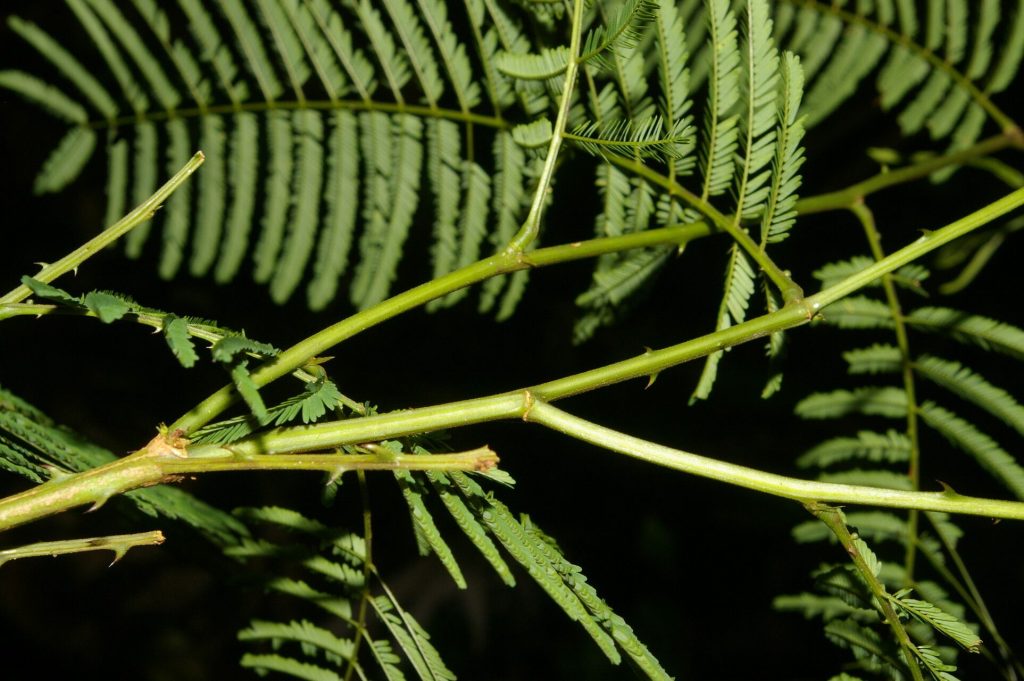
Propagating the White Thorn: A Guide to Senegalia paniculata
Introduction:
Senegalia paniculata, commonly known as the White Thorn, is a medium-sized, thorny tree prized for its attractive, feathery foliage and fragrant, creamy-white flowers. Its adaptability to various soil types and its drought tolerance have made it a popular choice amongst gardeners, particularly in arid and semi-arid regions. However, propagating Senegalia paniculata presents some challenges due to its specific germination requirements and the relatively slow growth of cuttings. Understanding these challenges and employing suitable propagation techniques is key to successful cultivation. The unique satisfaction of nurturing this resilient tree from a seed or cutting makes the effort well worth it for many enthusiasts.
Seed Germination:
Seed germination is a viable method for propagating Senegalia paniculata, but it presents several challenges. The hard seed coat often inhibits water uptake, leading to poor germination rates.
Challenges: Hard seed coat, slow germination, inconsistent germination rate.
Practical Tips: Pre-sowing treatment is crucial. Scarification, either mechanical (nicking the seed coat with a file) or chemical (using concentrated sulfuric acid for a short period – handle with extreme care), is recommended to improve water penetration. Soaking the seeds in warm water for 24-48 hours before sowing can further enhance germination. Sowing should be done in a well-draining seed starting mix, keeping the soil consistently moist but not waterlogged. Germination may take several weeks or even months.
Rewards: Seed propagation offers the potential for large-scale propagation and maintains the genetic diversity of the species.
Cuttings:
Cuttings propagation of Senegalia paniculata is possible, but success rates are generally lower than with seed.
Challenges: Slow rooting, susceptibility to fungal diseases, low success rate.
Practical Tips: Semi-hardwood cuttings taken in late summer or early autumn are most successful. Cuttings should be approximately 10-15cm long, with several leaves removed from the lower portion to reduce water loss. Dip the base of the cuttings in a rooting hormone before planting in a well-draining medium, such as a perlite and peat moss mix. Maintain high humidity using a propagator or plastic bag to promote root development. Rooting can take several weeks or months.
Rewards: Cuttings preserve the desirable characteristics of the parent plant, ensuring consistent quality.
Division:
Division is not a practical method for propagating Senegalia paniculata. This tree has a strong taproot system, making division difficult and likely resulting in the death of the plant.
Tissue Culture:
Tissue culture is a technically advanced method that offers potential for rapid and large-scale propagation of Senegalia paniculata. However, it requires specialized equipment, sterile conditions, and expertise.
Challenges: Requires specialized knowledge and equipment; expensive.
Practical Tips: This method is best left to experienced tissue culture laboratories. Protocols for Senegalia paniculata may need to be developed specifically.
Rewards: Large-scale propagation of disease-free plants with consistent genetic characteristics.
Conclusion:
Propagating Senegalia paniculata presents varying degrees of challenge across different methods. Seed germination, while offering genetic diversity, requires patience and careful pre-treatment. Cuttings are a viable alternative, but success rates are modest and require attention to detail. Division is not recommended. Tissue culture provides the potential for large-scale and standardized propagation, but requires specialized resources.
The unique satisfaction of cultivating this resilient tree lies precisely in overcoming these hurdles. Witnessing the fragile seedling emerge from a seemingly inert seed, or the first roots appear on a carefully nurtured cutting, is deeply rewarding. The perseverance required breeds a connection with the plant, amplifying the joy of its eventual flourishing. To aspiring propagators, I offer this encouragement: embrace the challenge, learn from your experiences, and savor the unique rewards of nurturing this fascinating species. Remember that patience and attention to detail are keys to success with any propagation method you choose.