
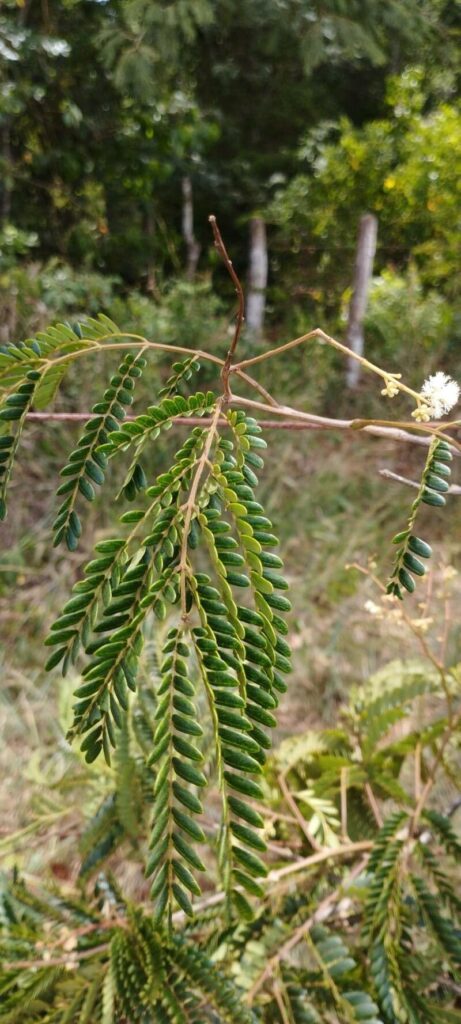
From Seed to Success: Growing Your Own Senegalia Polyphylla
Ever dreamt of having your own graceful Senegalia polyphylla, with its stunning foliage and enchanting fragrance? This unique tree, formerly known as Acacia polyphylla, is a true gem for any garden – but where do you start? The answer, as with many plants, lies in propagation. This article will guide you through the journey of bringing a Senegalia polyphylla from seed to a thriving tree in your very own backyard.
Understanding the Basics
Senegalia polyphylla propagation is a rewarding endeavor, but it requires a little patience and understanding. The easiest and most common method is seed propagation. These seeds possess a hard seed coat that prevents them from germinating easily, so we need to overcome this barrier.
The Seed Journey: Prepping for Success
-
Scarification: This crucial step involves softening the hard seed coat to allow water and oxygen to penetrate. You can achieve this by gently nicking the seed coat with a sharp knife or using sandpaper. A gentler approach is soaking the seeds in boiling water for 30 seconds, followed by an immediate transfer to cool water.
-
Stratification: After scarification, a period of cold stratification is beneficial. This mimics the natural winter conditions the seeds would experience in their native habitat. Simply place the seeds in a sealed container with slightly damp vermiculite or peat moss, and store them in a refrigerator for 4-6 weeks.
- Sowing and Growth: Once your seeds are ready, sow them in individual pots filled with a well-draining potting mix. Keep the soil consistently moist but not waterlogged. These tiny seedlings prefer bright indirect light and warmer temperatures (70-80°F). Germination can take anywhere from a few weeks to several months.
From Seedling to Sapling: The Journey Continues
-
Repotting: As your seedlings grow, gently repot them into larger containers once they outgrow their current pot. Use a well-draining potting mix that allows for good aeration.
-
Sunlight and Water: Senegalia polyphylla thrives in full sun to partial shade. Water regularly, especially during the hot summer months, allowing the top inch of soil to dry out between waterings.
- Fertilization: Regular fertilization with a balanced liquid fertilizer during the growing season will encourage healthy growth.
Beyond the Basics:
While seed propagation is the most common method, Senegalia polyphylla can also be propagated through cuttings. Take semi-hardwood cuttings during the spring or summer, approximately 4-6 inches long. Dip the cut end in rooting hormone and plant them in a well-draining potting mix under a plastic dome or humidity dome to maintain high humidity.
Embrace the Challenge, Enjoy the Reward
Propagating your own Senegalia polyphylla might seem daunting, but with patience and a bit of know-how, you’ll be rewarded with a beautiful, fragrant tree that will bring joy to your garden for years to come. Remember, the journey of nurturing these seeds into majestic trees is part of the experience, and the results are truly worth the effort. So, gather your tools, sow your seeds, and embark on this rewarding journey of botanical growth!