
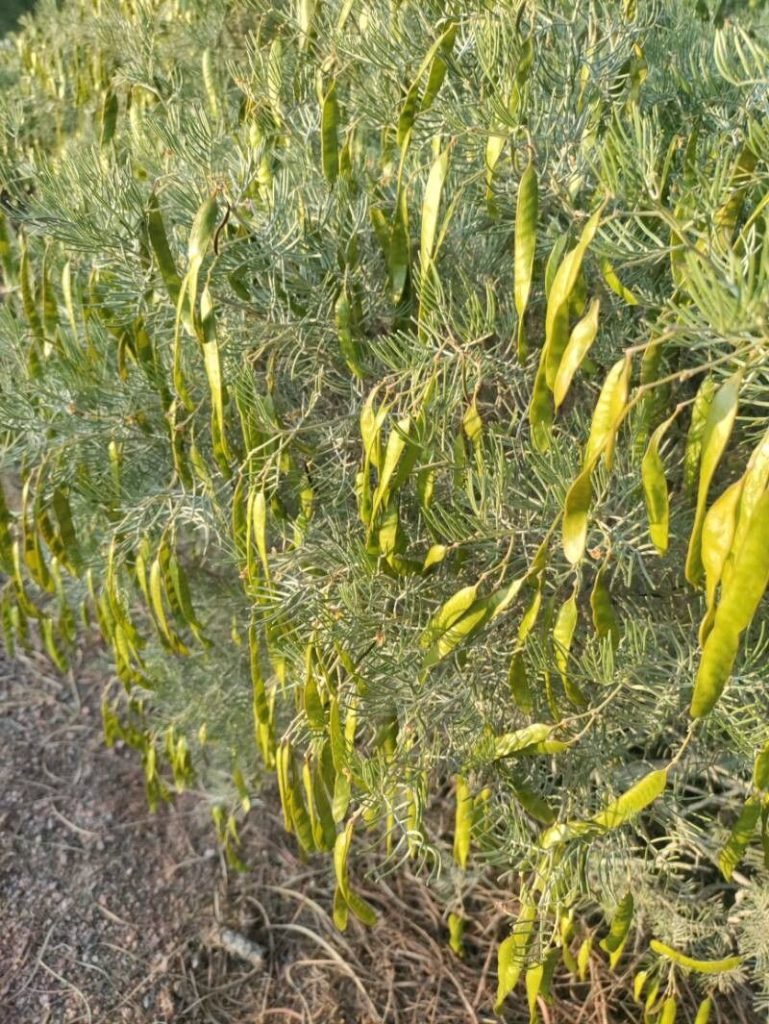
Propagating Senna artemisioides: A Guide for Garden Enthusiasts
Introduction:
Senna artemisioides, commonly known as grey senna or prickly senna, is a captivating shrub prized for its silvery-grey foliage and vibrant yellow flowers. Its drought tolerance and adaptability make it a popular choice amongst gardeners, particularly in arid and semi-arid regions. However, its propagation presents unique challenges, making successful cultivation all the more rewarding. This article explores various methods for propagating Senna artemisioides, highlighting their successes and setbacks.
Seed Germination:
Currently, there are no known reliable methods for seed germination propagation of Senna artemisioides. While seeds may be produced, their germination rate is notoriously low, and successful germination has not been consistently achieved. Further research is needed to determine if specific pretreatment techniques (such as scarification or stratification) could improve germination rates.
Cuttings:
Cuttings offer a more reliable method for propagating Senna artemisioides.
Challenges: The success rate with cuttings can be variable. Hardwood cuttings are generally preferred, though even these may require hormone treatment to stimulate root development.
Tips: Take semi-hardwood or hardwood cuttings in late summer or autumn from healthy, mature stems. Dip the cut ends in rooting hormone powder before planting them in a well-draining propagation mix (e.g., a mixture of perlite and vermiculite). Maintain a consistently moist but not soggy environment, ideally using a humidity dome or propagator. Bottom heat can also improve rooting success.
Rewards: Cuttings preserve the genetic characteristics of the mother plant, ensuring consistent quality and traits in new plants. This method is also relatively easy to manage for smaller-scale propagation.
Division:
Division is a viable propagation method for Senna artemisioides, but it’s limited by the plant’s mature size and growth habit.
Challenges: It is only feasible once the plant has established a substantial root system with multiple stems. Care must be taken not to damage the roots during the process, which could affect the survival rate of the divisions.
Tips: Divide the plant in early spring or autumn, ensuring each division retains a healthy portion of roots and stems. Plant the divisions immediately into well-prepared soil, watering thoroughly after planting.
Rewards: Division provides a quick way to increase the number of plants, especially when working with a mature, healthy specimen.
Tissue Culture:
Tissue culture offers the potential for large-scale propagation of Senna artemisioides, but it requires specialized knowledge, equipment, and facilities.
Challenges: Establishing sterile cultures and maintaining aseptic conditions throughout the process is critical. Optimising the growth media and hormonal treatments to achieve successful shoot proliferation and root induction poses a challenge. This method is expensive and time-consuming.
Tips: Success relies on expertise in plant tissue culture techniques. Identifying the optimal growth media and hormone combinations through experimentation is crucial.
Rewards: Tissue culture can produce a large number of genetically identical plants in a relatively short period, allowing for mass production and the preservation of superior genotypes.
Conclusion:
Propagating Senna artemisioides presents unique hurdles, with seed germination proving unreliable. Cuttings offer a relatively straightforward and successful method for the home gardener, while division is feasible for established plants. Tissue culture offers the possibility of large-scale propagation, but requires specialist knowledge and resources. The rewards of successfully propagating this beautiful shrub, however, are well worth the effort. The unique silvery foliage and cheerful yellow flowers that grace any garden represent the triumph over the propagation challenges, offering a deep sense of satisfaction to the dedicated gardener. Don’t be discouraged by initial setbacks; experiment with cuttings, focusing on providing optimal conditions for root development. The resilience of Senna artemisioides will eventually reward your efforts.