
Unlocking the Secrets of the Serapias Nurrica: A Propagation Guide for the Dedicated Enthusiast
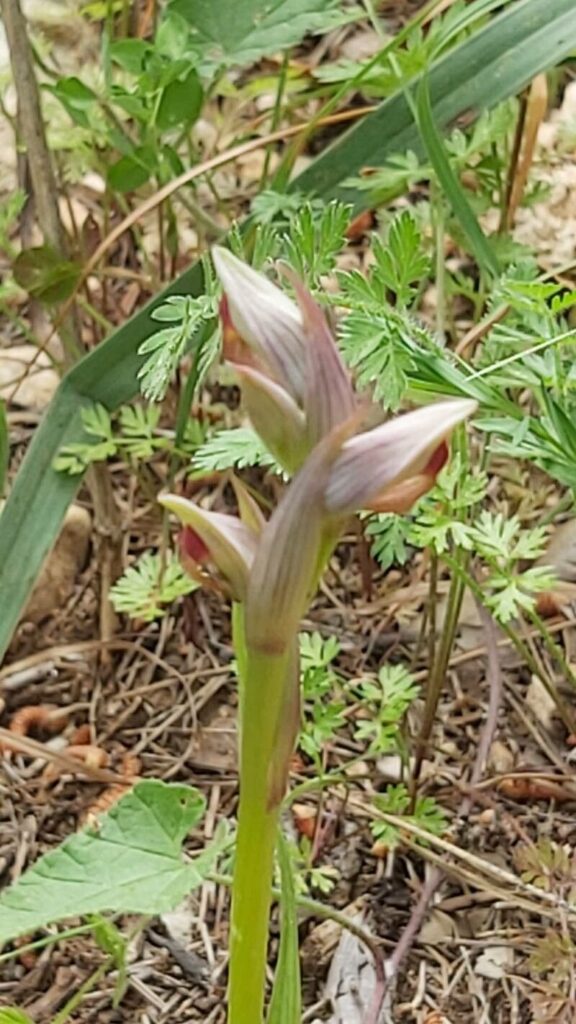
The Serapias Nurrica, with its intriguing beauty and unique charm, is not your average garden variety orchid. This terrestrial orchid, native to the Mediterranean, captivates with its hooded, crimson blooms that resemble tiny praying figures. But the allure of the Serapias Nurrica extends beyond its aesthetics; propagating this botanical gem presents a rewarding challenge for plant enthusiasts. This guide delves into the fascinating world of Serapias Nurrica propagation, providing you with the knowledge to cultivate this striking orchid.
Understanding the Serapias Nurrica
Before embarking on your propagation journey, it’s crucial to understand the life cycle of this terrestrial orchid. The Serapias Nurrica relies on a symbiotic relationship with specific mycorrhizal fungi present in the soil. These fungi provide essential nutrients for the orchid’s growth, especially during its early developmental stages. Therefore, replicating this symbiotic relationship is crucial for successful propagation.
Methods of Propagation
- Seed Propagation: A Test of Patience
Propagating Serapias Nurrica from seed is considered the most challenging method, often undertaken by seasoned growers or orchid enthusiasts. Here’s why:
- Fungal Dependency: Serapias Nurrica seeds are incredibly small and lack endosperm, the nutritive tissue found in most seeds. They rely entirely on the mycorrhizal fungi present in the soil for germination and initial growth.
- Specific Fungi Required: Identifying and introducing the correct mycorrhizal fungal species compatible with Serapias Nurrica is critical for successful germination.
- Time Commitment: Seed germination can be a lengthy process, often taking several months or even years for seedlings to emerge.
If you’re up for the challenge, seed propagation offers a deeply rewarding experience. You can purchase seeds from reputable suppliers specializing in orchids. Sowing is best done in a sterile, well-draining medium specifically formulated for orchids. Patience and meticulous care are key to success.
- Division: A More Accessible Approach:
Dividing mature Serapias Nurrica clumps provides a more accessible and reliable propagation method. However, this technique should only be performed on healthy, well-established plants. The best time for division is during the dormant season, typically after flowering.
Here’s how to divide your Serapias Nurrica:
- Careful Excavation: Gently lift the plant from its pot or the ground, ensuring minimal disturbance to the root system.
- Division: Look for natural divisions in the clump, where new growths emerge from the base. Use a sterile, sharp knife or shears to separate the clump into sections, ensuring each section has a healthy set of roots and at least one growth point.
- Repotting: Plant the divided sections in individual pots filled with a well-draining orchid mix. Ensure the new growth points are level with the soil surface.
Essential Care for Propagated Plants
Whether you’ve propagated from seed or by division, providing the right care for your Serapias Nurrica is essential for its survival:
- Well-Draining Soil: Aeration is crucial. Use a specialized orchid mix or create your own by blending bark chips, perlite, and coco coir.
- Light: Bright, indirect light is ideal, mimicking the dappled sunlight conditions of their natural habitat.
- Watering: Water thoroughly when the soil is nearly dry, allowing excess water to drain away freely. Avoid waterlogging, which can lead to root rot.
- Temperature and Humidity: Mimic their native Mediterranean climate with mild temperatures and moderate humidity levels.
The Joys of Propagation
Propagating the Serapias Nurrica is a testament to patience, dedication, and a deep appreciation for the intricate workings of nature. While challenging, the rewards are immeasurable. Imagine witnessing the emergence of a tiny seedling or witnessing a divided plant thrive in its new home – these are the joys that make propagating the Serapias Nurrica an enriching experience for any plant enthusiast.