
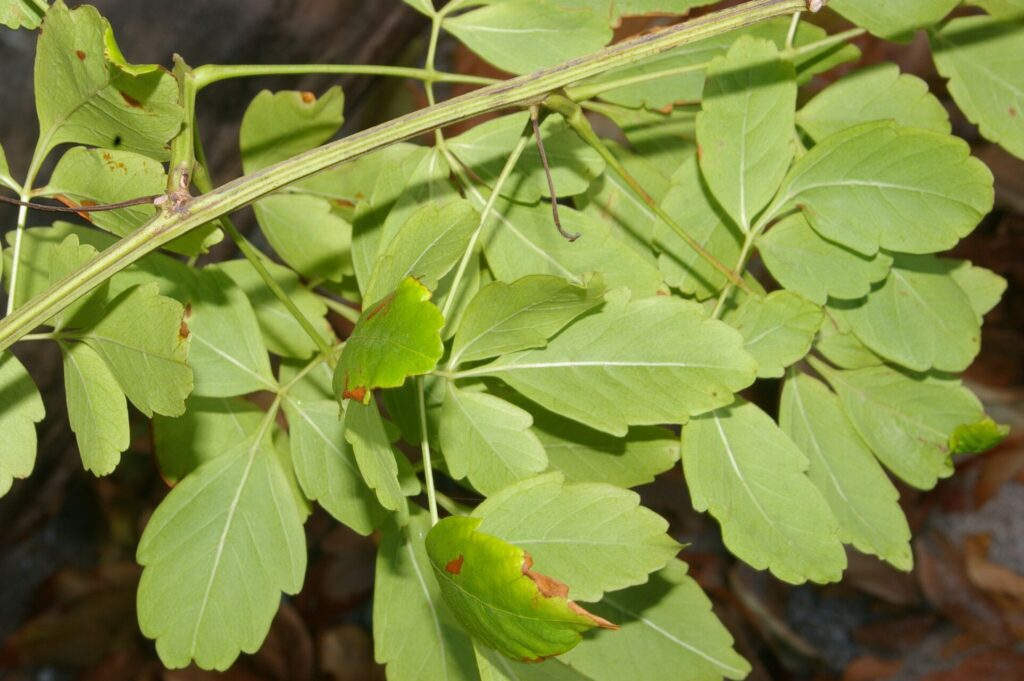
Unlocking the Secrets of Serjania atrolineata: A Propagation Guide for Stunning Foliage
Serjania atrolineata, with its delicate, lacy foliage and vigorous climbing habit, is a showstopper in any plant lover’s collection. This South American native, also known as the “Skeleton Vine” or “Black-Lined Serjania,” captivates with its intricate leaves adorned with dark, contrasting veins. While finding one for sale can be a treasure hunt in itself, propagating your own Serjania atrolineata is a rewarding endeavor that unveils the plant’s remarkable resilience.
Mastering the Art of Stem Cuttings:
The most effective method for propagating Serjania atrolineata is through stem cuttings. This technique harnesses the plant’s inherent ability to develop roots from sections of its stem. Here’s how you can achieve success:
1. Timing is Key:
Spring and early summer are the ideal periods for taking cuttings, as the plant experiences active growth during these seasons. Look for healthy, mature stems with new growth for the best chance of rooting.
2. Gearing Up for Success:
Assemble your propagation station with these essential tools:
- Sharp, sterilized pruning shears or scissors: Clean cuts prevent infections and promote healthy root development.
- Well-draining potting mix: A blend specifically designed for cuttings or a mix of peat moss and perlite provides optimal moisture retention and aeration.
- Small pots or propagation trays: Choose containers with good drainage to prevent waterlogging.
- Rooting hormone (optional): While not mandatory, rooting hormone can speed up the process.
3. Taking the Perfect Cutting:
- Identify a healthy stem and make a clean cut just below a leaf node (the point where a leaf emerges from the stem).
- Your cutting should be approximately 4-6 inches long and have at least two sets of leaves.
- Remove the bottom set of leaves to encourage root development.
4. Creating the Ideal Rooting Environment:
- Fill your chosen container with the prepared potting mix, moistening it evenly.
- Dip the cut end of your stem cutting in rooting hormone, if using, and gently insert it into the potting mix.
- Ensure the bottom node, where you removed the leaves, is buried beneath the surface.
5. Nurturing New Roots:
- Place your cuttings in a warm, bright location, but out of direct sunlight.
- Maintain a consistently humid environment by covering the pot with a clear plastic bag or using a humidity dome.
- Water the cuttings sparingly, keeping the potting mix lightly moist but not soggy.
6. The Moment of Truth:
In 4-6 weeks, your cuttings should start developing roots. You can gently tug on them to test if they’ve anchored themselves in the soil. Once rooted, gradually acclimate the cuttings to normal humidity levels before transplanting them into larger pots with well-draining soil.
Propagating Serjania atrolineata: Patience is a Virtue
Propagating this stunning plant requires patience and a gentle touch. Not every cutting will be successful, and some may take longer than others. However, the reward of witnessing new life emerge from a simple cutting is well worth the effort. With practice and attention to detail, you can cultivate a thriving collection of Serjania atrolineata, each one a testament to the beauty of plant propagation.