
Unlocking the Secrets of Sesamoides prostrata: A Propagation Guide for Beginners
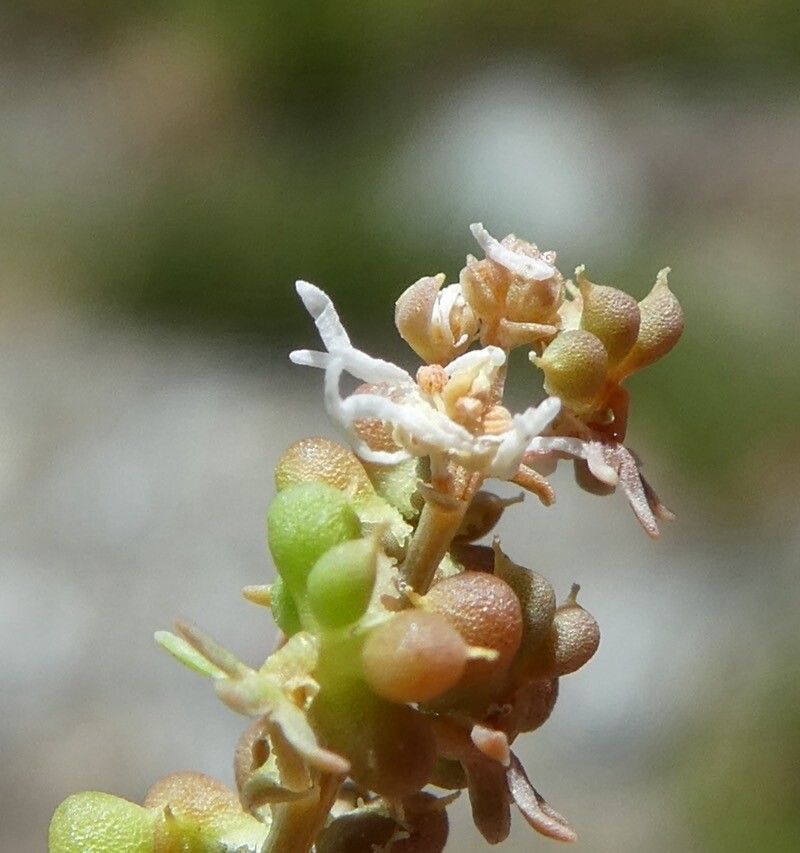
Sesamoides prostrata, with its charming, trailing stems and delicate, star-shaped flowers, is a true gem for rock gardens, hanging baskets, and even green roofs. This low-maintenance perennial, native to the Mediterranean region, boasts beautiful blooms ranging from white to soft pink, attracting pollinators like bees and butterflies. If you’re captivated by this enchanting plant and wish to expand your collection, you’re in luck! Propagating Sesamoides prostrata is surprisingly achievable, even for those new to the world of plant parenthood. Let’s delve into the secrets of multiplying this botanical beauty:
Two Paths to Propagation:
-
Seed Sowing: A Journey of Patience and Reward
While Sesamoides prostrata readily self-seeds in ideal conditions, collecting and sowing seeds yourself offers greater control and timing over new plant development. Here’s what you need to know:
- Seed Collection: As the flowers fade, keep a watchful eye out for the small, brown seed pods that emerge. Collect the pods once they turn dry and begin to split open.
- Sowing Time: Spring is the optimal time for sowing, offering warmth and sunlight essential for germination.
- Sowing Process: Use well-drained soil, either a seed starting mix or a blend designed for succulents. Lightly press the seeds onto the soil surface, barely covering them.
- Germination Conditions: Patience is key! Maintain consistent moisture, but avoid overwatering. Place the seed tray in a warm, brightly lit location, out of direct sunlight. Germination can take several weeks.
-
Cuttings: A Quicker Route to Success
Taking cuttings is the faster method and a great way to ensure you replicate the exact characteristics of your existing plant.
- Timing is everything: Spring and early summer, when the plant is actively growing, are the ideal times for taking cuttings.
- Choosing the Right Cuttings: Select healthy, non-flowering stems that are about 3-4 inches long.
- Preparing the Cuttings: With a sharp, clean knife or pair of scissors, make a cut just below a leaf node (where the leaf joins the stem). Remove the lower leaves, leaving only a few at the top.
- Encouraging Root Development: Dip the cut end of the stem in rooting hormone (optional, but helpful) and then plant it in a well-draining potting mix.
- Creating a Humid Environment: Cover the cutting with a clear plastic bag or use a propagation dome to create a humid environment, which encourages rooting.
- Rooting Time: With proper care, your cuttings should root within 4-6 weeks. Gently tug on the cutting — resistance indicates successful rooting!
Nurturing Your New Progeny:
Once your seedlings or cuttings have developed a robust root system, they are ready to be transplanted into individual pots or directly into your garden. Remember:
- Well-drained soil is crucial: Use a soil mix designed for succulents or amend your garden soil with sand or grit to improve drainage.
- Sunlight is key: Sesamoides prostrata thrives in full sun to partial shade.
- Water wisely: Allow the soil to dry out slightly between waterings. This plant is drought-tolerant once established.
Whether you choose the path of seeds or cuttings, propagating Sesamoides prostrata is a deeply rewarding experience. With a little patience and care, you’ll soon be enjoying an abundance of these charming plants, adding beauty and charm to your outdoor spaces for years to come.