
Seeding Success: The Easy Guide to Growing Sesbania Bispinosa from Seed
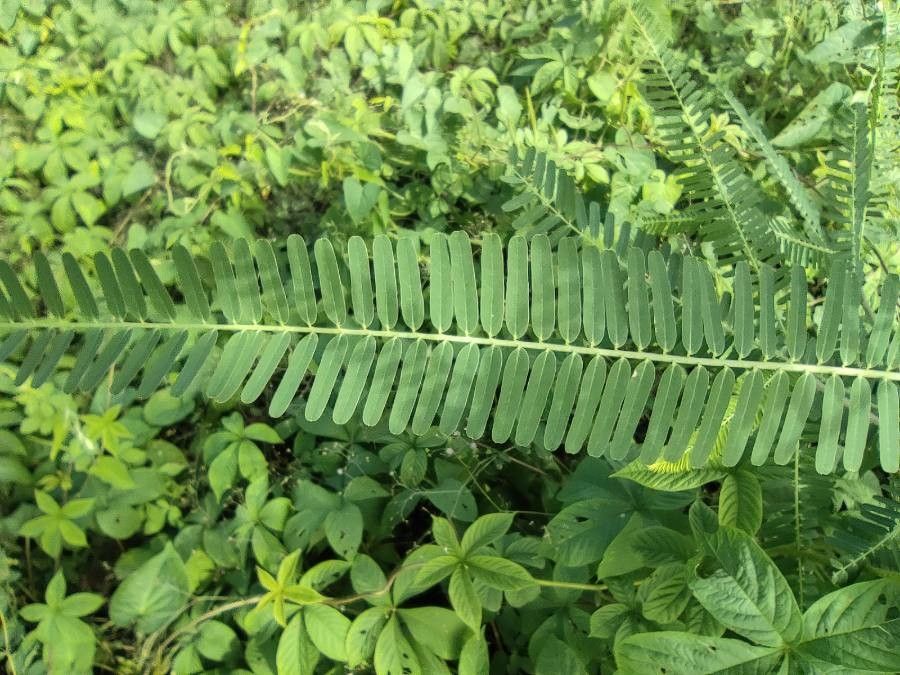
Sesbania bispinosa, also known as prickly sesban or canicha, is a remarkable plant with a diverse range of uses. This fast-growing legume boasts beautiful feathery leaves and delicate yellow flowers, making it an attractive addition to gardens. But its appeal goes beyond aesthetics! Sesbania bispinosa is a nitrogen-fixer, meaning it improves soil fertility, making it a favorite among eco-conscious gardeners. Ready to invite this versatile plant into your life? Luckily, propagating Sesbania bispinosa from seed is a surprisingly simple process. Let’s delve into the step-by-step guide:
1. Seed Collection and Preparation:
- Sourcing Seeds: Sesbania bispinosa produces long pods filled with small, brown seeds. You can collect these pods directly from mature plants when they turn brown and dry. Alternatively, purchase seeds from reputable online or local nurseries.
- Seed Scarification (Optional): Sesbania bispinosa seeds have a hard outer coating. While not essential, scarification can help speed up germination. Gently rub the seeds between two pieces of sandpaper to slightly roughen the surface.
2. Sowing Your Seeds:
- Timing is Key: Being a warm-season plant, sow Sesbania bispinosa seeds after the last frost has passed and the soil has warmed up.
- Choosing the Right Location: Pick a sunny location in your garden that receives at least 6 hours of direct sunlight daily.
- Soil Preparation: Sesbania bispinosa prefers well-drained soil. Before sowing, loosen the soil with a garden fork and amend it with compost or well-rotted manure to enhance drainage and fertility.
- Sowing Depth: Plant the seeds about ½ to 1 inch deep in the soil, spacing them 12-18 inches apart. If sowing in rows, leave 2-3 feet between each row.
- Watering: Gently water the area after sowing, ensuring the soil is moist but not waterlogged.
3. Nurturing your Sesbania Bispinosa:
- Regular Watering: Maintain consistent moisture, especially during the germination period, which typically takes 1-2 weeks. Once established, the plants are relatively drought-tolerant but benefit from watering during prolonged dry spells.
- Weed Control: Keep the area around your seedlings free from weeds to prevent competition for nutrients and light.
- Fertilizer (Optional): While Sesbania bispinosa can fix nitrogen from the air, you can apply a balanced fertilizer once a month during the growing season for an extra boost.
4. Harvesting and Beyond:
- Enjoying the Blooms: Depending on your location, Sesbania bispinosa typically flowers in late spring to early fall, producing beautiful yellow blooms.
- Collecting Seeds: Allow some seed pods to dry completely on the plant if you wish to collect seeds for the next growing season.
- End-of-Season Care: As a warm-season annual, Sesbania bispinosa will die back with the first frost. Clear away any remaining plant debris at the end of the growing season.
Beyond the Garden:
Sesbania bispinosa holds incredible value beyond its beauty and ease of growth. Its uses are remarkably diverse:
- Green Manure: Incorporate it into your garden soil as green manure to boost nitrogen levels and improve soil structure.
- Animal Fodder: The leaves and young shoots of Sesbania bispinosa are a valuable source of protein-rich fodder for livestock.
- Erosion Control: Its extensive root system makes it effective in preventing soil erosion, especially in areas prone to flooding.
Cultivating Sesbania bispinosa from seed is a rewarding experience for both novice and seasoned gardeners. Its ease of propagation, combined with its ecological benefits and ornamental appeal, makes it a truly exceptional plant. So why not give it a try? Start sowing today and reap the countless benefits of this incredible plant!