
Propagating Sesbania drummondii: A Gardener’s Guide to the Drummond’s Coffee Bean
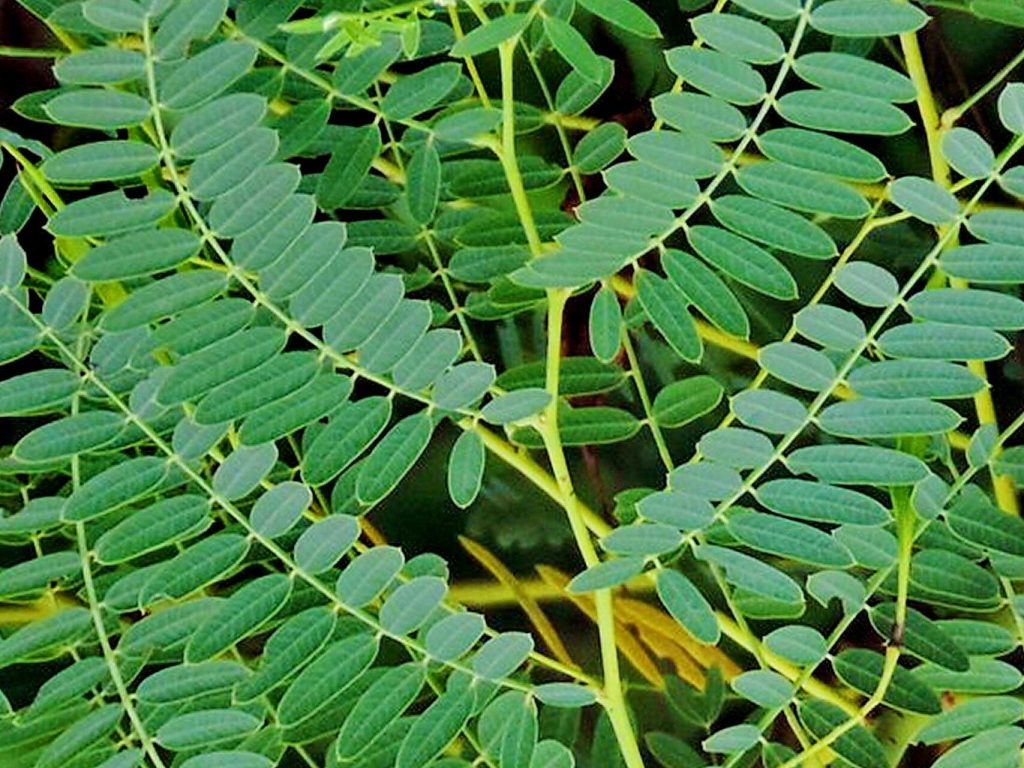
Sesbania drummondii, commonly known as Drummond’s coffee bean or coffee bean tree, is a charming, relatively fast-growing legume native to the southwestern United States and Mexico. Its delicate, bright green foliage and attractive, pea-like flowers make it a popular choice among gardeners, particularly those appreciating its drought tolerance and ability to attract pollinators. However, propagating this striking plant can present unique challenges. This article explores various methods, highlighting both the difficulties and rewards involved.
Seed Germination:
Seed germination of Sesbania drummondii presents significant challenges. While seeds are produced abundantly, their dormancy is often deep and inconsistent. Germination rates are typically low, even under optimal conditions.
Challenges: Hard seed coat, variable dormancy levels, susceptibility to fungal diseases during germination.
Tips: Scarification (nicking the seed coat with sandpaper or a file) may improve germination success. Soaking seeds in warm water for 24-48 hours before sowing can also help. Using a well-draining seed starting mix and maintaining consistently moist (but not waterlogged) conditions is crucial. Consider using a fungicide to prevent damping-off.
Rewards: While challenging, successful seed germination offers the advantage of high genetic diversity within the resulting plants. This allows for potential large-scale propagation projects, particularly valuable for conservation efforts.
Cuttings:
Propagating Sesbania drummondii via cuttings presents a more reliable method than seed germination.
Challenges: Success varies greatly depending on the time of year (best results during warmer months), the type of cutting used (semi-hardwood cuttings generally work best), and the use of rooting hormone. Maintaining high humidity and avoiding fungal infections are essential.
Tips: Take semi-hardwood cuttings (6-8 inches long) from healthy, non-flowering stems. Remove lower leaves and dip the cut ends in rooting hormone before planting in a well-draining potting mix. Cover the cuttings with a plastic bag or humidity dome to maintain a high humidity environment. Ensure good air circulation to prevent fungal diseases.
Rewards: Cuttings offer a quicker propagation method compared to seeds with higher success rates. This method maintains the desirable traits of the parent plant, guaranteeing uniformity.
Division:
Division is generally not a viable method for propagating Sesbania drummondii. The plant’s root system is not easily divided and often suffers damage during attempts at separation.
Tissue Culture:
This sophisticated technique offers a more controlled environment for propagation.
Challenges: Requires specialized equipment, sterile lab conditions, and expertise in tissue culture techniques. It’s a more expensive and labor-intensive method than seed or cuttings.
Tips: It involves establishing sterile cultures from small plant sections and growing them in nutrient media. Specialized knowledge and equipment are essential for success. This method can be adapted for mass production.
Rewards: Tissue culture guarantees disease-free plantlets and allows for rapid multiplication of valuable genotypes.
Conclusion:
Propagating Sesbania drummondii presents unique challenges across all methods explored. While seed germination holds the promise of genetic diversity, its low success rates make it less practical for most gardeners. Cuttings offer a more reliable approach, providing a faster and more consistent method of propagation. Division is impractical, and tissue culture, while technologically advanced, requires specialized resources and expertise. However, the satisfaction of nurturing a Drummond’s coffee bean from a cutting, or even from a germinated seed, is deeply rewarding. The perseverance required to overcome the propagation hurdles mirrors the robust nature of the plant itself, ultimately providing a sense of accomplishment that transcends the challenges involved. For aspiring propagators, patience, meticulous attention to detail, and a willingness to experiment are key to success. Remember the importance of providing adequate drainage, monitoring for diseases, and creating a humid environment where needed. The unique beauty and drought tolerance of Sesbania drummondii make the effort well worth it.