
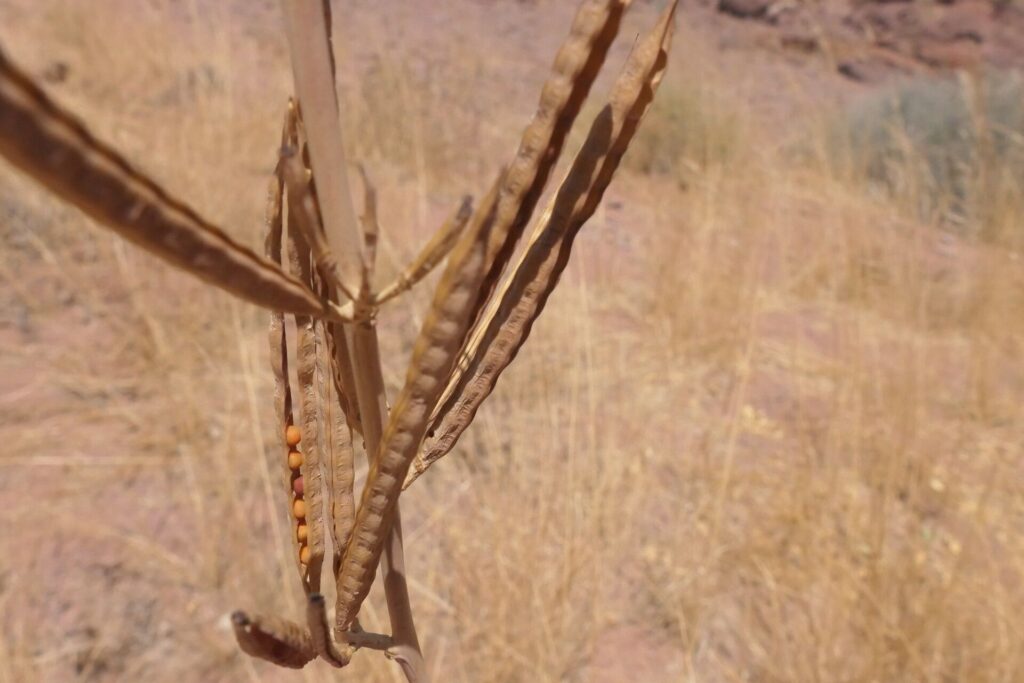
Propagating Sesbania sphaerocarpa: A Guide for the Determined Gardener
Sesbania sphaerocarpa, also known as the ball-fruited sesbania or riverhemp, is a fast-growing, nitrogen-fixing tree valued for its ecological benefits and ornamental appeal. Its attractive, delicate foliage and striking seed pods make it a desirable addition to gardens and landscapes, especially in warmer climates. However, propagating this species presents unique challenges. Its popularity among gardeners, however, is tempered by the difficulties encountered in propagation. This guide explores various methods, detailing both the hurdles and rewards.
Seed Germination:
Seed germination is a viable method for propagating Sesbania sphaerocarpa, although it presents several challenges. The primary obstacle is seed dormancy. The hard seed coat inhibits water uptake, preventing germination. To overcome this:
- Scarification: Mechanically scarifying the seed coat is crucial. This can be achieved by gently nicking the seed coat with a file or sandpaper, being careful not to damage the embryo. Alternatively, soaking seeds in concentrated sulfuric acid for a short period (30-60 seconds) can effectively weaken the seed coat. Detailed timing should be researched based on seed source and specific conditions.
- Soaking: After scarification, soak the seeds in warm water for 12-24 hours to further soften the seed coat and initiate imbibition.
- Sowing: Sow the seeds directly into well-draining seed starting mix, burying them about twice their diameter. Maintain consistently moist (but not waterlogged) conditions and a warm temperature (20-25°C).
- Challenges: Even with scarification and soaking, germination rates can be inconsistent. Fungal diseases can also be a problem in moist conditions.
- Rewards: Successful seed germination offers the advantage of high genetic diversity, allowing for a wider range of plant characteristics and potential resilience to diseases. It is also a cost-effective method for large-scale propagation.
Cuttings:
Propagating Sesbania sphaerocarpa from cuttings is possible, but success rates are generally lower than with seed propagation.
- Technique: Take semi-hardwood cuttings (about 10-15cm long) from new growth in late spring or early summer. Remove lower leaves to prevent rotting and dip the cut ends in a rooting hormone solution. Plant the cuttings in a well-draining potting mix and maintain high humidity using a propagator or plastic bag.
- Challenges: Cuttings are prone to fungal diseases and can suffer from slow rooting.
- Rewards: Cuttings offer a faster way to propagate desirable traits from a specific parent plant, ensuring the new plants are genetically identical to the mother plant.
Division:
Division is not a practical method for propagating Sesbania sphaerocarpa. This species typically develops a robust single taproot, making division difficult and likely to cause severe damage to the parent plant.
Tissue Culture:
Tissue culture offers a potential, albeit technically complex, method for the large-scale propagation of Sesbania sphaerocarpa.
- Technique: This method requires specialized laboratory equipment and expertise. Sterile conditions are essential. Explant tissues from healthy, young plants are cultured on nutrient media under controlled environmental conditions.
- Challenges: Tissue culture techniques require specialized knowledge, equipment, and aseptic facilities. It can also be costly.
- Rewards: Tissue culture allows for the rapid multiplication of a select genotype and offers the potential for disease-free plants.
Conclusion:
Propagating Sesbania sphaerocarpa presents unique and significant challenges irrespective of the chosen method. While seed germination offers the potential for large-scale propagation and genetic diversity, it requires careful scarification and management of fungal diseases. Cuttings offer a faster route to replicate desirable phenotypes, but success rates are generally lower due to rooting difficulties and the increased risk of disease. Division is impractical. Tissue culture provides a high-multiplication potential but requires advanced expertise and substantial investment.
The satisfaction derived from successfully cultivating Sesbania sphaerocarpa, despite the challenges involved, is immeasurable. The beauty of the mature tree and the knowledge that you have overcome the hurdles of propagation makes it a rewarding endeavor for any determined gardener. Persistence and attention to detail significantly improve your chances of success; don’t be discouraged by initial setbacks. With patience and a willingness to experiment, you can enjoy this beautiful and ecologically beneficial species in your garden.