
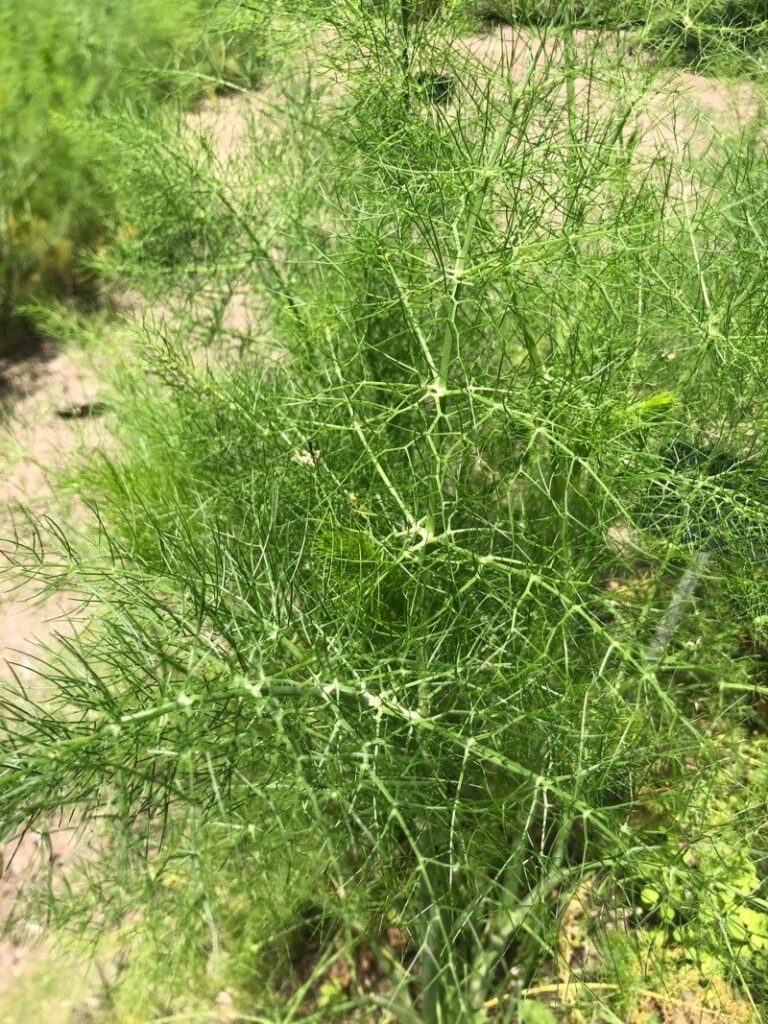
Taming the Wild Beauty: Propagating Seseli cantabricum
Seseli cantabricum, with its delicate umbels of white flowers and feathery foliage, brings a touch of wild charm to any garden. Native to the mountainous regions of Spain, this hardy perennial thrives in well-drained soil and sunny locations. While readily available in nurseries specializing in alpine or rock garden plants, propagating Seseli cantabricum allows enthusiasts to expand their collection and share the joy of this unique plant.
Two Paths to Propagation:
1. Seed Sowing:
For those who enjoy the journey from seed to bloom, propagating Seseli cantabricum from seed is a rewarding experience.
- Timing is Key: Sow seeds in late winter or early spring, ideally 6 to 8 weeks before the last expected frost. This provides ample time for the seedlings to establish themselves before the summer heat.
- Simulate Nature: Seseli cantabricum seeds benefit from a period of cold stratification to mimic their natural environment. You can achieve this by either sowing seeds directly outdoors in prepared seed beds or by cold-stratifying them indoors.
- Outdoors: Choose a location with well-drained soil and sow seeds lightly, covering them with a thin layer of soil.
- Indoors: Mix seeds with damp vermiculite or sand and place the mixture in a sealed plastic bag in the refrigerator for 4-6 weeks.
- Patience is a Virtue: Germination can be slow and erratic, sometimes taking up to two months. Keep the seedbed consistently moist but not waterlogged.
- Transplant Time: Once the seedlings have developed a few sets of true leaves, transplant them into individual pots or into their desired location in the garden.
2. Division:
For a quicker and more predictable method, division offers an efficient way to propagate established Seseli cantabricum plants.
- When to Divide: Divide established plants in spring or early fall when the weather is cool and the soil is workable.
- Dig Deep: Carefully lift the entire plant from the ground, ensuring that you dig a wide enough circle to minimize root disturbance.
- Divide and Conquer: Using a sharp, clean knife or garden shears, divide the plant into sections, each containing a healthy portion of roots and shoots.
- Replant and Water: Replant the divisions at the same depth they were originally growing. Water them thoroughly to encourage establishment.
Caring for Your New Additions:
Whether you choose to propagate Seseli cantabricum from seed or division, providing the right conditions is key to their success:
- Sun Seekers: Choose a location that receives at least six hours of direct sunlight per day.
- Drainage is Crucial: Plant in well-drained soil, amending heavy clay soils with compost or grit to improve drainage.
- Water Wisely: While Seseli cantabricum is relatively drought-tolerant once established, consistent watering is essential, especially during the first year.
- Deadheading Delight: Deadhead spent flowers regularly to encourage bushier growth and prevent self-seeding.
Propagating Seseli cantabricum, while requiring some patience and care, is a truly rewarding endeavor. By embracing these methods, you can cultivate this captivating wildflower and bring its exquisite beauty to your garden for years to come.