
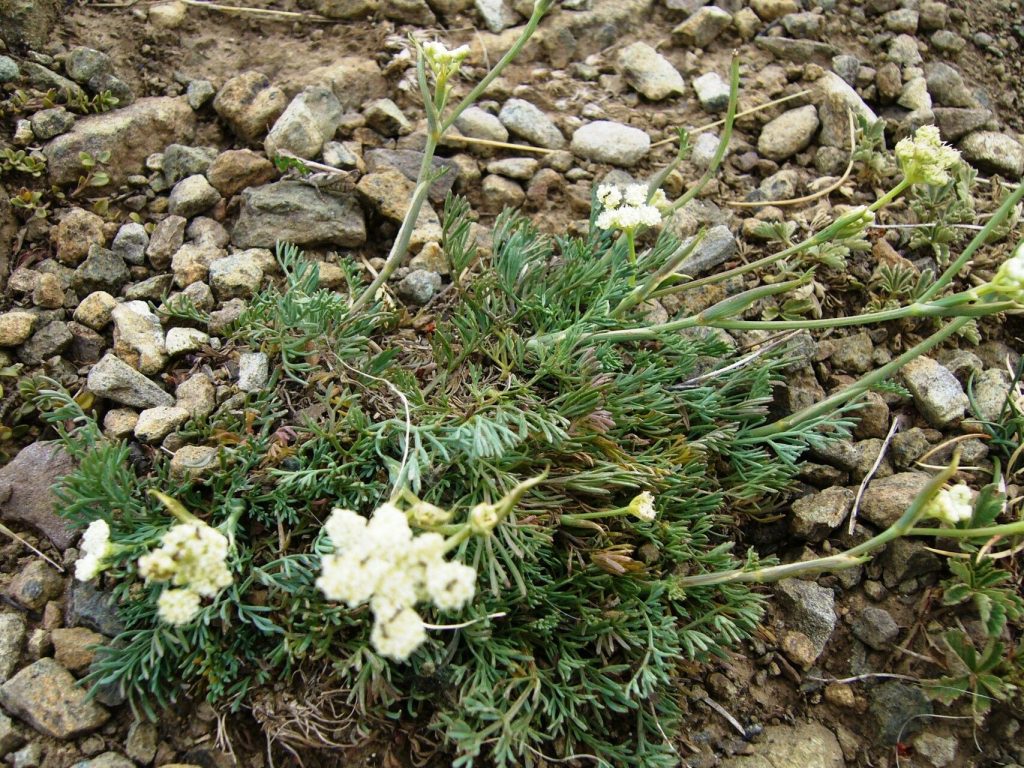
Propagating Mountain Stone Parsley (Seseli hippomarathrum): A Gardener’s Guide
Introduction:
Seseli hippomarathrum, commonly known as Mountain Stone Parsley, is a striking herbaceous perennial prized for its finely textured, ferny foliage and elegant umbels of small, white flowers. Native to mountainous regions, this drought-tolerant plant adds a touch of ethereal beauty to rock gardens, gravel gardens, and even well-drained borders. Its popularity among gardeners stems from its low-maintenance nature and its ability to thrive in challenging environments. However, propagating Seseli hippomarathrum can present unique hurdles, making successful cultivation all the more rewarding.
Seed Germination:
Currently, there are no known reliable methods for seed germination propagation of Seseli hippomarathrum. While seeds may be produced, their germination rate is reportedly extremely low, and success remains largely anecdotal. Further research is needed to determine optimal germination conditions, including potential stratification requirements or the use of specific germination stimulants.
Cuttings:
Propagating Seseli hippomarathrum from cuttings presents a more promising approach than seed germination.
Challenges: Root formation from cuttings can be slow and inconsistent. The success rate depends heavily on the timing (best taken in spring or early summer), the health of the parent plant, and the precision of the cutting techniques.
Practical Tips: Take semi-hardwood cuttings, approximately 4-6 inches long, from non-flowering stems. Remove lower leaves to prevent rotting, and dip the cut ends in rooting hormone before planting in a well-draining propagation mix. Maintain high humidity (e.g., using a humidity dome or propagating case) and keep the cuttings in a warm, bright location that is protected from direct sunlight.
Rewards: Cuttings offer a potentially faster method of propagation compared to other techniques and allow for the replication of desirable traits from a selected parent plant.
Division:
Division is a viable propagation method for established Seseli hippomarathrum plants.
Challenges: The plant forms a relatively compact root system, making division difficult without damaging the roots. Overly aggressive division can weaken or kill the parent plant.
Practical Tips: Division is best undertaken in spring or early autumn. Carefully dig up the entire plant, gently separating the root crown into smaller sections, each possessing viable roots and shoots. Replant the divisions promptly, ensuring adequate spacing to allow for growth.
Rewards: Division is a relatively simple method, offering a quick way to increase the number of plants, while maintaining the genetic characteristics of the parent plant.
Tissue Culture:
While tissue culture has proven successful for many plant species, this method has not yet been widely documented or tested for Seseli hippomarathrum.
Challenges: The development of a reliable tissue culture protocol for this species requires specialized laboratory equipment and expertise. Determining the optimal media and growth regulators would be essential for successful propagation.
Practical Tips: If attempting tissue culture, research existing protocols for closely related species within the Apiaceae family could provide a starting point for experimentation.
Rewards: Tissue culture offers the potential for large-scale, rapid propagation and the elimination of disease. However, it’s generally expensive and requires specialized expertise.
Conclusion:
Propagating Seseli hippomarathrum presents some unique challenges. While seed germination appears unreliable, cuttings and division are more promising methods. Tissue culture offers theoretical advantages but remains unexplored. The rewards, however, are well worth the effort. Successfully cultivating this elegant plant from a cutting or through division provides a profound sense of accomplishment. The delicate ferny foliage and ethereal blooms are a testament to the patience and skill involved in its propagation, making each plant a prized addition to any garden. Aspiring propagators should embrace the challenges, experiment with the available methods, and appreciate the journey as much as the final result. Don’t be discouraged by initial setbacks – persistence and careful observation are key to success.