
Propagating Seseli leucospermum: A Gardener’s Challenge and Reward
Introduction:
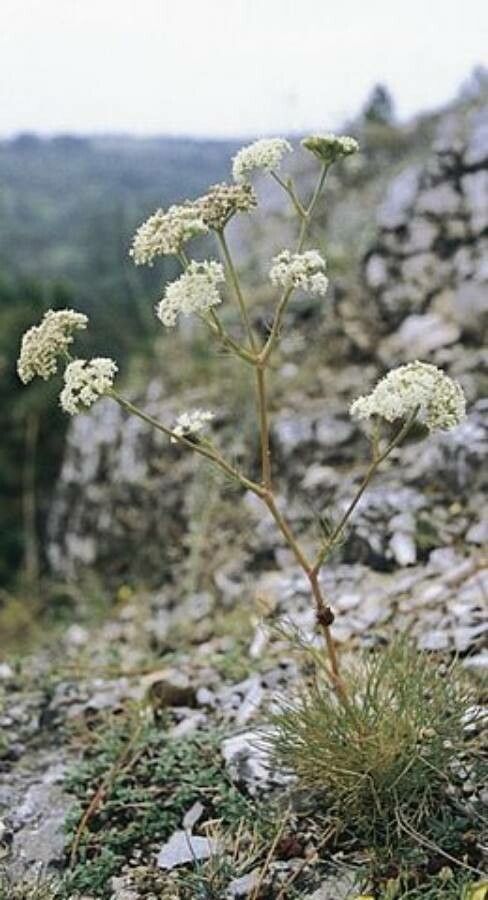
Seseli leucospermum, commonly known as white turpentine parsley, is a striking umbelliferous plant prized for its delicate, lacy foliage and attractive umbels of small white flowers. Its airy, almost ethereal appearance makes it a popular choice among gardeners seeking to add textural interest and a touch of wild elegance to their borders or rock gardens. While its beauty is captivating, propagating Seseli leucospermum presents unique challenges that require patience and careful technique. Unlike some readily propagated plants, its propagation isn’t straightforward, and successful outcomes often depend on meticulous attention to detail. This article explores the various methods available, highlighting their successes and limitations.
Seed Germination:
Currently, there are no known reliable methods for seed germination propagation of Seseli leucospermum. Although seeds may be produced, germination rates are reportedly extremely low, often resulting in negligible success even with pre-treatment techniques. Further research is needed to determine optimal conditions for seed germination of this species.
Cuttings:
Propagating Seseli leucospermum from cuttings presents a more viable, albeit still challenging, option.
Challenges: Cuttings are prone to rotting if not kept in consistently moist but well-drained conditions. The success rate can be low, and rooting takes time.
Practical Tips: Softwood cuttings taken in late spring or early summer offer the best chance of success. Dip the cut ends in rooting hormone before planting in a well-draining seed-starting mix. Maintain high humidity using a propagator or plastic bag (ensure adequate ventilation to prevent fungal diseases). Consistent moisture and bright, indirect light are crucial.
Rewards: Cuttings allow for the propagation of specific desirable traits of a chosen mother plant, maintaining uniformity in future generations. While time-consuming, this method avoids the uncertainties associated with seed germination.
Division:
Division, separating established plants into smaller, independent units, is another potential propagation method for Seseli leucospermum.
Challenges: Seseli leucospermum often has a relatively shallow, fibrous root system, making it somewhat fragile during division. Damage to the roots can significantly hinder the survival and establishment of the divided plants. The plant may also be slow to recover after disturbance.
Practical Tips: Division is best performed in spring or early fall, when the plant is actively growing but not under stress from extreme heat or cold. Carefully dig up the plant, gently separating smaller clumps using a sharp knife or spade. Ensure each division contains sufficient roots and foliage. Replant the divisions immediately, providing ample moisture until they establish.
Rewards: Division provides a quick way to increase the number of plants from established specimens. It offers a higher success rate than seed germination and may be quicker than cuttings.
Tissue Culture:
Tissue culture is a sophisticated method that could potentially offer a solution to the challenges of propagating Seseli leucospermum.
Challenges: Establishing appropriate tissue culture protocols for this species requires specialized knowledge and laboratory facilities. It’s a costly and time-consuming method requiring expertise in sterile techniques and plant hormone regulation.
Practical Tips: If attempting tissue culture, research protocols for closely related species within the Apiaceae family might provide a starting point. However, adapting these protocols to Seseli leucospermum would likely necessitate extensive experimentation.
Rewards: Tissue culture has the potential for large-scale propagation and the production of disease-free plants. This method offers the greatest potential for genetic preservation and future plant breeding.
Conclusion:
Propagating Seseli leucospermum presents several challenges, with cuttings offering the most reliable approach among the methods discussed. While seed germination currently seems unproductive, and division requires care, the rewards of successfully cultivating this beautiful plant are significant. The unique texture and charm of Seseli leucospermum make the effort of propagation truly worthwhile. Aspiring propagators should approach this task with patience, meticulous attention to detail and a willingness to experiment – the satisfaction of successfully nurturing a new plant from a cutting or divided clump is a testament to the dedication and skill invested. Remember that observing the plant’s growth habits within your specific environment is key to optimizing your propagation technique.