
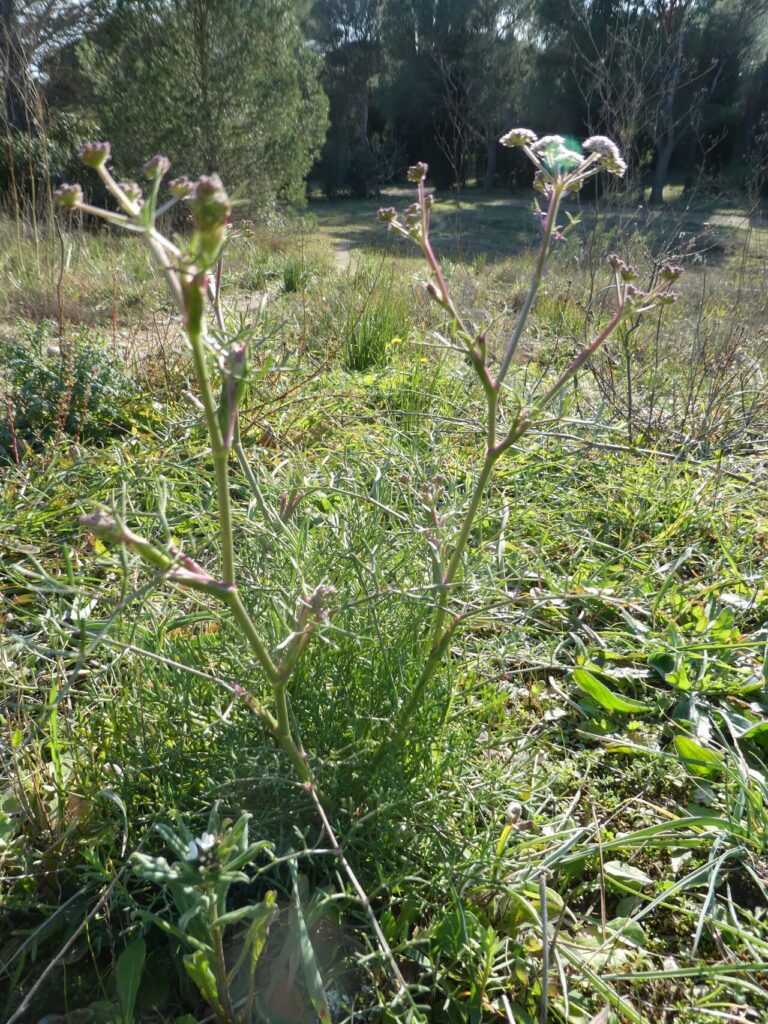
Unlocking the Secrets of Seseli Tortuosum: A Guide to Propagation
Seseli tortuosum, with its intricate, twisting stems and delicate white blooms, might seem like a plant reserved for experienced gardeners. However, don’t let its unique appearance intimidate you! Propagating this Mediterranean gem is entirely achievable, even for beginners.
This guide explores the two most common methods for propagating Seseli tortuosum:
1. Seed Propagation: A Journey of Patience and Reward
Seed propagation, while requiring a slightly longer wait, allows you to experience the full lifecycle of this fascinating plant. Here’s a step-by-step breakdown:
Timing is Key: Sow Seseli tortuosum seeds in the spring, ideally after the last frost.
Preparing the Seedbed: Choose a well-draining seed starting mix and moisten it thoroughly. Sow the seeds thinly, pressing them gently into the soil but avoiding burying them too deep.
Light and Warmth: Place the seed tray in a bright location, but out of direct sunlight. Aim for a temperature of around 20-25°C (68-77°F) for optimal germination.
Patience is a Virtue: Germination can be slow, taking anywhere from 2 to 4 weeks. Keep the soil consistently moist but not waterlogged during this time.
Transplanting Triumph: Once the seedlings have developed a couple of true leaves, they’re ready to be transplanted into individual pots or directly into the garden after hardening them off.
2. Cuttings: A Shortcut to Success
For quicker results and replicas of the parent plant, taking cuttings is the way to go:
The Right Cut: Take softwood cuttings, ideally 4-6 inches long, from the tips of healthy, non-flowering stems in late spring or early summer.
Preparing the Cutting: Remove the bottom leaves from the cutting, leaving only a few at the top. Dip the cut end in rooting hormone (optional but recommended) to encourage root development.
Potting and Rooting: Plant the cuttings in a mixture of peat moss and perlite or a well-draining potting mix. Keep the cuttings moist and cover the pot with a plastic bag to create a humid environment.
Root Development: Keep the cuttings in a bright location, out of direct sunlight. It will take approximately 4-6 weeks for roots to establish.
Transplanting Time: Once the cuttings show signs of new growth and have developed a strong root system, they are ready to be transplanted into larger containers or outdoors.
Seseli Tortuosum: Thriving in its New Home
No matter which propagation method you choose, keep these care tips in mind to help your Seseli tortuosum flourish:
- Well-Drained Soil: Seseli tortuosum prefers well-drained soil. Amending the soil with sand or grit can improve drainage.
- Sunlight Requirements: Provide your plants with at least 6 hours of sunlight daily.
- Water Wisely: Water deeply but infrequently, allowing the soil to dry out between waterings to prevent root rot.
- Minimal Fertilizer: Seseli tortuosum doesn’t require heavy feeding. A light application of organic fertilizer in the spring is sufficient.
Propagating Seseli tortuosum is a rewarding experience. Whether you savor the journey from seed to bloom or enjoy the quicker success of cuttings, this intriguing plant is sure to add a touch of Mediterranean charm to your garden.