
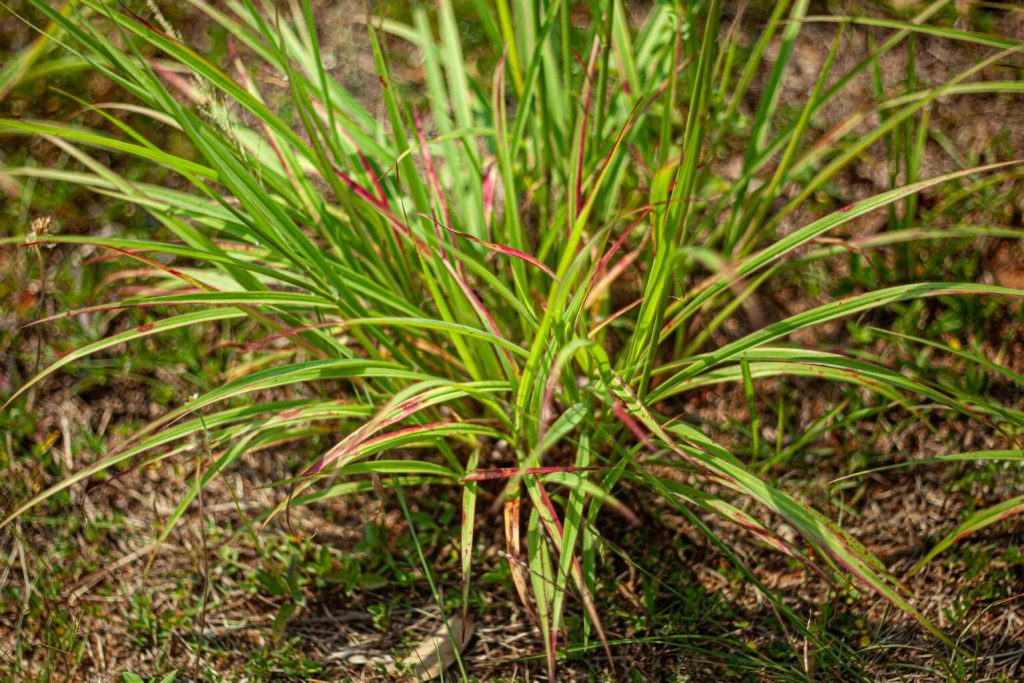
Propagating Setaria parviflora: A Grazier’s Gold
Setaria parviflora, commonly known as small-flowered bristlegrass, is a humble yet significant grass species. While not a showy ornamental, it holds considerable horticultural significance as a valuable forage crop, prized for its nutritious qualities and tolerance of various conditions. Its adaptability and rapid growth make it a popular choice among graziers and those seeking robust ground cover. Despite its widespread utility, propagating Setaria parviflora presents unique challenges, requiring a nuanced approach.
Seed Germination:
Currently, there are no known reliable methods for seed germination propagation of Setaria parviflora. While seeds are produced, germination rates are notoriously low and unpredictable under standard conditions. Further research is needed to identify specific germination requirements, such as optimal temperature, light exposure, and pre-treatment strategies (e.g., scarification or stratification). The lack of consistent seed germination severely limits large-scale propagation efforts via this method.
Cuttings:
Propagating Setaria parviflora via cuttings presents moderate challenges. While stem cuttings are theoretically possible, success rates are highly variable and dependent on several factors.
-
Challenges: The rooting hormone requirements and optimal humidity levels for successful root development are still largely unknown. Cuttings are also susceptible to fungal diseases if not managed properly in a humidity-controlled environment.
-
Practical Tips: Experimentation is crucial. Using rooting hormone, misting frequently to maintain high humidity, and ensuring a well-draining substrate are advisable. Taking cuttings from actively growing shoots and selecting healthy, disease-free material is equally important.
-
Rewards: Successful propagation by cutting can lead to faster establishment than division and offers a simpler approach compared to tissue culture, particularly with limited resources.
Division:
Division is arguably the most reliable method for propagating Setaria parviflora.
-
Challenges: This method, while successful, is relatively slow and limited by the size of the existing clump. Division requires careful handling to avoid damaging the root system, hindering the plant’s growth.
-
Practical Tips: The best time to divide is during the active growing season, typically spring or early summer. Divide larger clumps into smaller sections, each with a good amount of established root system. Plant the divisions immediately to reduce stress and improve survival rates.
-
Rewards: Division ensures the preservation of existing genetic material and allows for a relatively rapid increase in the number of plants. This is the safest approach for maintaining plant traits.
Tissue Culture:
Tissue culture offers the potential for large-scale and highly efficient propagation of Setaria parviflora.
-
Challenges: This method requires specialized equipment, sterile conditions, and expertise in plant tissue culture techniques. Establishing the optimal media and hormonal balance for successful shoot multiplication and root induction may require significant experimentation. The costs associated with setting up and maintaining a tissue culture lab can be high.
-
Practical Tips: Consult existing literature on grass tissue culture to identify suitable protocols. Begin with small-scale experiments before scaling up to larger operations. Collaborate with researchers or laboratories experienced in plant tissue culture.
-
Rewards: Tissue culture offers the highest potential for rapid propagation, disease elimination, and the production of large quantities of genetically identical plants, making it very useful for research purposes.
Conclusion:
Propagating Setaria parviflora presents several challenges, with seed germination being largely unfeasible using currently understood methods. Division offers the most practical approach for small-scale propagation, while cuttings can contribute to some level of increase. Tissue culture holds the most promise for large-scale multiplication but demands specialized knowledge and resources. Despite the difficulties, the rewards of cultivating this resilient and valuable grass are well worth the effort. The unique satisfaction of successfully propagating Setaria parviflora, whether through meticulous division or successfully navigating the complexities of tissue culture, speaks to the grower’s perseverance and passion for nurturing life, even in the humblest of plants. Don’t be discouraged by the challenges; careful planning, patience, and experimentation will ultimately lead to success.