
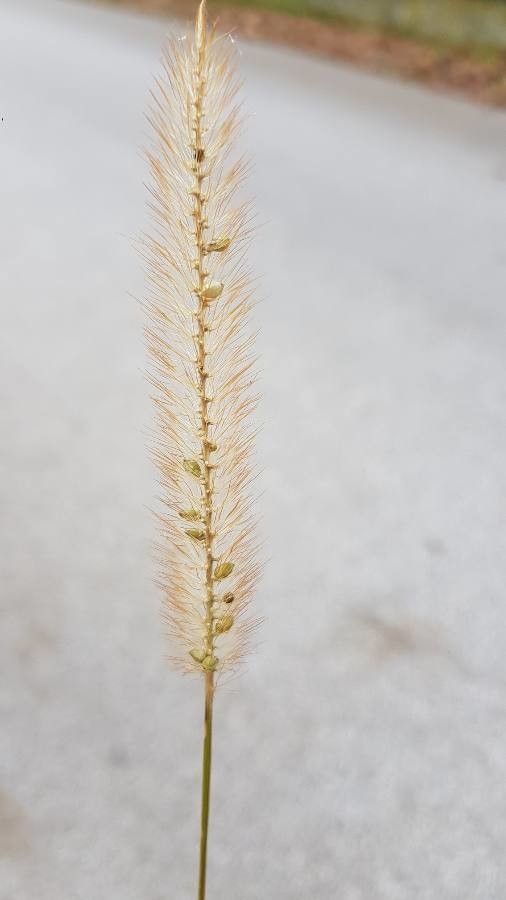
Taming the Wild: Propagating Yellow Foxtail (Setaria pumila)
Yellow foxtail (Setaria pumila) – for gardeners, it conjures images of an invasive weed, a relentless invader of pristine flower beds. But did you know this ubiquitous grass can also be a fascinating, even beautiful, addition to your garden with the right approach? Whether you’re looking to cultivate its unique beauty for ornamental purposes or simply want to understand how to control its spread, understanding how to propagate yellow foxtail is key.
A closer look at Setaria pumila
Before we delve into propagation, let’s take a closer look at this fascinating plant. Yellow foxtail is an annual grass, native to Europe but now found almost worldwide. Its resilience and adaptability are remarkable, thriving in various conditions, from fertile gardens to dry, compacted soils. Its most recognizable feature, the “foxtail,” is actually a bristly seed head that contributes to its successful propagation.
Propagation: The Seeds of Success
Yellow foxtail primarily reproduces through seeds, and it’s incredibly efficient at doing so. Here’s a breakdown of its propagation cycle:
- Seed Production: A single plant can produce hundreds, even thousands, of seeds in a season.
- Seed Dispersal: The seeds are easily dispersed by wind, water, animals, and even human activities like mowing.
- Seed Dormancy: Yellow foxtail seeds exhibit a clever survival tactic – dormancy. This means seeds can remain viable in the soil for years, germinating when conditions are just right.
This efficient propagation cycle explains why yellow foxtail can be a persistent weed. But it also holds the key to its intentional cultivation.
Cultivating Yellow Foxtail: Controlled Propagation
Want to explore the ornamental potential of yellow foxtail? Here’s how to propagate it in a controlled manner:
1. Seed Collection:
- In late summer or early fall, identify healthy yellow foxtail plants with mature seed heads.
- Using gloves, carefully cut the seed heads, ensuring minimal seed dispersal.
- Place the seed heads in a paper bag to dry further and allow the seeds to loosen.
2. Seed Sowing:
- You can sow yellow foxtail seeds directly into the ground in either spring or fall.
- Choose a sunny or partially shaded location with well-drained soil.
- Lightly rake the soil and scatter the seeds, then lightly tamp them down.
- Water gently and keep the soil moist until germination, which usually takes 1-2 weeks.
3. Managing Growth:
- Yellow foxtail is a fast grower! Once established, it requires minimal maintenance.
- Water regularly, especially during dry spells, but avoid overwatering.
- To prevent unwanted seedlings in other areas, remove seed heads before they mature.
Controlling Yellow Foxtail: Disrupting the Cycle
For those aiming to manage yellow foxtail in their gardens, the focus should be disrupting its prolific seeding:
- Early Detection and Removal: Regular inspection of your garden, particularly in spring and early summer, can help identify and remove young plants before they flower and set seed.
- Mulching: Applying a thick layer (2-3 inches) of organic mulch can suppress seed germination by blocking sunlight and creating a barrier.
- Pre-emergent Herbicides: In cases of severe infestation, you might consider using pre-emergent herbicides, but exercise caution and follow product instructions diligently.
Beyond the Weed: Appreciating Yellow Foxtail
While often considered a nuisance, yellow foxtail, with its delicate seed heads and adaptability, can be appreciated for its resilience and unique beauty. By understanding its propagation process, we can choose to cultivate its potential or manage its presence effectively. So, the next time you encounter yellow foxtail, take a moment to appreciate its remarkable life cycle and consider the possibilities it presents, whether as a potential ornamental or a challenge to overcome.