
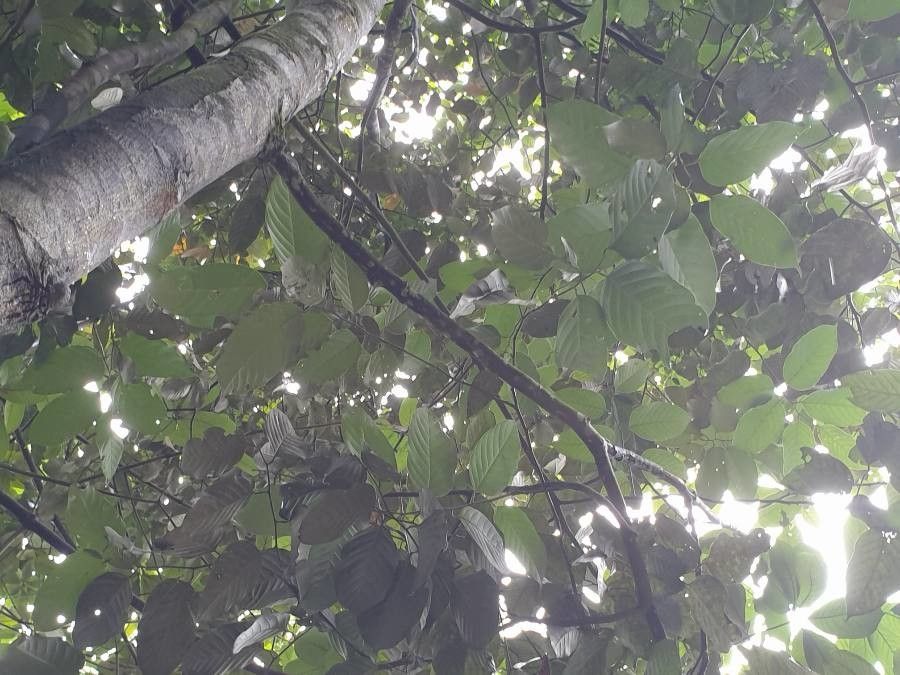
Propagating Shorea materialis: A Guide to Cultivating the Red Meranti
Introduction:
Shorea materialis, commonly known as Red Meranti, is a majestic Dipterocarp species prized for its robust timber and attractive foliage. This large tree, native to Southeast Asia, is increasingly sought after by horticulturists for its ornamental value and ecological significance. While its size precludes it from smaller gardens, its propagation is a challenging yet rewarding endeavor for dedicated plant enthusiasts. The unique aspects of propagating Red Meranti lie in its relatively slow growth rate and specific requirements for successful germination and establishment. Its popularity among dedicated arborists and conservationists stems from its role in forest ecosystems.
Seed Germination:
Seed germination is a viable method for Shorea materialis propagation, though it presents significant challenges. Red Meranti seeds require specific conditions to break dormancy and germinate successfully.
Challenges: The main difficulty lies in the recalcitrant nature of the seeds, meaning they have a short lifespan and are highly susceptible to desiccation. Seeds must be sown fresh, ideally within a few weeks after collection, to maximize germination success.
Practical Tips: Pre-sowing treatment is crucial. Soaking seeds in water for 24-48 hours before sowing can improve germination rates. Sowing should be done in well-drained, slightly acidic soil mix with good aeration. A warm and humid environment (25-30°C) is essential. Seeds should be sown at a shallow depth, covering them lightly with soil. Maintaining consistent moisture levels is critical; the growing media should be kept moist but not waterlogged.
Rewards: Successfully germinating Red Meranti seeds offers the reward of genetic diversity, a cornerstone of healthy populations in any propagation program. For conservation efforts, seed germination enables the propagation of large numbers.
Cuttings:
Currently, there are no known reliable methods for propagating Shorea materialis from cuttings. The woody nature of the plant and its tendency to readily produce callus tissue rather than roots present significant obstacles. Further research is needed to explore the potential for this method.
Division:
Division is not a feasible method for propagating Shorea materialis. As a large tree, division is impractical and would likely result in the death of the plant.
Tissue Culture:
Tissue culture presents a promising, albeit complex, avenue for propagating Shorea materialis.
Challenges: Establishing a sterile culture and finding the optimal nutrient media and growth regulators for shoot multiplication and rooting are significant hurdles in tissue culture propagation. This method requires specialized equipment and considerable expertise.
Practical Tips: Successful protocols would need to address the optimal explant source (e.g. nodal segments, shoot tips), sterilization techniques, and media composition including auxins and cytokinins for shoot proliferation and rooting.
Rewards: Tissue culture offers the potential for rapid multiplication of superior clones and the production of large numbers of genetically uniform plants, crucial for conservation programs and reforestation projects.
Conclusion:
Propagating Shorea materialis presents several challenges, with seed germination offering the most accessible (though still demanding) method currently available. Cuttings and division are not viable options. Tissue culture holds promise for large-scale propagation but requires significant investment in expertise and resources. The rewards, however, are substantial: contributing to the conservation of this valuable species and enjoying the unique satisfaction of cultivating a majestic tree that will stand as a testament to perseverance and horticultural skill. For aspiring propagators, patience, attention to detail, and a willingness to learn from both successes and failures are essential ingredients for success. The successful cultivation of this species offers a unique sense of accomplishment, a reward that far outweighs the difficulties encountered. Don’t be discouraged by the challenges; the beauty and importance of Shorea materialis make it a worthy subject of horticultural endeavor.