
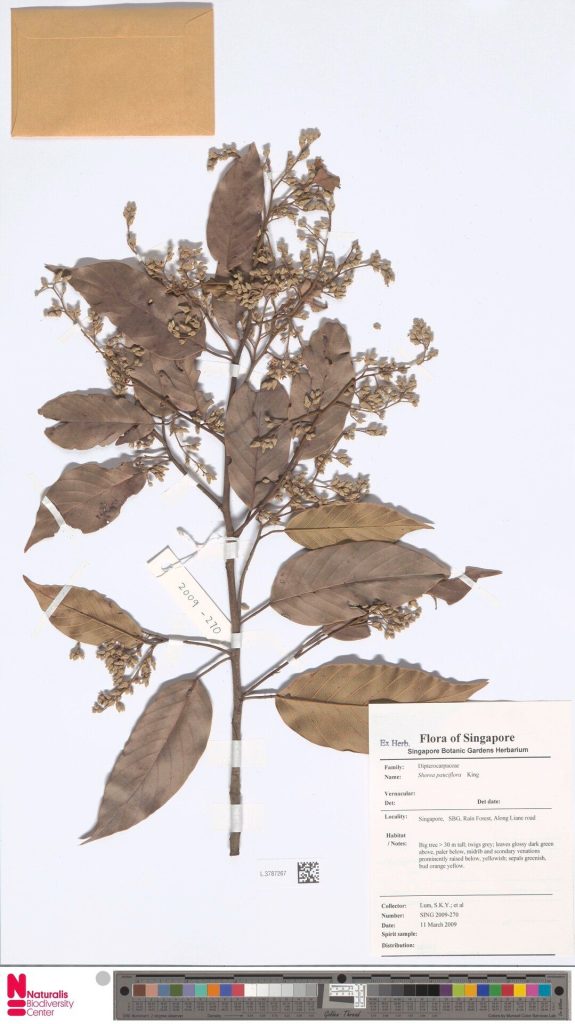
Propagating Shorea pauciflora: A Challenge Worth Embracing
Shorea pauciflora, also known as the Light Red Meranti, is a majestic tree species prized for its beautiful reddish-brown timber and its role in diverse ecosystems. Its popularity among horticulturists, however, is tempered by the challenges associated with its propagation. While not commonly found in home gardens due to its large size, cultivating this species offers a unique sense of accomplishment for those willing to tackle the complexities involved. This article explores various propagation methods for Shorea pauciflora, weighing their viability and effectiveness.
Seed Germination:
Currently, there are no known reliable methods for seed germination propagation of Shorea pauciflora. While seeds may be produced, their viability is exceptionally low, and germination rates are notoriously poor under various conditions. Extensive research is needed to identify suitable pre-treatment techniques or specific environmental factors that might improve germination success. This lack of success is likely due to factors such as dormancy mechanisms, specific fungal interactions, or the need for precise mycorrhizal partnerships for successful seedling establishment.
Cuttings:
Cuttings propagation also presents significant difficulties for Shorea pauciflora. The hardiness of the wood and its inherent reluctance to root from cuttings make this method largely unsuccessful. While some experimentation with different hormone treatments and rooting media might be attempted, the likelihood of achieving a high success rate is extremely low. Challenges include the prevention of fungal infections and the provision of adequate humidity and temperature control for the delicate cuttings.
Division:
Division as a propagation method is entirely unsuitable for Shorea pauciflora. As its a large tree, division would be impossible without severely damaging or destroying the parent plant.
Tissue Culture:
Tissue culture offers the most promising avenue for propagating Shorea pauciflora, although it remains a complex and technically demanding process. Establishing sterile cultures and developing appropriate media formulations are critical steps. Specialized knowledge, laboratory equipment, and aseptic conditions are essential for success. While challenging, tissue culture offers the potential for large-scale propagation with significant genetic uniformity, allowing the preservation of desirable traits and potentially enabling the creation of disease-resistant cultivars. However, this method requires considerable investment in resources and expertise.
Conclusion:
Propagating Shorea pauciflora presents significant hurdles, with seed germination and cuttings proving unreliable methods. Tissue culture currently offers the best chance for successful propagation, but requires specialized skills and resources. The challenges involved make successful cultivation of this species a particularly rewarding experience. The dedication and persistence required highlight the unique satisfaction derived from nurturing and propagating such a magnificent tree. For aspiring propagators, focusing on tissue culture techniques, perhaps in collaboration with research institutions or experienced professionals, presents the most realistic route to success. Remember that patience and meticulous attention to detail are crucial to achieving positive results in any propagation attempt, especially with this challenging yet rewarding species.