
Unveiling the Secrets of Shortia Propagation: A Guide to Growing this Rare Woodland Beauty
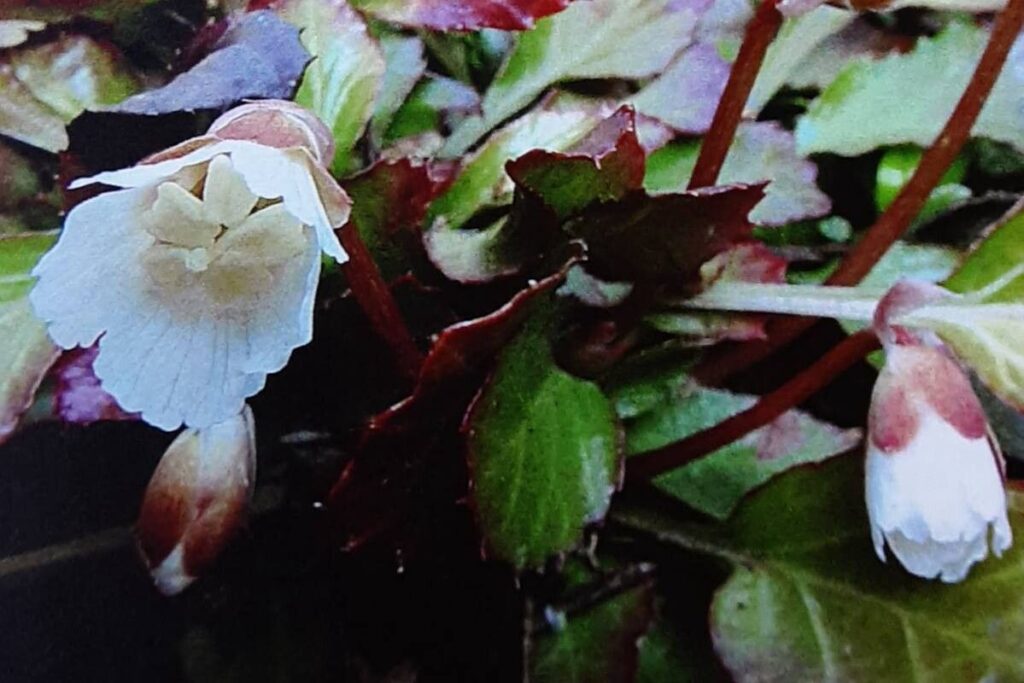
Shortia galacifolia, the elusive and enchanting Oconee Bells, captivates plant enthusiasts with its delicate white blooms and historical significance. Once believed extinct, this rare woodland wildflower can grace your garden with the right knowledge. While notoriously slow-growing, propagating Shortia is a rewarding endeavor for patient gardeners willing to replicate its preferred natural habitat. Let’s delve into the secrets of successfully propagating this botanical gem.
Division: The Tried-and-True Method
The most reliable method for propagating Shortia galacifolia is through division, preferably during early spring just before new growth emerges.
- Prepare the Plant: Carefully lift a mature Shortia clump from the ground using a garden fork, ensuring minimal disturbance to the roots.
- Divide with Care: Gently tease apart the clump into smaller sections, each containing healthy roots and shoots. A sharp, clean knife can be used for tougher sections, ensuring each division has ample root mass.
- Replanting: Prepare a shady spot with humus-rich, well-drained acidic soil. Replant the divisions at the same depth they were originally growing. Water thoroughly and apply a thin layer of leaf mulch to retain moisture and mimic its natural habitat.
Seed Propagation: A Test of Patience
While possible, propagating Shortia from seed demands immense patience and meticulous care. Success rates can be low and may take years to yield flowering plants. However, for the adventurous gardener, here’s how to attempt it:
- Seed Collection: Collect ripe seed capsules in late spring to early summer. Look for dry, brown capsules.
- Sow Immediately: Shortia seeds have a short viability period. Sow fresh seeds immediately in a seed tray filled with a moist, peaty seed-starting mix.
- Provide Optimal Conditions: Place the seed tray in a cool, shady location, maintaining consistent moisture. Germination can be erratic and may take several months or even years.
- Transplanting: Once seedlings are large enough to handle, gently transplant them into individual pots. Continue caring for them in a protected environment for at least a year before planting outdoors.
Essential Factors for Propagation Success
- Shady Haven: Shortia thrives in shaded woodlands. Replicate this environment by providing a location with dappled sunlight or morning sun and afternoon shade.
- Well-Drained Soil: Adequate drainage is crucial to prevent root rot. Amend heavy soils with organic matter like leaf mold, peat moss, or composted bark to improve drainage.
- Acidity Matters: Shortia prefers acidic soil with a pH between 4.5 and 6.0. Amend the soil with sulfur or aluminum sulfate if necessary.
- Moisture Retention: While demanding good drainage, Shortia needs consistent moisture. Mulch heavily with leaf litter to retain moisture and moderate soil temperature.
A Rewarding Challenge
Propagating Shortia galacifolia may require patience and dedication, but the reward of seeing this rare beauty flourish in your garden makes it a truly fulfilling endeavor. By understanding its specific needs and replicating its preferred environment, you can increase your chances of success and enjoy the exquisite charm of Oconee Bells for years to come.