
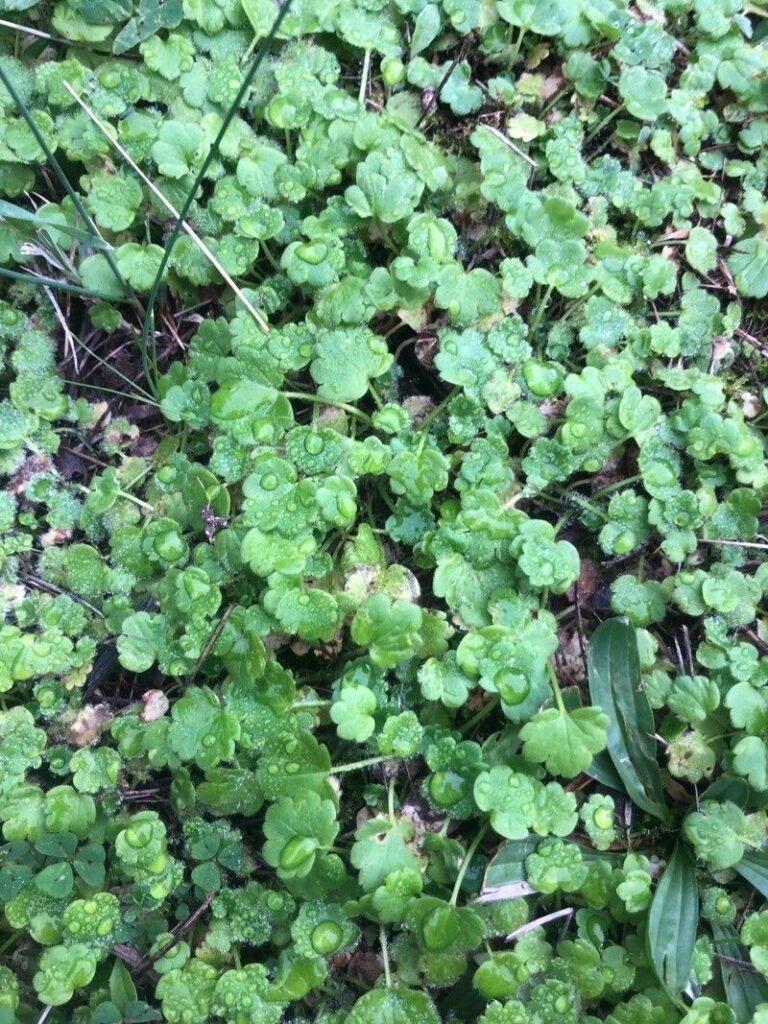
“The Secret to Spreading Happiness: Propagating the European Pennywort”
The European Pennywort, or Sibthorpia europaea, is a charming groundcover that can add a touch of vibrancy to any shady corner of your garden. Its miniature, coin-shaped leaves and delicate, creeping habit make it a favorite amongst gardeners seeking a low-maintenance, yet visually appealing addition. But did you know that this delightful plant is also incredibly easy to propagate?
By taking advantage of its natural tendency to spread, you can easily create new plants from cuttings, ensuring a plentiful supply of European Pennywort to fill all your shady spots. This article will guide you through the simple process of propagating Sibthorpia europaea and allow you to enjoy this lovely plant in all its glory.
The Art of Propagation
There are two primary methods for propagating Sibthorpia europaea: stem cuttings and division. Both methods are remarkably simple and yield high success rates, even for novice gardeners.
1. Stem Cuttings:
This method involves taking small portions of the plant’s stems and encouraging them to develop roots.
- Harvesting Cuttings: Select healthy, non-flowering stems with several nodes (the bumps where leaves grow). Use a sharp, clean knife or shears to cut the stems into 2-3 inch sections, ensuring each section has at least one node.
- Preparation: Remove any leaves from the bottom inch of each cutting. You can either dip the cut ends in rooting hormone to stimulate root growth or simply plant them directly.
- Planting: Fill small pots or trays with a well-draining potting mix. Gently make a hole in the soil for each cutting and insert the cut end. Water thoroughly and maintain the soil moist.
- Root Development: Place the cuttings in a bright, indirect light setting and keep them warm (around 70°F). Within a few weeks, you should see new roots emerging from the cuttings. Once they have established a strong root system, you can transplant them into your garden.
2. Division:
This method involves separating established plants into smaller divisions, each containing roots and foliage.
- Timing: The best time to divide Sibthorpia europaea is in spring or early summer.
- Preparation: Gently dig up the parent plant making sure to disturb the roots as little as possible.
- Division: Divide the plant into sections, ensuring each section contains a healthy root system and multiple shoots.
- Replanting: Plant the divisions in their new location, ensuring they are exposed to similar conditions as the parent plant.
The Journey Begins
Once your propagated Sibthorpia europaea plants have established themselves, they will thrive in moist, shady conditions. Their low-growing habit makes them ideal for filling gaps between larger plants, cascading over walls, or even gracing hanging baskets.
Tips for Success:
- Light: Sibthorpia europaea prefers shade to partial shade. Avoid planting in full sun as it can scorch the delicate leaves.
- Moisture: This plant requires moist soil, especially during its active growing season. Water regularly, but avoid overwatering, as waterlogged soil can lead to root rot.
- Fertilizer: A light application of balanced fertilizer in spring will promote healthy growth.
With a little care and attention, you will soon have a thriving patch of European Pennywort, adding charm and beauty to your garden for years to come. So, why not give it a try? Begin your journey to a vibrant and enchanting garden by embracing the simple art of propagation!