
Propagating Oregon Checkerbloom (Sidalcea oregana): A Gardener’s Guide
Introduction:
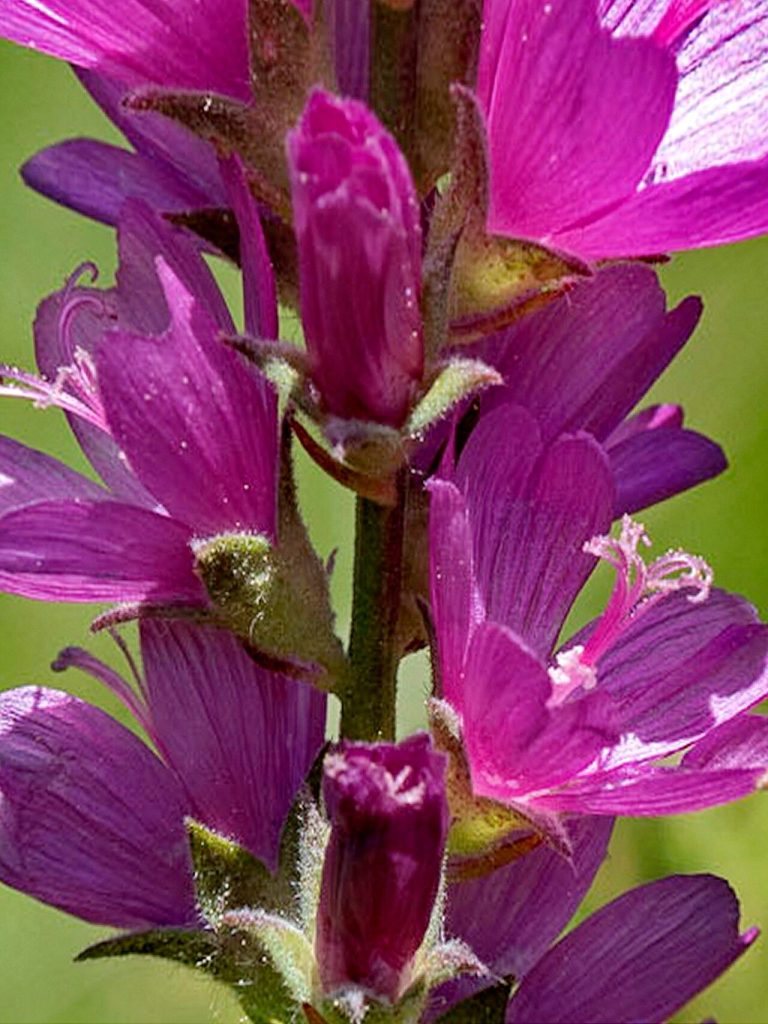
Sidalcea oregana, commonly known as Oregon Checkerbloom, is a charming perennial native to the western United States. Its delicate, saucer-shaped flowers in shades of pink, rose, and white grace gardens throughout the summer, attracting pollinators and adding a touch of native elegance. Its relatively low maintenance and drought tolerance have made it increasingly popular among gardeners seeking sustainable and beautiful landscaping options. However, propagation can present some unique challenges, making successful cultivation all the more rewarding.
Seed Germination:
Seed germination for Sidalcea oregana is possible, but it’s not consistently reliable. Germination rates can be low, and success often depends on mimicking the natural conditions experienced by the seed in its native habitat.
Challenges: Seeds may require a period of cold stratification (a period of cold, moist storage) to break dormancy. Freshly collected seeds generally have higher germination rates than older ones.
Tips: Sow seeds outdoors in autumn in a well-drained seedbed, allowing for natural stratification over winter. Alternatively, seeds can be stratified artificially by placing them in a damp medium (e.g., vermiculite or peat moss) in a sealed bag and refrigerating for 6-8 weeks before sowing in spring. Maintain consistently moist (but not soggy) conditions during germination.
Rewards: Seed propagation offers the potential for high genetic diversity, crucial for maintaining the health and resilience of populations. It’s a cost-effective method suitable for large-scale propagation.
Cuttings:
Propagation via cuttings is a more reliable method than seed germination for Sidalcea oregana.
Challenges: The success rate depends significantly on the timing and technique. Semi-hardwood cuttings taken in late spring or early summer tend to root more readily.
Tips: Take 4-6 inch cuttings from non-flowering stems, removing lower leaves to prevent rotting. Dip the cut ends in rooting hormone and plant them in a well-draining propagation mix kept moist but not waterlogged. A humidity dome or propagating tray can increase success rates. Use bottom heat to encourage rapid root development.
Rewards: Cuttings preserve the exact genetic characteristics of the parent plant, ensuring that desirable traits are maintained.
Division:
Division is a relatively easy and successful method for propagating established Sidalcea oregana plants.
Challenges: It’s only feasible for mature plants with well-developed root systems. Dividing too early or too aggressively can harm the plant.
Tips: Divide the plant in early spring or autumn, separating the crown into sections, each with its own roots and several shoots. Replant the divisions immediately, ensuring that they are spaced appropriately.
Rewards: Division is a fast and efficient method, resulting in quick establishment of new plants. It’s relatively low-risk compared to seed or cuttings.
Tissue Culture:
Currently, there are no widely published methods for tissue culture propagation of Sidalcea oregana. Further research is needed to determine the feasibility and optimize techniques for successful in vitro propagation.
Conclusion:
Propagating Sidalcea oregana, while presenting some challenges depending on the chosen method, is achievable with patience and attention to detail. Seed germination, while unpredictable, offers the reward of genetic diversity. Cuttings provide a reliable path to preserving desirable traits, and division offers a simple method for multiplying established plants. Mastering any of these techniques brings a unique sense of accomplishment, highlighting the rewarding connection between gardener and plant. The delicate beauty of the Oregon Checkerbloom, coupled with the satisfaction of its successful cultivation, makes the effort worthwhile for any enthusiastic gardener. Don’t be discouraged by initial setbacks – experiment, learn from each attempt, and enjoy the journey of bringing more of these lovely wildflowers into your garden.