
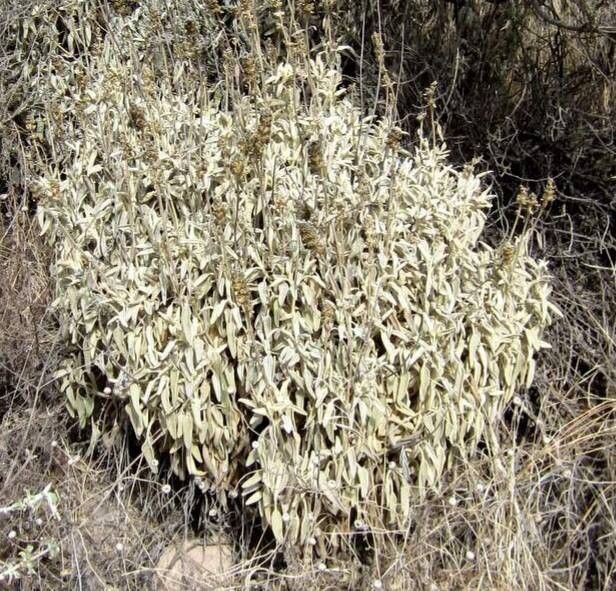
Propagating Canary Island Sage (Sideritis canariensis): A Gardener’s Guide
Introduction
Sideritis canariensis, commonly known as Canary Island Sage, is a captivating endemic plant of the Canary Islands, prized for its attractive foliage and unique, medicinal properties. Its silvery-green leaves and vibrant yellow flowers make it a desirable addition to rock gardens, Mediterranean-style landscapes, and herb collections. Its popularity among gardeners is growing, fueled by increasing interest in drought-tolerant, ecologically friendly plants. However, propagation presents unique challenges, varying across different methods. This article explores the various techniques for multiplying Sideritis canariensis, assessing their viability and effectiveness.
Seed Germination:
Currently, there are no known reliable methods for seed germination propagation of Sideritis canariensis. While seeds may be produced, their germination rate is exceptionally low, and successful germination has not been consistently replicated. Further research is needed to identify optimal conditions, potentially including specific stratification techniques or fungal inoculation that could improve germination success. The rewards of successful seed germination, however, would be considerable, offering opportunities for genetic diversity and large-scale propagation.
Cuttings:
Cuttings present a more viable option for propagating Sideritis canariensis.
Challenges: The success rate can be variable, dependent on the timing (best in spring or early summer utilizing semi-hardwood cuttings), the use of rooting hormone, and maintaining consistent humidity and temperature.
Practical Tips: Take 4-6 inch cuttings from non-flowering stems, removing lower leaves. Dip the cut ends in rooting hormone and plant them in a well-draining, moist propagation mix (e.g., a mix of perlite and peat moss). Cover the cuttings with a clear plastic bag or humidity dome to maintain high humidity. Place in a warm, bright location out of direct sunlight. Regular misting is crucial.
Rewards: Cuttings offer a relatively quick propagation method, maintaining the genetic characteristics of the parent plant.
Division:
Division is a viable method, particularly for established plants.
Challenges: Sideritis canariensis, like many other members of the Lamiaceae family, may not readily lend itself to division if the root system is strongly centralized. Damaging the roots can significantly hinder the survival rate of divisions.
Practical Tips: Division should be undertaken in spring or autumn when the plant is actively growing. Carefully dig up the plant, gently separating the root ball into smaller sections, each with its own root system and several stems. Replant the divisions immediately into well-draining soil, ensuring adequate watering in initial weeks after planting.
Rewards: Division is simple, with a relatively high success rate when performed correctly and offers a straightforward method for increasing plant numbers.
Tissue Culture:
Tissue culture is a potentially effective method, but requires specialized equipment and expertise.
Challenges: Establishing sterile culture conditions and optimizing the growth medium are crucial for successful propagation. The development of an effective protocol specific to Sideritis canariensis may necessitate significant research and experimentation.
Practical Tips: Specialists are recommended, this is not suitable for home propagation.
Rewards: Tissue culture offers the possibility for mass production of genetically homogenous plants, which is particularly important for preserving rare genotypes or producing plants for commercial purposes.
Conclusion:
Propagating Sideritis canariensis presents unique challenges across all the methods considered. While seed germination remains unreliable, cuttings and division offer more practical approaches for the home gardener. Tissue culture provides potential for large-scale propagation but demands specialized knowledge. The rewards are considerable, from enjoying the beauty of this unique plant in the garden to potentially contributing to its conservation through propagation and genetic preservation. The satisfaction gained from overcoming the challenges of cultivating this captivating plant is significant, reminding us of the dedication and patience required to nurture these special members of the plant kingdom. Don’t be discouraged by initial setbacks – perseverance is key to successful propagation of Canary Island Sage.