
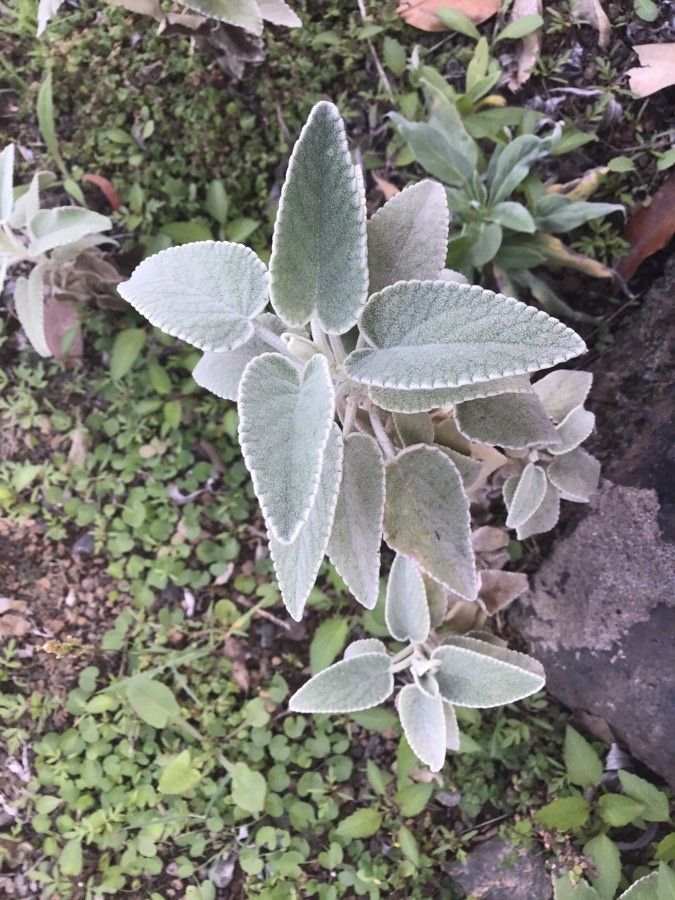
Unlocking the Secrets of Sideritis ferrensis: Propagation for a Thriving Herb Garden
Sideritis ferrensis, also known as Greek Mountain Tea, holds a special place in the hearts of herb enthusiasts. Its beautiful blooms and captivating aroma offer a unique sensory experience, but what truly makes this herb remarkable is its reputed health benefits. This Mediterranean marvel is believed to aid in digestion, reduce inflammation, and even boost immunity.
For those looking to cultivate their own patch of this incredible herb, propagation is the key. But don’t be intimidated! This guide will walk you step-by-step through the process, ensuring you can enjoy the fruits (or rather, leaves and flowers) of your gardening labor.
Two paths to propagation: Seeds and Cuttings
There are two primary methods for propagating Sideritis ferrensis:
- From Seed: This method allows you to start fresh with new genetic material, and it’s particularly ideal for growing a large number of plants. However, Sideritis ferrensis seeds can be slow to germinate.
- From Cuttings: This method offers a faster and more reliable route to growing new plants, as you’re essentially cloning an existing, healthy plant.
Starting from Seed
-
When to Sow: The optimal time to sow Sideritis ferrensis seeds is in the spring, as soon as the soil has warmed up. It’s worthwhile to start seeds indoors, as this provides a controlled environment for germination.
-
Preparing the Soil: Fill seed trays or pots with a well-draining potting mix. You can enhance drainage by adding a layer of grit or perlite to the mix.
-
Sowing the Seeds: Sow seeds thinly, covering them with a layer of potting mix no more than 1/4 inch deep. Water gently until the soil is uniformly moist.
-
Germination Process: Keep the seed trays or pots in a warm, brightly lit location but out of direct sunlight. Expect germination to take several weeks – patience is key!
- Transplanting: Once the seedlings have developed a few true leaves, you can transplant them into individual containers or directly into your garden bed.
Propagating from Cuttings
-
Choose Your Cuttings: Select healthy stems from a mature Sideritis ferrensis plant. Aim for softwood cuttings, meaning new growth that’s still pliable.
-
Prepare the Cuttings: Cut the stems with a sharp knife or scissors just below a node (where leaves grow). Remove any leaves from the bottom 2 inches of the stem.
-
Root Hormone (Optional): Dip the cuttings in rooting hormone to encourage root development.
-
Planting the Cuttings: Insert the cuttings into pots filled with a moist, well-draining rooting mix. Make sure to leave a good 1-2 inches of space above the soil surface.
-
Create a Controlled Environment: Cover the cuttings with a clear plastic dome or bag to create a humid environment that will aid in root development.
- Patience is Key: Place the cuttings in a bright but indirect light spot and maintain consistent moisture levels. It can take 4-6 weeks for roots to form. Once the cuttings show significant growth, they are ready to be transplanted outdoors.
Enjoying Your Sideritis ferrensis
With a little patience and the right approach, you can successfully propagate Sideritis ferrensis and enjoy the unique benefits of this powerful herb. Whether you decide to start from seed or cuttings, remember to choose a well-draining soil mix and provide adequate light and moisture.
Happy gardening and savor the bounty of your Sideritis ferrensis!