
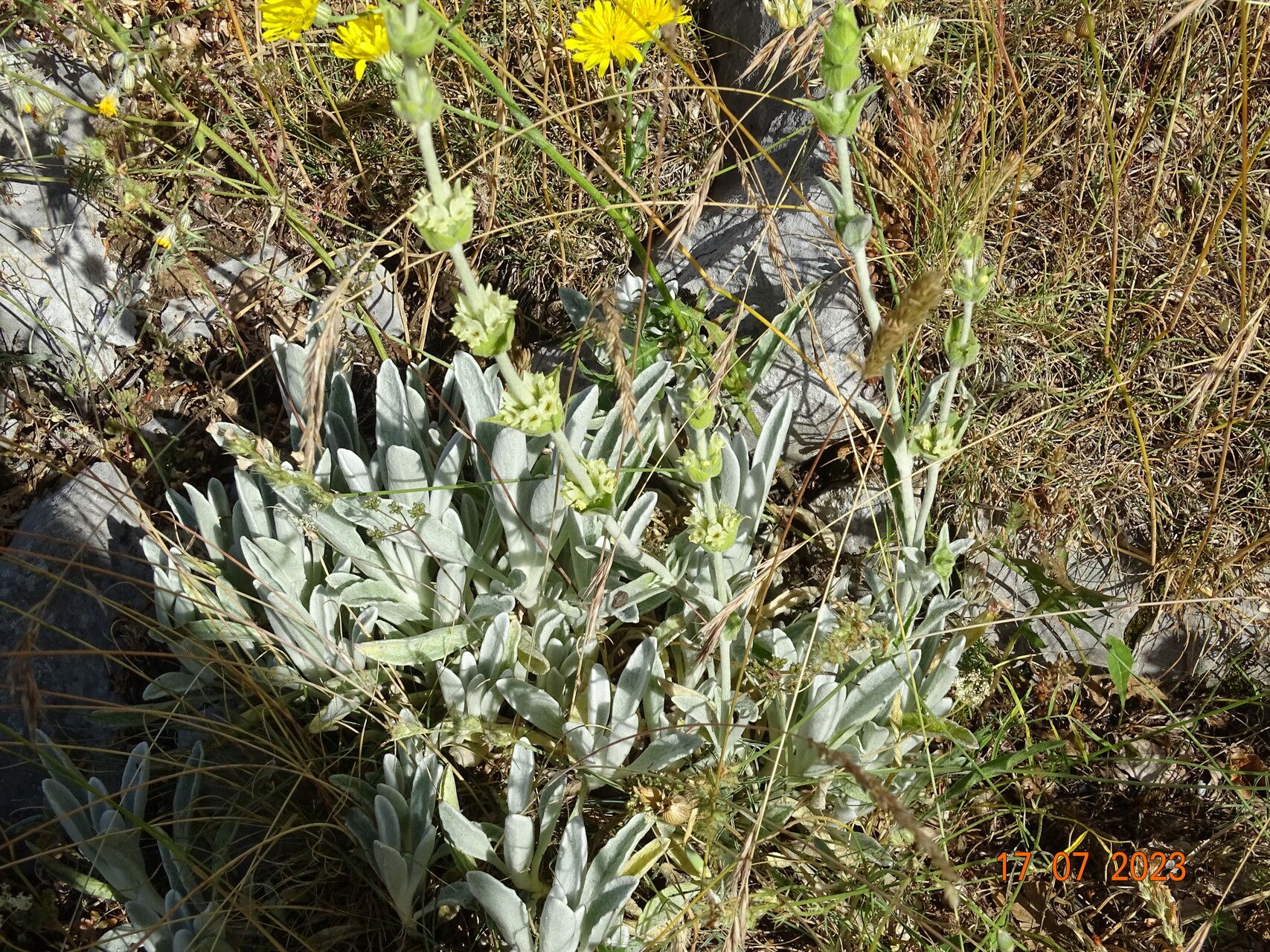
Unlocking the Secrets of Italian Mountain Tea: A Propagation Guide for Sideritis Italica
Sideritis Italica, also known as Italian Mountain Tea, is more than just a pretty name. This aromatic herb, native to the Mediterranean, boasts beautiful silver-green foliage and vibrant yellow flowers, making it a welcome addition to any garden. But beyond its visual appeal, Sideritis Italica is treasured for its medicinal properties, often enjoyed as a soothing herbal tea with potential anti-inflammatory and antioxidant benefits.
Ready to welcome this ancient herb into your own space? Let’s explore the fascinating world of Sideritis Italica propagation and unlock the secrets to successfully growing your own:
1. Seeds: Starting Your Journey from Scratch
Propagating Sideritis Italica from seed can be incredibly rewarding, offering a front-row seat to the plant’s entire life cycle. Here’s how:
- Timing is Key: Start your seeds indoors 6-8 weeks before the last expected frost.
- Soil Savvy: Opt for a well-draining seed starting mix to prevent waterlogging.
- Sowing the Seeds: Scatter the seeds on the soil surface and press them in gently without burying them completely.
- Light and Warmth: Place the seed tray in a bright location, avoiding direct sunlight. Aim for a consistent temperature of around 70°F (21°C).
- Patience is a Virtue: Germination can take anywhere from 2-4 weeks. Be patient and keep the soil consistently moist but not soggy.
- Transplanting Time: Once the seedlings develop a couple of true leaves, they’re strong enough to be transplanted into individual pots or directly into your garden after the risk of frost has passed.
2. Cuttings: The Fast Track to Growth
For a speedier method, propagating Sideritis Italica from cuttings is a reliable option.
- Choose Wisely: Select healthy, non-flowering stems from an established plant in late spring or early summer.
- Cut it Right: Using clean, sharp shears, take cuttings around 4-6 inches long, making a cut just below a leaf node.
- Prepare the Cutting: Remove the lower leaves from the cutting, leaving just a few at the top.
- Hormone Boost (Optional): Dip the cut end in rooting hormone to encourage faster root development.
- Planting Medium: Insert the cuttings into a pot filled with a well-draining potting mix.
- Creating a Humid Environment: Cover the pot with a plastic bag or use a propagation dome to maintain humidity and promote root growth.
- Rooting Success: After 4-6 weeks, gently tug on the cuttings to check for resistance, which indicates successful rooting.
3. Division: Multiply Your Bounty
If you have an existing Sideritis Italica plant, division is another fantastic propagation method.
- Digging In: Carefully lift the entire plant from its pot or the ground in early spring or fall.
- Separation Anxiety: Using clean hands or pruning shears, divide the plant into smaller sections, ensuring each section has a good root system.
- Replanting: Repot the divisions into individual pots or suitable locations in your garden, ensuring adequate spacing.
Caring for Your New Sideritis Italica:
No matter which propagation method you choose, these tips will help your new plants thrive:
- Well-Drained Soil: Ensure the soil is loose and well-drained to prevent root rot.
- Sun Seeker: Provide your Sideritis Italica with at least 6 hours of sunlight daily.
- Water Wisely: Water deeply but infrequently, allowing the soil to dry out slightly between waterings.
- Pruning Power: Regular pruning, especially after flowering, will encourage bushier growth and prevent the plant from becoming leggy.
Propagating your own Sideritis Italica is a rewarding experience that connects you with the ancient practice of herbalism. So, why not embark on this botanical journey and enjoy the beauty and benefits of this remarkable herb in your own home or garden?