
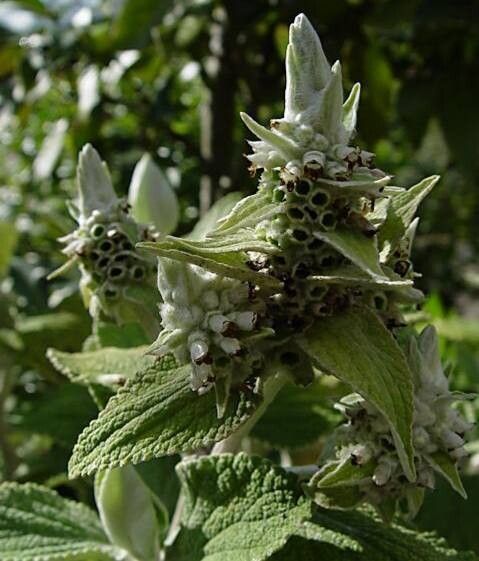
Unlocking the Secrets of Propagation: How to Grow More Sideritis macrostachyos
Sideritis macrostachyos, a lesser-known gem in the world of herbs, boasts stunning silvery foliage and charming yellow flowers. But beyond its beauty, this Mediterranean native offers a wealth of medicinal benefits traditionally used to soothe ailments from colds to digestive issues.
Intrigued? Ready to invite this ancient healer into your own garden? Let’s delve into the art of propagating Sideritis macrostachyos, empowering you to cultivate an abundant supply of this remarkable herb.
Two Paths to Propagation
Sideritis macrostachyos can be propagated through two primary methods:
- Seed Sowing: Embark on a journey from tiny seed to flourishing plant.
- Cuttings: Replicate the parent plant’s success for faster results.
Method 1: Sowing Seeds – A Test of Patience
While potentially rewarding, propagating Sideritis macrostachyos from seed requires patience and a gentle touch. Here’s how:
- Timing is Key: Sow seeds in early spring, providing ample time for growth before the first frost.
- Prepare the Seedbed: Utilize a well-draining seed starting mix and moisten it thoroughly.
- Sow with Care: Sprinkle seeds sparsely over the surface, barely pressing them into the soil.
- Light and Warmth: Place the seed tray in a bright location, but out of direct sunlight. Maintaining a temperature of around 65-75°F (18-24°C) is ideal.
- Patience is a Virtue: Germination can be slow, taking anywhere from 2 to 4 weeks.
- Transplanting Time: Once seedlings develop a few true leaves, transplant them into individual pots or directly into your garden, ensuring adequate spacing.
Method 2: Cuttings – Quicker and More Reliable
For faster and typically more successful propagation, opt for taking cuttings:
- Choosing the Right Time: The ideal time for taking cuttings is in late spring or early summer when the plant is actively growing.
- Select Healthy Stems: Choose non-flowering stems that are about 4-6 inches long.
- Prepare the Cuttings: Using a sharp, sterilized knife or pruning shears, make a clean cut just below a leaf node. Remove the lower leaves, leaving only a few at the top.
- Encourage Rooting: Dip the cut end in rooting hormone (optional but beneficial) and plant it in a well-draining potting mix.
- Provide a Humid Environment: Cover the pot with a plastic bag or use a humidity dome to create a greenhouse-like environment.
- Wait for Roots: After 4-6 weeks, gently tug on the cutting. Resistance indicates successful root development.
Tips for Success
- Well-Draining Soil: Sideritis macrostachyos thrives in well-drained soil. Avoid overwatering, as it can lead to root rot.
- Sun-Kissed Location: Choose a sunny spot in your garden or provide ample sunlight indoors.
- Pruning for Abundance: Regular pruning encourages bushier growth and a more abundant harvest of leaves and flowers.
Reap the Rewards
Whether you choose seed sowing or cuttings, successfully propagating Sideritis macrostachyos offers a fulfilling experience. Imagine sipping a warm cup of tea, the steam carrying the soothing aroma of your very own homegrown herb, a testament to your dedication and the wonders of plant propagation.