
Propagating Sideritis montana: A Gardener’s Guide to the Mountain Tea
Introduction:
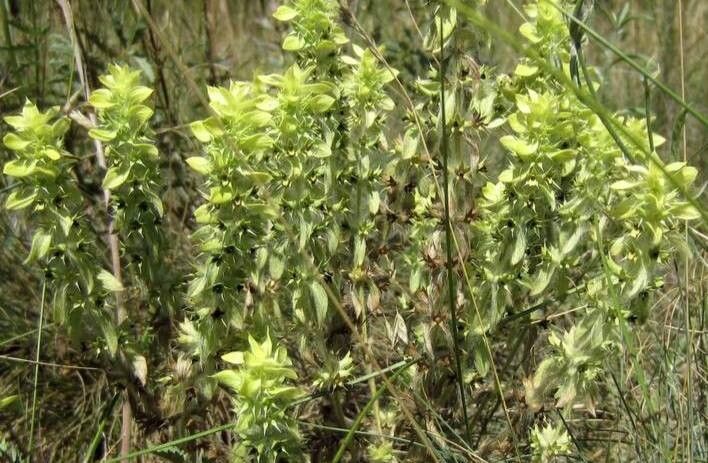
Sideritis montana, commonly known as Ironwort or Mountain Tea, is a captivating herbaceous perennial prized for its attractive foliage and medicinal properties. Its fuzzy, grey-green leaves and vibrant yellow flowers make it a desirable addition to rock gardens, alpine beds, and containers. While its beauty is undeniable, its propagation presents unique challenges. This article explores various methods, weighing their effectiveness and providing practical advice to gardeners eager to cultivate this intriguing plant. The relatively low success rates associated with some propagation methods increase the satisfaction of successfully adding Sideritis montana to your garden.
Seed Germination:
Currently, there are no known reliable methods for seed germination propagation of Sideritis montana. While seeds may be produced, germination rates are extremely low, often hampered by dormancy mechanisms poorly understood. Further research is needed to determine optimal germination conditions.
Cuttings:
Challenges: Sideritis montana cuttings can be challenging to root. The success rate is moderate to low, dependent on factors such as timing, hormone use, and environmental conditions.
Practical Tips: Softwood cuttings taken in spring or early summer, during active growth, generally yield better results. Use a rooting hormone powder to stimulate root development. Plant the cuttings in a well-draining, moist propagation mix (e.g., a peat and perlite blend). Maintain high humidity using a cloche or propagator to prevent desiccation. A bottom heat mat can also improve success rates.
Rewards: Successful propagation from cuttings allows for the preservation of desirable maternal traits, maintaining the specific characteristics of a prized plant. It’s also quicker and easier than other methods, providing plants more rapidly.
Division:
Challenges: Division is a relatively straightforward method, but it is limited by the mature size and the availability of established plants large enough to be divided. Damaging the root system during division can significantly impact plant survival, making careful execution crucial.
Practical Tips: Division is best done in spring or autumn when the plant is actively growing (spring preferred). Carefully dig the plant, separating it into smaller clumps each containing sufficient roots and shoots. Replant immediately in well-prepared soil, ensuring adequate watering.
Rewards: Division offers a quick method for increasing the number of plants and ensures the preservation of the parent plant’s genetic characteristics.
Tissue Culture:
Challenges: Tissue culture requires specialized equipment, laboratory skills, and a sterile environment, making it inaccessible to most home gardeners. Even for professionals, optimizing the culture medium for Sideritis montana may require considerable experimentation.
Practical Tips: Establishing a sterile work environment is paramount. Select appropriate nutrient media and plant growth regulators (PGAs). Regular subculturing and monitoring for contamination are essential.
Rewards: Tissue culture offers the potential for mass propagation, creating large numbers of genetically identical plants efficiently. It allows for the rapid multiplication of rare or desirable cultivars.
Conclusion:
Propagating Sideritis montana presents challenges across all methods. Seed germination, while possible from a theoretical standpoint, currently lacks reliably reproducible techniques. Cuttings offer a viable, albeit not consistently high yielding, method for home gardeners. Division is effective, but limited by plant availability. Tissue culture, though ideal for large-scale propagation, is beyond the reach of most amateurs. However, the unique beauty and medicinal value of Sideritis montana make the extra effort worthwhile. The satisfaction of witnessing a successfully rooted cutting, a thriving division, or even a surprisingly germinated seed, brings an unparalleled sense of accomplishment to the gardener. Armed with this knowledge and ample patience, the aspiring propagator can embark on their journey to cultivate these captivating mountain teas, savoring the reward of a unique and fulfilling gardening project. Remember, consistent observation, meticulous care, and a dash of horticultural resilience are essential to success.