
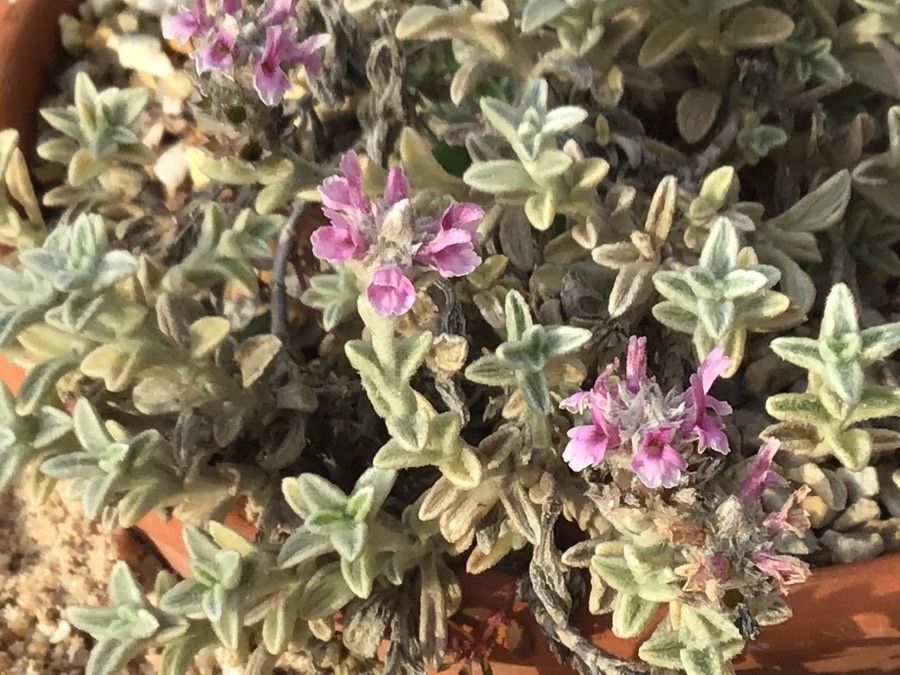
Unlocking the Secrets of Mountain Tea: Propagating Sideritis Stachydioides
Sideritis stachydioides, affectionately known as “mountain tea” or “Greek mountain tea,” is more than just a delicious and healthy beverage. This attractive, silvery-leaved plant, native to the rocky, mountainous regions of the Mediterranean, is relatively easy to grow and propagate, allowing anyone to enjoy its beauty and benefits.
Two Roads to Mountain Tea: Seed vs. Cuttings
While starting plants from seed might be the first thing that comes to mind, Sideritis stachydioides can be propagated in two ways:
-
Seeds:
- Pros: Starting from seed is a rewarding experience and often the most accessible method for sourcing this unique plant.
- Cons: Seeds can be slow to germinate and require a bit more patience, taking longer to reach maturity and produce those coveted leaves.
-
Cuttings:
- Pros: Cuttings offer a faster route to established plants, inheriting the characteristics of the parent plant and generally blooming sooner.
- Cons: Finding viable cuttings may prove more challenging and usually necessitates a pre-existing plant.
Sowing the Seeds of Success
- Timing is Key: Begin sowing seeds indoors 6-8 weeks before the last expected frost.
- Well-Draining Soil: Choose a seed starting mix that drains well to prevent damping-off, a fungal disease that affects seedlings.
- Light and Warmth: Place your seed tray in a bright location, but out of direct sunlight. Aim for a consistent temperature of around 21°C (70°F).
- Patience, Young Padawan: Germination can take anywhere from 10 days to several weeks. Keep the soil consistently moist (not soggy) during this time.
- Transplanting Time: Once seedlings develop two sets of true leaves, harden them off gradually by slowly introducing them to outdoor conditions. Transplant them into larger pots or your garden once the danger of frost has passed.
Cutting to the Chase with Propagation
- The Right Cut: In the spring or early summer, take cuttings approximately 10-15 cm (4-6 inches) long from healthy, non-flowering stems.
- Prepare the Cuttings: Remove the lower leaves, leaving only a few at the top. Dip the cut end in rooting hormone to encourage root development.
- Potting Up: Plant the cuttings in small pots filled with a well-draining potting mix.
- Creating a Humid Environment: Cover the pots with a clear plastic bag or use a propagation dome to maintain high humidity, which promotes rooting.
- Rooting Success: After a few weeks, gently tug on the cuttings. If you feel resistance, congratulations – roots have formed!
- Transplanting: Once the cuttings show vigorous growth, they can be transplanted into larger pots or the garden.
Nurturing Your Mountain Tea
Regardless of your chosen method, Sideritis stachydioides thrives in well-drained soil and a sunny location. Water regularly but allow the soil to dry out slightly between waterings. This hardy plant enjoys the heat and is surprisingly drought-tolerant once established.
Enjoy the Fruits (or Leaves!) of Your Labor
With a bit of patience and care, your propagation efforts will be rewarded. Soon you’ll be harvesting fragrant leaves to brew your own soothing and flavorful cups of mountain tea, a testament to your successful foray into the world of propagating Sideritis stachydioides!