
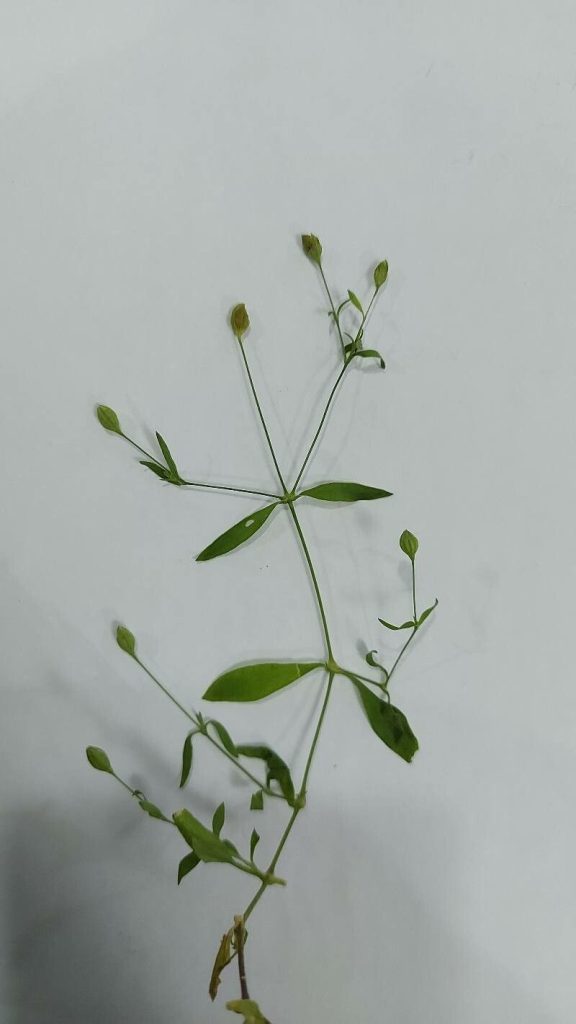
Propagating Silene antirrhina: The Sweet Success of Catchfly
Silene antirrhina, commonly known as Sleepy Catchfly, is a charming annual wildflower prized for its delicate, white, or pale pink flowers and its ability to self-seed readily. Its elegant, slender stems and airy blooms make it a popular choice for rock gardens, wildflower meadows, and even containers. While its self-seeding nature contributes to its popularity, gardeners often seek more control over propagation to ensure a plentiful display year after year. The unique challenge with Sleepy Catchfly lies in its seemingly unpredictable propagation behaviour, making success a rewarding endeavor.
Seed Germination:
Seed germination is a viable method for propagating Silene antirrhina, although it can be somewhat unpredictable. The main challenge lies in ensuring sufficient germination rates. Sleepy Catchfly seeds often benefit from a period of cold stratification. This mimics the natural conditions they experience over winter.
Practical Tips:
- Stratification: Mix the seeds with slightly moist vermiculite or perlite and store them in a sealed bag in the refrigerator for 4-6 weeks. This cold treatment breaks dormancy in many seeds.
- Sowing: Sow seeds thinly onto a well-drained seed-starting mix. Lightly cover with a fine layer of the mix. Maintain consistent moisture but avoid overwatering, which can lead to damping off.
- Conditions: Keep the seed tray in a bright, cool location (around 65-70°F or 18-21°C). Germination can take anywhere from 2 to 6 weeks.
Rewards: Successful seed germination offers high genetic diversity among the resulting seedlings, potentially leading to a wider range of flower colors and plant characteristics. It also allows for large-scale propagation, if desired.
Cuttings:
Currently, there are no known reliable methods for propagating Silene antirrhina from cuttings. The plant’s physiology does not seem to support successful rooting from stem or leaf cuttings.
Division:
Division is not a practical method for propagating Silene antirrhina. As an annual plant, it doesn’t develop the robust root systems necessary for successful division.
Tissue Culture:
Tissue culture propagation has not been widely explored or documented for Silene antirrhina. While theoretically possible, it requires specialized equipment and expertise and is not a readily accessible method for the average gardener.
Conclusion:
Propagating Silene antirrhina presents a unique set of challenges. While seed germination offers the most feasible method, achieving high germination rates requires attention to stratification and careful management of moisture levels. The lack of reliable methods for propagation through cuttings or division emphasizes the importance of seed propagation. The potential rewards, however, are significant: a vibrant display of these delicate wildflowers in your garden. The unique satisfaction derived from successfully nurturing these tiny seeds into a flourishing patch of Sleepy Catchfly far outweighs the initial hurdles. To aspiring propagators, I encourage you to embrace the challenge. Start with fresh seeds, follow the stratification guidelines diligently, and enjoy the journey of bringing these charming annuals to life. Embrace the unpredictability, celebrate the successes, and learn from any setbacks – that’s the essence of gardening!